

The Rise of Regenerative Tourism: Beyond Sustainability
“Traveling to heal”, an idea comes back to me every time I reflect on how tourism is slowly returning to its deepest purpose: to connect, to care, and to transform. I don’t travel just to see new places; I travel to understand them, to leave something meaningful behind, and sometimes to find a part of myself that only emerges when I’m far from home.
For a long time, sustainability was the ceiling of the industry. Reducing plastic, respecting the environment, promoting responsible practices — that was enough. But the world has changed. We now face a planet under stress, marked by climate crises, biodiversity loss, and widening social gaps. In this reality, the goal can no longer be “to do no harm.” We have the responsibility —and also the opportunity— to heal.
This is why regenerative tourism resonates with me so deeply. It goes beyond sustainability and invites us to give back more than we take. It’s not theory or trend; it’s a different way of moving through the world, one that seeks to restore ecosystems, strengthen communities, and preserve cultural identity. It turns the traveler into something more than a spectator — into an ally.
What fascinates me about this movement is its holistic vision. Regeneration is not about reducing impact; it is about creating net positive change. A restored forest, a revived tradition, a community empowered — these are accomplishments as valuable as any green-certified hotel. According to the Global Destination Sustainability Movement, regenerative tourism is growing at double-digit rates, becoming a priority for destinations that want to remain relevant. More than a trend, it is a necessity. Those who fail to evolve will eventually fall behind in an industry where travelers actively seek purpose.
I’ve witnessed examples around the world that confirm this shift is already underway. In Slovenia, small villages have turned tourism programs into reforestation projects, beekeeping workshops, and the recovery of historic trails. In Spain, initiatives around Doñana blend scientific tourism with environmental volunteering to restore fragile wetlands. Meanwhile, in Iceland, local authorities and tourism companies collaborate to regenerate volcanic moss and soil damaged by years of heavy visitation.
Other destinations are embracing this philosophy in equally inspiring ways. Costa Rica integrates travelers into conservation efforts in its rainforests. Chile promotes ecological restoration through programs that include visitors in hands-on recovery activities. In Mexico, mangrove reforestation projects give travelers, communities, and nature a shared benefit. And in New Zealand, the Māori principle of kaitiakitanga —caring for the land and leaving it better for future generations— has become central to the country’s tourism strategy.
These examples show that regenerative tourism is not an idealistic dream — it is a viable model creating real economic, social, and environmental value. The World Economic Forum estimates that, if implemented at scale, regenerative practices could generate more than $200 billion annually in social and environmental benefits by 2030. Beyond economic growth, it builds ecological resilience and cultural strength — two things the world urgently needs.
Personally, traveling with this mindset has changed the way I see the world. I value experiences that allow me to contribute, even in small ways: planting a tree, supporting a local artisan, respecting a fragile ecosystem, or simply listening to the stories of those who breathe life into a place. I’ve realized that the most memorable trips are not the most extravagant ones, but the ones that leave a positive imprint.
Regenerative tourism invites us to look beyond sustainability and to embrace a more active role in restoring the places we explore. In this new paradigm, traveling can also be a way of healing — the landscapes, the communities, and, if we’re fortunate, ourselves.
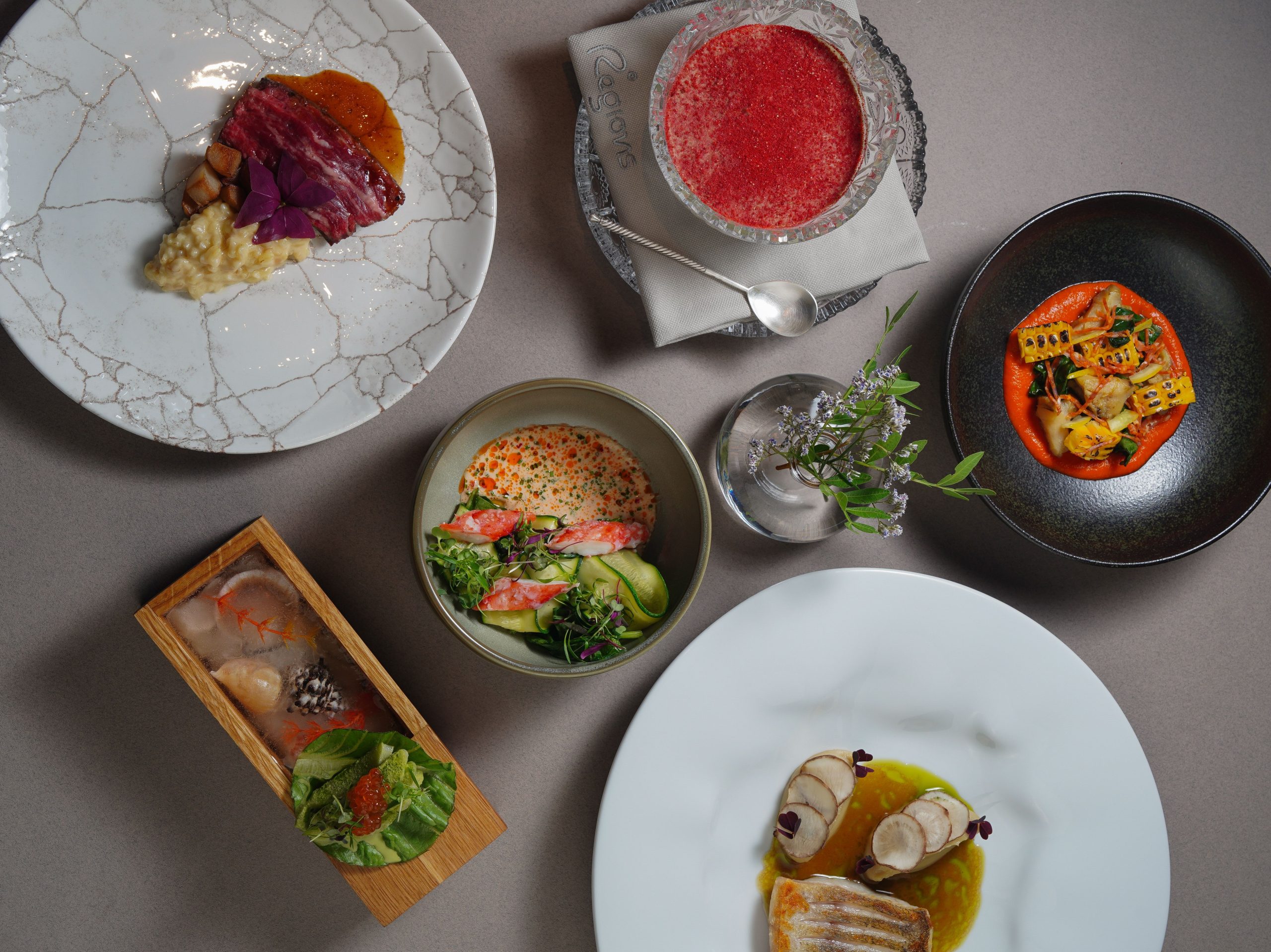
The cost of a Michelin star: The lights and shadows of a Michelin star
In gastronomy, a Michelin star is the pinnacle of prestige: it validates culinary artistry, attracts the global spotlight, and fills up waiting lists. However, behind the glamour lies a financial paradox, as obtaining and retaining this award completely alters a restaurant's economics and puts severe pressure on its cash flow. At first glance, greater media attention should mean higher revenues, but in fine dining, increased sales rarely translate into net margins. To keep the star, establishments must elevate their standards to obsessive levels, which often inflates operating costs. The first challenge is staff. We are talking about specialized sommeliers, highly technical chefs de partie, and a much higher chef-to-table ratio than usual. Attracting and retaining this talent requires significant investment, which shrinks profit margins. Added to this is quality control. Inspectors anonymously evaluate consistency and technique. To meet this rigor, restaurants must use premium ingredients, minimize waste, and constantly upgrade equipment and tableware. Because of this, several chefs have questioned or even returned their awards. Menu price increases rarely offset the surge in fixed costs. Some restaurants suffer operating losses after being awarded, trapped in luxury expectations that choke profitability. The star is a magnet for attracting customers, but it is not an

Why operational efficiency is the new luxury in hospitality
Over time, I have come to understand that true luxury in hospitality lies in the efficiency of the processes that exceed guest expectations. We have been trained to admire the surface: the lobby's marble, the infinity pool, or the designer furniture. However, in today's hotel business, this fixation on the facade is beginning to show its cracks. A resort can be a visual masterpiece, but if the service stumbles during delivery, if wait times fracture the experience, or if internal logistics are a silent chaos, the aesthetics become an empty promise. Today, the real profitability of premium projects is shifting toward the robustness of their digital infrastructure. Investing in automation and streamlining logistics is the most viable option to secure long-term financial sustainability and guest loyalty. The true differentiator is no longer just the decor; it is the commitment to automating and personalizing services for every single guest. Traditionally, tourism has suffered from an overemphasis on architecture and interior design. It is often assumed that the initial visual impact is enough to justify high rates. But the luxury guest in 2026 is more demanding and less prone to forgiving operational failures. A beautifully designed lobby is useless if the check-in process takes

How artificial intelligence is redefining human experiences
Everyone is talking about the $15.7 trillion that artificial intelligence will pump into the global economy by 2030. It is an impressive number, but I think most people are looking in the wrong place. The true success of technology is not about being noticed; it is quite the opposite. It is about being so fluid that it disappears. The most valuable AI is the one you do not see—the one working in the background to personalize a service or anticipate exactly what you need. There is a huge myth that machines are here to replace people. A Harvard Business Review study of 1,500 corporations completely debunked that idea. It proved that the real jump in performance happens when the algorithm and human intuition team up. The math is simple. If you leave repetitive processes and data to the machine, you wipe out daily operational friction. That frees up your team to focus on what a screen will never replicate: high-level strategy, empathy, and creativity. Striking this balance is the only way to connect with a market that is fundamentally split. On one side, Baby Boomers and Generation X use technology out of pure pragmatism to boost productivity. On the other, Centennials demand