

The Rise of Regenerative Tourism: Beyond Sustainability
“Traveling to heal”, an idea comes back to me every time I reflect on how tourism is slowly returning to its deepest purpose: to connect, to care, and to transform. I don’t travel just to see new places; I travel to understand them, to leave something meaningful behind, and sometimes to find a part of myself that only emerges when I’m far from home. For a long time, sustainability was the ceiling of the industry. Reducing plastic, respecting the environment, promoting responsible practices — that was enough. But the world has changed. We now face a planet under stress, marked by climate crises, biodiversity loss, and widening social gaps. In this reality, the goal can no longer be “to do no harm.” We have the responsibility —and also the opportunity— to heal. This is why regenerative tourism resonates with me so deeply. It goes beyond sustainability and invites us to give back more than we take. It’s not theory or trend; it’s a different way of moving through the world, one that seeks to restore ecosystems, strengthen communities, and preserve cultural identity. It turns the traveler into something more than a spectator — into an ally. What fascinates me about this movement is

Off-the-Radar Cities Becoming the New Protagonists
When we think of tourism, we often picture major capitals and iconic destinations. Yet, as a curious traveler and trend observer, I find it fascinating to see how many so-called “secondary” cities — places that aren’t the main focus of their countries — are starting to take center stage. These destinations remind us that tourism not only drives local economies, but also changes how we live, connect, and experience authentic cultures. In recent years, two key forces have fueled this phenomenon: overtourism — the saturation of destinations such as Rome, Florence, or Venice — and the rise of slow travel. More and more travelers seek to avoid crowds and discover genuine, affordable experiences. This shift has led to new favorites such as Bologna, Perugia, and Catania in Italy; Porto (Portugal), Quebec (Canada), Kyoto (Japan), and Quito (Ecuador); or even U.S. cities like Asheville (North Carolina) and Milwaukee (Wisconsin). The same desire for authenticity is evident in Asia, where destinations like Chiang Rai (Thailand) and Fukuoka (Japan) offer serenity, culture, and distinctive local flavors. Take Ghent, Belgium, for example. Once considered merely a stop between Brussels and Amsterdam, it has become a must-visit for its mix of historic canals, art festivals, and vibrant

Real Stories that Inspire: How Entrepreneurs Excelled in Gastronomy and Tourism
Behind every successful venture lies a story of vision, resilience, and passion. As an enthusiast of gastronomy and tourism, I am driven by curiosity to discover how projects in these industries are born and evolve. Behind each success there are stories of passion, vision, and effort, and it is precisely that energy that inspires me to closely follow new proposals in the sector. In a world where trends change rapidly and creativity makes all the difference, I am excited to see how some initiatives manage to stand out and create memorable experiences. A clear example of this is the story of Álvaro Clavijo, who, from Bogotá, has taken his restaurant El Chato to the ranks of the world’s best. What stands out in his proposal is not only technique or international recognition, but how he has managed to project local identity onto global stages, becoming an ambassador of a more creative and sustainable Colombian cuisine. For me, stories like his show that gastronomy, when driven by purpose, has the power to transform realities and open doors beyond the table. In tourism, there are also examples worth highlighting. I find the journey of Amos Wekesa in Uganda particularly inspiring. Starting with very few

Connections, Trends, and Opportunities: How to Make the Most of Global Tourism Events
Traveling and discovering new destinations is exciting, but being at a global tourism fair means experiencing the very heart of the industry. It is stepping into a space where cultures, innovation, and business intersect in real time. In other words, it is a “world marketplace” where everyone speaks the same language: the language of travel and experiences. For those of us who invest in and believe in tourism as a driver of development, these events are not optional—they are essential gatherings to connect, learn, and open doors that turn projects into realities. Attending these international fairs brings benefits that go far beyond a business card. They allow you to create high-value connections with tour operators, investors, tech providers, and destinations from around the globe. They also give you international visibility by positioning your brand in front of specialized media and strategic buyers. Most importantly, they provide the chance to stay up to date with the trends reshaping the industry, from regenerative tourism to digitalization, artificial intelligence, and immersive experiences. Among the most relevant events are FITUR (Madrid), a major meeting point for the Spanish-speaking and European markets; ITB Berlin, the largest and most global fair in terms of exhibitors; WTM London, a
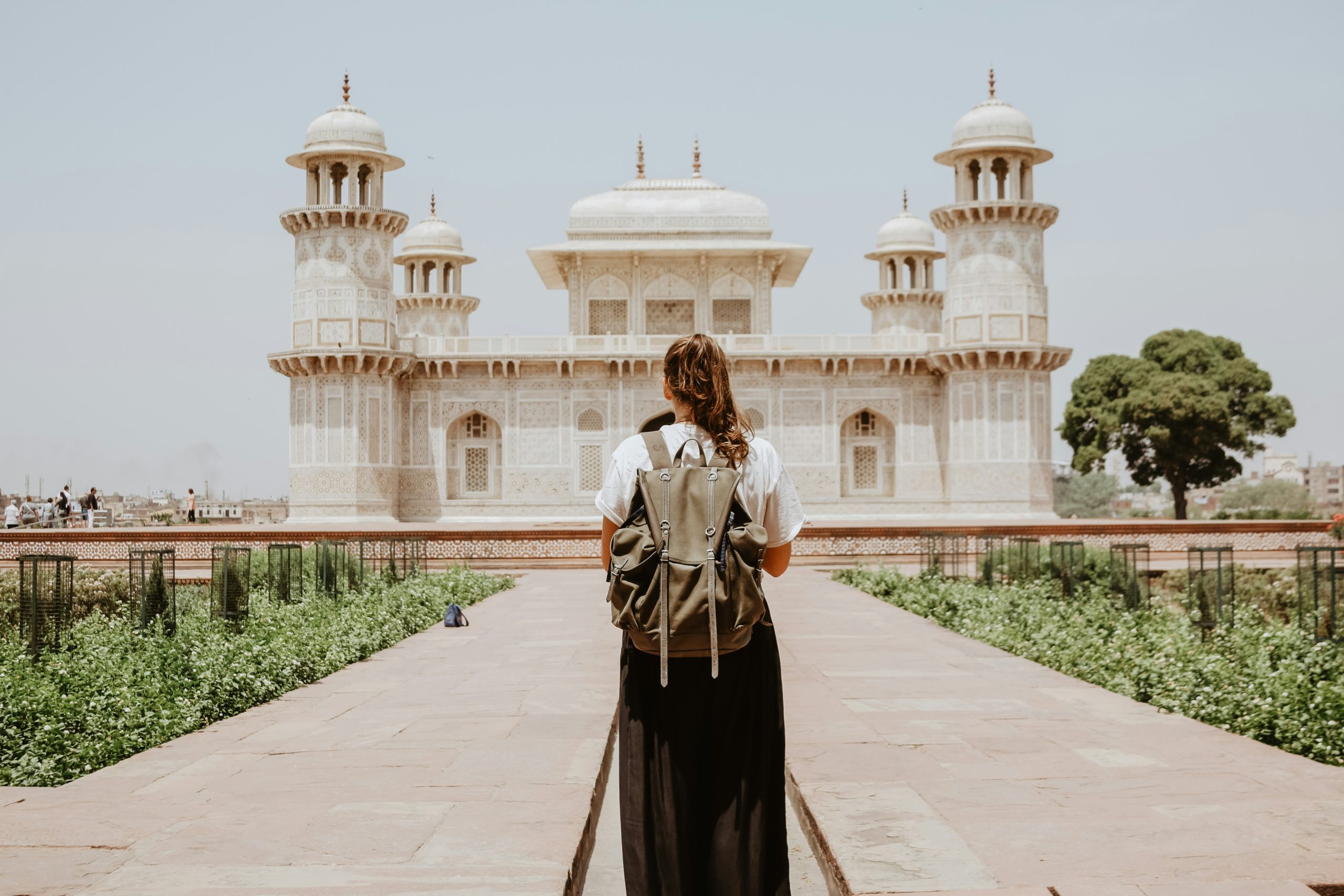
Regenerative Tourism: Beyond Sustainability
In recent years, we have witnessed the rapid growth of tourism, positioning itself as one of the fastest-growing sectors, second only to technology, further boosted by the exponential advancement of artificial intelligence. As avid readers, we understand the economic impact of tourism and its crucial influence on sustainability. However, today I want to explore a type of tourism that is gaining increasing relevance: regenerative tourism. This approach goes beyond mere sustainability, aiming not only to mitigate environmental impact, but also to actively contribute to the restoration and improvement of the environment. Regenerative tourism is distinguished by activities designed not only to reduce the negative impact of conventional tourism, but also to enhance environmental resilience in the face of climate change. In response to current challenges in the tourism industry, this approach emerges as a necessary and responsible option. A prominent example of this model is The Good Concierge Project, featured on labuenahuella.org, highlighting Víctor Fernández Morales as Co-Founder and Project Director. Pula Golf Resort in Mallorca stands out as a leader in competitive regenerative hospitality. Since its establishment in 1996, the resort has been recognized for its commitment to Corporate Social Responsibility (CSR) and environmental policies. During the COVID-19 pandemic, it actively
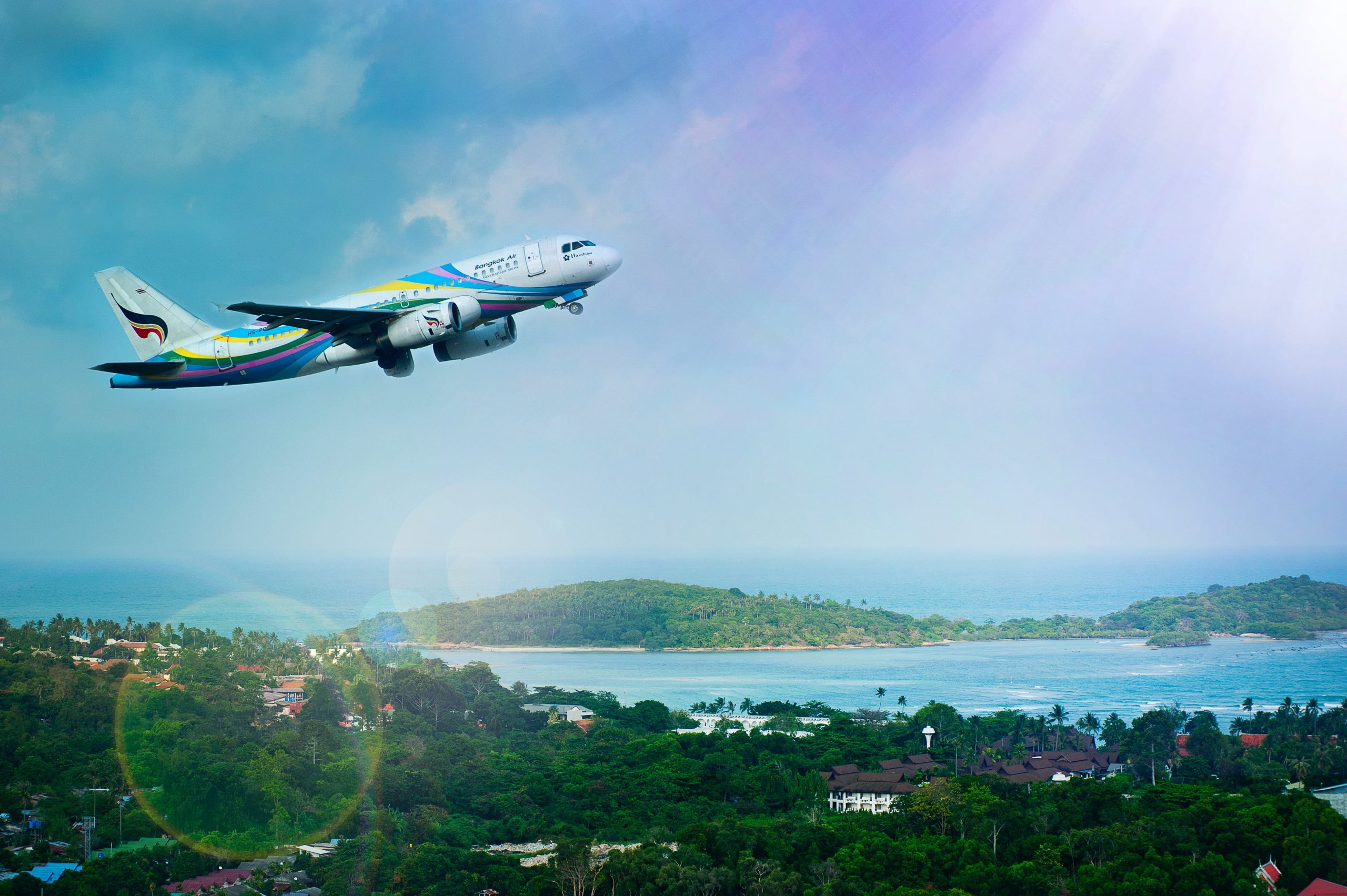
Tourism 2024: navigating between challenges and opportunities
On the horizon of tourism for 2024, perspectives emerge as promising as they are challenging. The demand for sustainable tourism, with a focus on conserving natural environments and local culture, is expected to continue its ascent. Digitalization and the implementation of technologies such as artificial intelligence (AI) are transforming the visitor experience. However, this scenario also poses a crossroads for the sector: balancing the surge in demand with the urgent need to preserve the environment and, crucially, adapt to geopolitical tensions. Surge in demand and environmental sustainability According to the second World Tourism Barometer by the World Tourism Organization (UNWTO), international arrivals reached 80% of pre-pandemic levels in the first quarter of 2023. With 235 million tourists undertaking international trips during this period—more than double that of 2022—these figures reveal that, despite past challenges, tourism is regaining its vitality. However, this increased demand also underscores the urgent need to address environmental sustainability. In this context, a crucial question arises: How can the tourism industry meet growing demand without compromising natural resources and the cultural integrity of destinations? Digitalization, AI, and enhancement of visitor experience Simultaneously, digitalization and artificial intelligence have become key elements in the evolution of tourism. According to experts in an article