

Burnout is not a badge of honor; it is a design flaw
I find it difficult to connect with the narrative that insists on romanticizing the "entrepreneurial sacrifice." We have been raised on the idea that passion solves everything and that exhaustion is a badge of honor, but reality is far more pragmatic: enthusiasm without margins ends up being a very expensive hobby. An owner’s objective should not be to build a personal epic, but to design operational resilience. This shift in focus is not just a management opinion; it is a matter of corporate public health urgency. According to a BID Lab study in Latin America, 64% of high-impact entrepreneurs show moderate levels of burnout, and 20% already exhibit severe symptoms. When 3 out of 10 founders report profound psychological distress, it becomes clear that "burning through life" as fuel for a business is not a strategy—it is a design flaw. This is why I value initiatives like BBVA Spark, which has understood that supporting startups goes far beyond capital allocation. By integrating well-being and mental health discussions into their service model, they validate a truth the market often ignores: a burnt-out entrepreneur cannot make lucid strategic decisions. Self-care is not a luxury; it is a variable of financial sustainability. Real success is

Conscious Luxury: Entrepreneurship with Purpose in Times of Change
Over time, I’ve realized that luxury no longer means what I once believed. For decades, we assumed luxury was synonymous with exclusivity, rarity, and status — something found in the unattainable, in perfection, in pieces that only a few could possess. But today, in a world changing at a dizzying pace — environmentally, socially, and culturally — I’ve come to understand that true luxury is not measured in carats, labels, or window displays. For me, luxury has become something far more intimate: purpose, awareness, authenticity. A way of living and creating that blends elegance with ethics, aesthetics with sustainability, and desire with responsibility. I don’t see it as a trend or a “new segment,” but as a profound transformation in how we understand value. Perhaps that’s why it’s been so striking to witness how many people, brands, and projects are rethinking the industry from within. It’s no longer about producing more, but about producing with intention — valuing the story behind each piece, the hands that shape it, the impact it leaves behind. And this shift doesn’t originate only from companies; it comes above all from a more informed, more conscious consumer who wants to know who made what they buy, how

Cultural Experiences as an Economic Driver
Cultural celebrations have a transformative power that inspires me deeply. It’s not just about music, dance, or tradition; behind every carnival, festival, or local celebration lies an economic engine with enormous reach. These gatherings attract thousands of visitors, energize entire sectors—from tourism and hospitality to gastronomy and local commerce—and at the same time, project a country’s identity to the world. What begins as a genuine expression of community becomes a solid platform for economic and social development, capable of generating investment, employment, and opportunities that extend far beyond the festivities, leaving a lasting mark on the national economy. Brazil’s Carnival is perhaps the most striking example of this phenomenon. In 2025, between February 24 and March 8, over 310,000 international tourists visited the country to enjoy the festivities, with more than 161,000 arriving by air. In the state of Rio de Janeiro, hotel occupancy reached record levels, with areas such as Copacabana, Ipanema, and downtown seeing rates between 96% and 99%, while the statewide average was 87.7%, compared to 81.2% the previous year. Additionally, there was an 8.6% increase in temporary jobs linked to Carnival. These figures confirm that it’s not just samba and joy: Carnival is a global-scale economic engine. It
Real Stories that Inspire: How Entrepreneurs Excelled in Gastronomy and Tourism
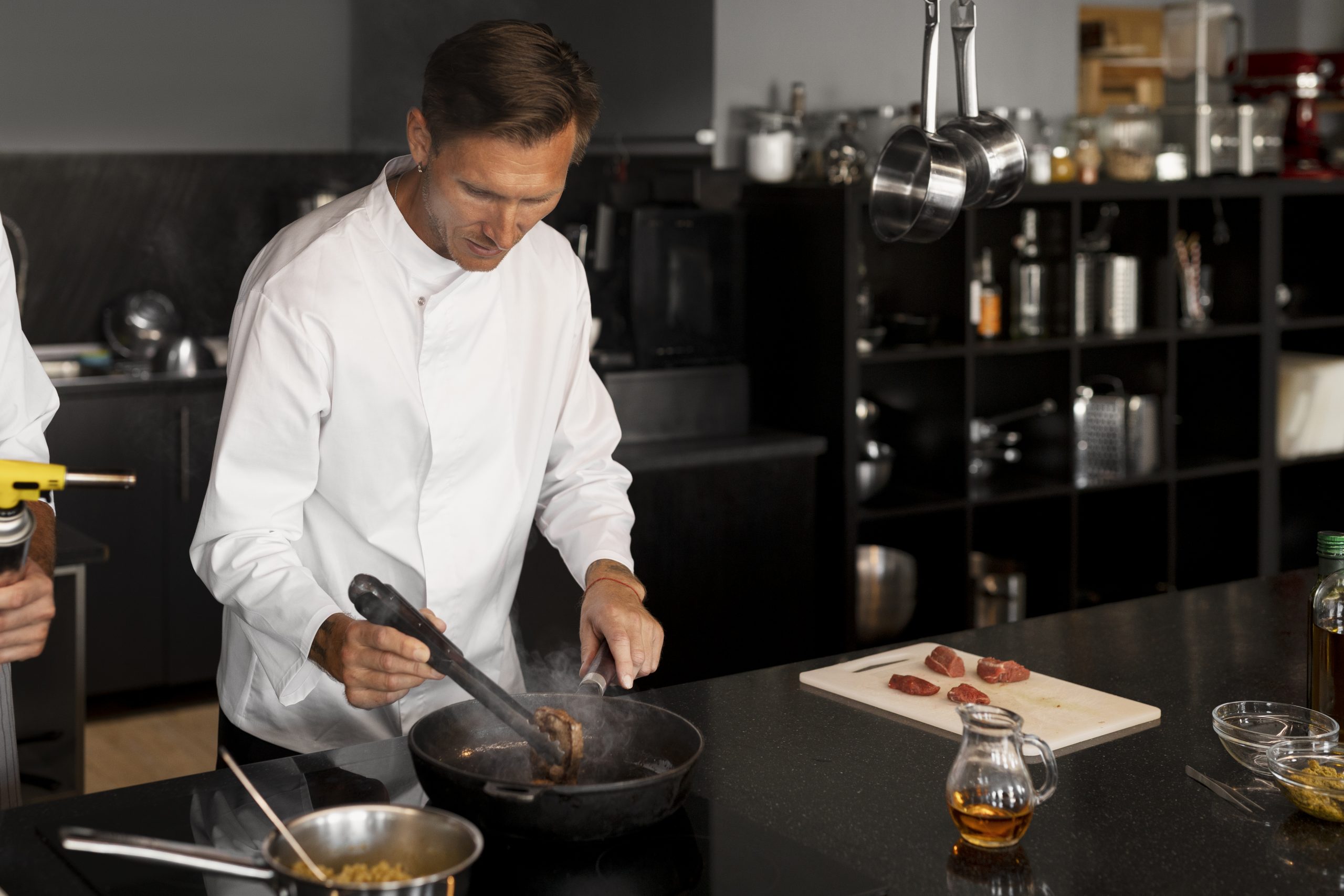
Behind every successful venture lies a story of vision, resilience, and passion. As an enthusiast of gastronomy and tourism, I am driven by curiosity to discover how projects in these industries are born and evolve. Behind each success there are stories of passion, vision, and effort, and it is precisely that energy that inspires me to closely follow new proposals in the sector. In a world where trends change rapidly and creativity makes all the difference, I am excited to see how some initiatives manage to stand out and create memorable experiences. A clear example of this is the story of Álvaro Clavijo, who, from Bogotá, has taken his restaurant El Chato to the ranks of the world’s best. What stands out in his proposal is not only technique or international recognition, but how he has managed to project local identity onto global stages, becoming an ambassador of a more creative and sustainable Colombian cuisine. For me, stories like his show that gastronomy, when driven by purpose, has the power to transform realities and open doors beyond the table. In tourism, there are also examples worth highlighting. I find the journey of Amos Wekesa in Uganda particularly inspiring. Starting with very few

Big Results, Quiet Approach: What I’ve Seen Working Today
In today’s era of digital saturation, we’re constantly bombarded with ads, from social media and billboards to emails and push notifications. Instead of helping brands connect with people, this overwhelming noise often has the opposite effect. It exhausts audiences, and in many cases, leads to rejection. It feels like many brands are still focused on being the loudest in the room, rather than delivering real value. That’s where a different kind of strategy starts to make a difference, one that doesn’t rely on being loud, but on being real. These brands focus on authenticity and meaningful connection, often influencing us without even trying. Rather than chasing attention, they choose to be present in a quieter, more intentional way, earning trust, encouraging word-of-mouth, and paving the way for sustainable, lasting growth. You’ve probably experienced this, without noticing it, when you recommend a travel spot or a great restaurant to a close friend or family member. That kind of personal recommendation is the engine that drives this form of “quiet marketing.” One example I find fascinating in the travel space is Selina Hostels, a hotel chain that caters to young travelers and digital nomads. They’ve built a global brand without relying on traditional advertising. Instead,

Green innovation success stories: businesses that make a positive impact
In recent years, we have seen how sustainability has ceased to be a gesture of goodwill to become an indispensable strategic requirement for business, beyond a simple intangible. Today it is a smart growth strategy, not because we “should” take care of the planet, but because whoever manages to solve the most urgent problems in a profitable way will have the most solid business in their hands for the next decade. I would like to take this opportunity to share three projects that I have been observing, which show a pattern that catches my attention: the ability to transform environmental challenges into real competitive advantages. Although there is no official ranking that catalogs them, their consistent results in terms of economic value generation, positive impact and scalability position them, in practical terms, in my opinion, as success stories in the market. SOS Carbon: The supply chain as a driver of change SOS Carbon understood that in many places, innovation is not only about technology, but also about who you implement it with. Their decision to train local fishermen to collect sargassum solved two critical issues at the same time: they reduced operating costs and built a network of allies that is
Going from streaming to the plate: diversifying a business through storytelling
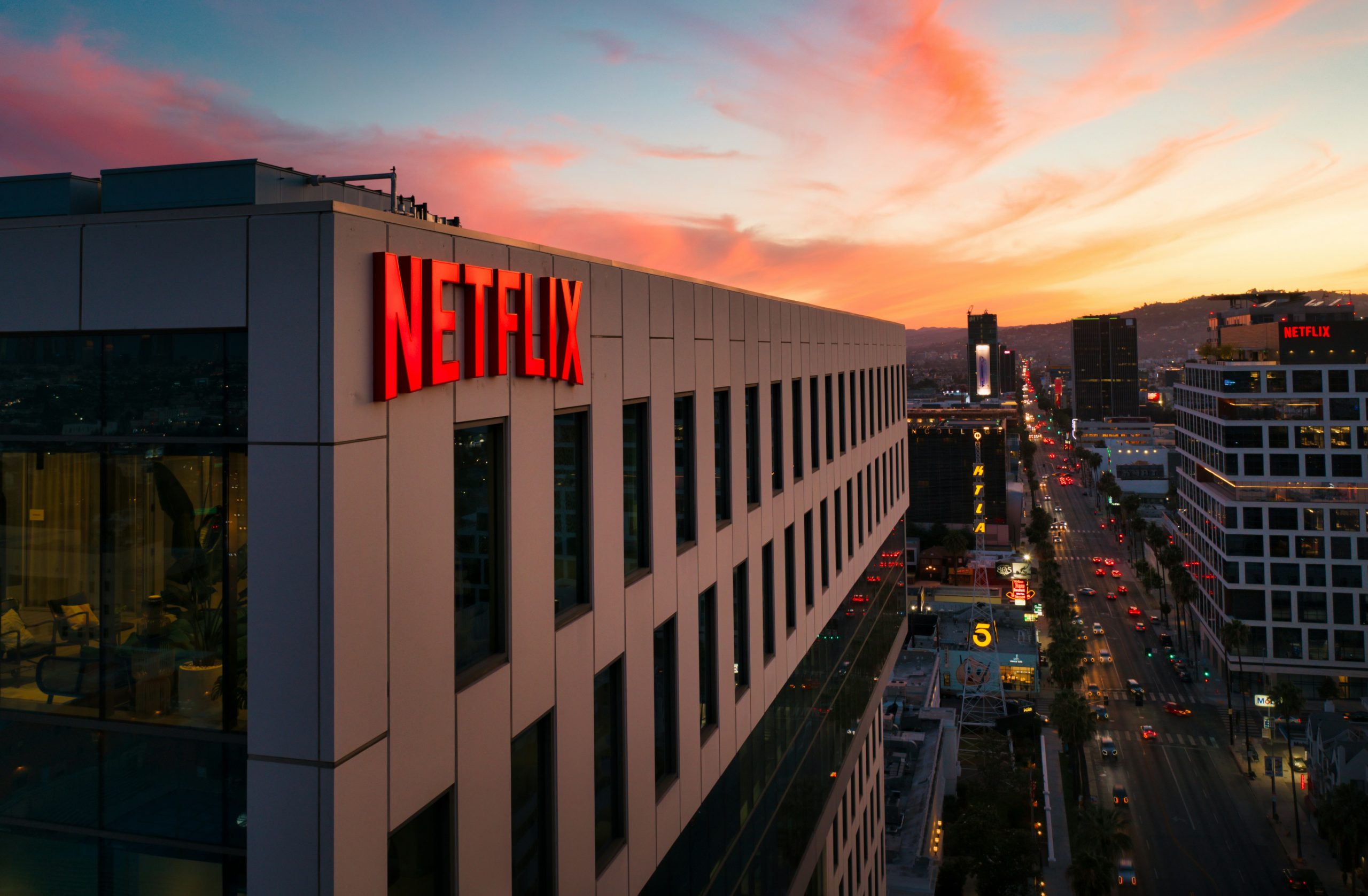
In today's business environment, diversifying no longer just means launching a new product line or exploring a new geographic market. The most visionary brands are going further, venturing into completely different industries. To do so, they leverage one of their most powerful intangible assets, their narrative. As an investor, and with a special interest in the gastronomic universe, I find it exciting to observe how companies like Netflix and Disney are transforming their strategic expansion into something much more sophisticated. They are not opening simple restaurants, they are building living extensions of their narrative worlds, where food is not only consumed, but experienced. Rarely have I seen a bet as disruptive as Netflix Bites, and at the same time, as coherent as that of Disney, which has been perfecting multi-sensory immersion in every corner of its parks, resorts and cruise ships for decades. Undoubtedly, both brands are recognized for their global leadership in the world of entertainment. However, they have shown that they can also be benchmarks in the field of the dining experience. Today, success is not in the dish, but in what that dish represents. Today's consumer prioritizes experiences that arouse emotions, connect with a story and are memorable enough

Capitalizing influence: entrepreneurs transforming their success into solutions for global challenges
Success in the business world can be measured not only in terms of growth and profitability but also in terms of the positive impact generated for society. Many entrepreneurs have demonstrated that entrepreneurship and philanthropy can go hand in hand, leveraging resources, knowledge, and influence to advance causes that benefit millions of people. A RESPONSIBILITY OF BUSINESS LEADERS In the corporate environment, successful entrepreneurs have strong capabilities for innovation, attracting investment, and mobilizing resources. Consequently, entrepreneurs have a privileged opportunity to address issues and generate significant changes beyond their businesses. Therefore, the true transcendence of an entrepreneur lies in their financial success and the legacy that he or she leaves behind through their impact on society. TRANSFORMING BUSINESS SUCCESS INTO SOCIAL IMPACT Leaders such as Oprah Winfrey, Michael Bloomberg, and Jeff Bezos have taken philanthropy to another level, using their influence and wealth to drive high-impact initiatives. Oprah Winfrey: Beyond her media career, Oprah has built a business empire that she has put at the service of philanthropy. Through the Oprah Winfrey Charitable Foundation, she has supported initiatives in education, humanitarian aid to victims of disasters, and women's and children's empowerment, proving that business success can be a means to transform lives. Michael Bloomberg: The

Global Trends on the Cover of The Economist 2025
Before delving into this topic, which I must admit excites me, I cannot help but mention that The Economist is a media outlet of Scottish origin, founded over 100 years ago (1843). Over time, like any other business, it has adapted and evolved in response to emerging trends. Today, it features dedicated sections on key countries like the United States and China and covers a wide range of topics, including technology, geopolitics, finance, and economics. It is renowned for its objectivity, editorial independence, and timeliness. Additionally, its distinctive covers also set it apart. Each year, The Economist releases its annual cover, which typically highlights global trends and topics of interest. These covers often focus on areas such as economics, politics, technology, and science, among other timely and relevant subjects. Undoubtedly, a significant part of the publication’s prestige stems from the accuracy of its predictions, which have garnered worldwide influence. Leaders, students, professionals, and others eagerly anticipate these covers, as they often highlight critical issues that set the tone for the year ahead. A notable example is the 2020 cover titled "The Next Catastrophe (and How to Survive It)", which was linked to the COVID-19 pandemic and its global impacts. These cover pages

Coworking: The Booming Market Every Entrepreneur Should Take Advantage
In recent years, we’ve witnessed a significant transformation in work models, particularly remote and hybrid work, which gained prominence between 2019 and 2020. This shift was largely a "forced" solution in response to the Covid-19 pandemic, as many businesses adopted these methods to continue operations, even in industries where the nature of work made remote operations challenging, such as certain areas in the financial sector that require stringent security measures. What began as a temporary measure has evolved into a permanent trend. In fact, hybrid and remote work have experienced growth of over +100% compared to previous years. According to a Forbes report, the coworking industry is projected to see impressive growth of up to +224% by the end of 2024. Notably, coworking spaces are not only used by digital nomads but are also becoming a cost-effective solution for companies seeking to optimize operational expenses with more flexible models. In 2024, several countries stand out for their remarkable growth in the coworking sector. The United States recorded a 2% increase during the second quarter of the year, while Spain showed an impressive 70% growth compared to 2023. Meanwhile, Mexico reported a 30% increase. These data underscore a clear opportunity: coworking is not just