

When travel becomes an experience
Today, we are witnessing a transformation in the way people travel. Exploring a destination is no longer limited to touring its main attractions or accumulating photographs; we increasingly seek to get closer to its culture, understand its dynamics, and connect with the people who bring it to life. Travel is starting to be valued not only for the places we visit, but for the experiences we live and what we take away from them. According to The Latam Experiences Traveler report—conducted by Arival and Phocuswright in collaboration with Civitatis—this shift in traveler expectations explains why experiential tourism is establishing itself as one of the key drivers of travel in Latin America, a region where cultural richness and biodiversity offer countless opportunities to discover each destination from a closer, more authentic perspective. From an analytical and business standpoint, this shift responds to a market demand to move beyond generic offerings. In an environment saturated with standardized options, the value proposition for operators, hotel chains, and travel agents no longer rests solely on physical infrastructure or traditional amenities. The competitive edge has shifted toward the ability to curate memorable experiences: from culinary workshops using local ingredients to guided tours led by residents of the

How organic wine went from a niche to market leader
Over time, I have come to realize that real market transformations usually happen in tandem with consumers. They occur when consumer priorities shift quietly yet firmly, forcing an entire value chain to redefine its rules of the game. For decades, the wine industry measured its success through volume, scale, and the ability to standardize flavor across millions of bottles. Today, however, we are witnessing a profound restructuring where authenticity, origin, and respect for the soil have ceased to be romantic rhetoric and become one of the most profitable facets of the sector. The interest in sustainable viticulture goes far beyond a simple marketing stance or an attribute reserved for boutique wineries. It has consolidated into a large-scale financial movement. Market research on the organic wine sector confirms sustained growth, positioning the category as one of the most dynamic commercial drivers within premium beverage consumption. What I find fascinating about this phenomenon is not just the agronomic sophistication it requires—such as eliminating synthetic sulfates, pesticides, and chemical fertilizers—but the reconfiguration of demand. Contemporary consumers seek transparency. They demand to know exactly what is in their glass and the impact that producing that liquid had on the land where it originated. This pursuit has driven

Why Don’t the Most Desired Brands Make It Easy?
Over time, I have come to understand that our obsession with convenience has stripped value from the journey. For more than a decade, we have been obsessed with operational fluidity: eliminating clicks, shortening wait times, automating interactions, and facilitating transactions to the point where buying something requires less thought than blinking. However, in this race to erase any trace of effort, many companies have ended up erasing what matters most: the emotional memory of the experience. The dominant dogma of "frictionless" promised us a more efficient world, but it forgot a fundamental rule of human psychology: that which costs nothing is rarely valued. When access to a product or service becomes instantaneous and devoid of friction, the transaction turns into a simple utilitarian chore, incapable of generating a sense of belonging, desirability, or long-term loyalty. That is why it is fascinating to observe how capital and the most sophisticated brands are beginning to redesign their processes in the opposite direction. As a deliberate strategic decision, they have started adding intentional barriers, carefully calculated wait times, demanding selection filters, or buying experiences that require active commitment from the customer—this is the architecture that sustains perceived value. Consider, for a moment, the high-end firms that

Tourism Where the True Luxury Is Being Disconnected
For decades, the high-end hospitality industry defined luxury as an accumulation of abundance. The more services added, the higher the rate: integrated touchscreens, ultra-high-speed connections, in-room automation, and technological availability that promised never to interrupt our productive lives. However, today's market is witnessing a reversal of that logic. Today we face a fascinating paradox: premium destinations are charging higher prices not for adding cutting-edge technology, but for the privilege of removing it. Over time, I have come to understand that attention has become the scarcest resource in the contemporary economy. Being constantly reachable ceased to be a professional advantage and turned into an indicator of operational servitude. In this context, true exclusivity is no longer measured by the number of megabytes per second you can access, but by the ability to pay so that no one can interrupt you. Coverage-free spaces, rooms without televisions, and forced disconnection have transformed into true status symbols. This dynamic is not an aesthetic whim of a nostalgic niche, but a rapidly expanding market. A study by the firm Dataintelo reveals that the digital detox tourism market is projected to reach 7.6 billion dollars by 2034, driven by digital fatigue and the search for mental breathing room.
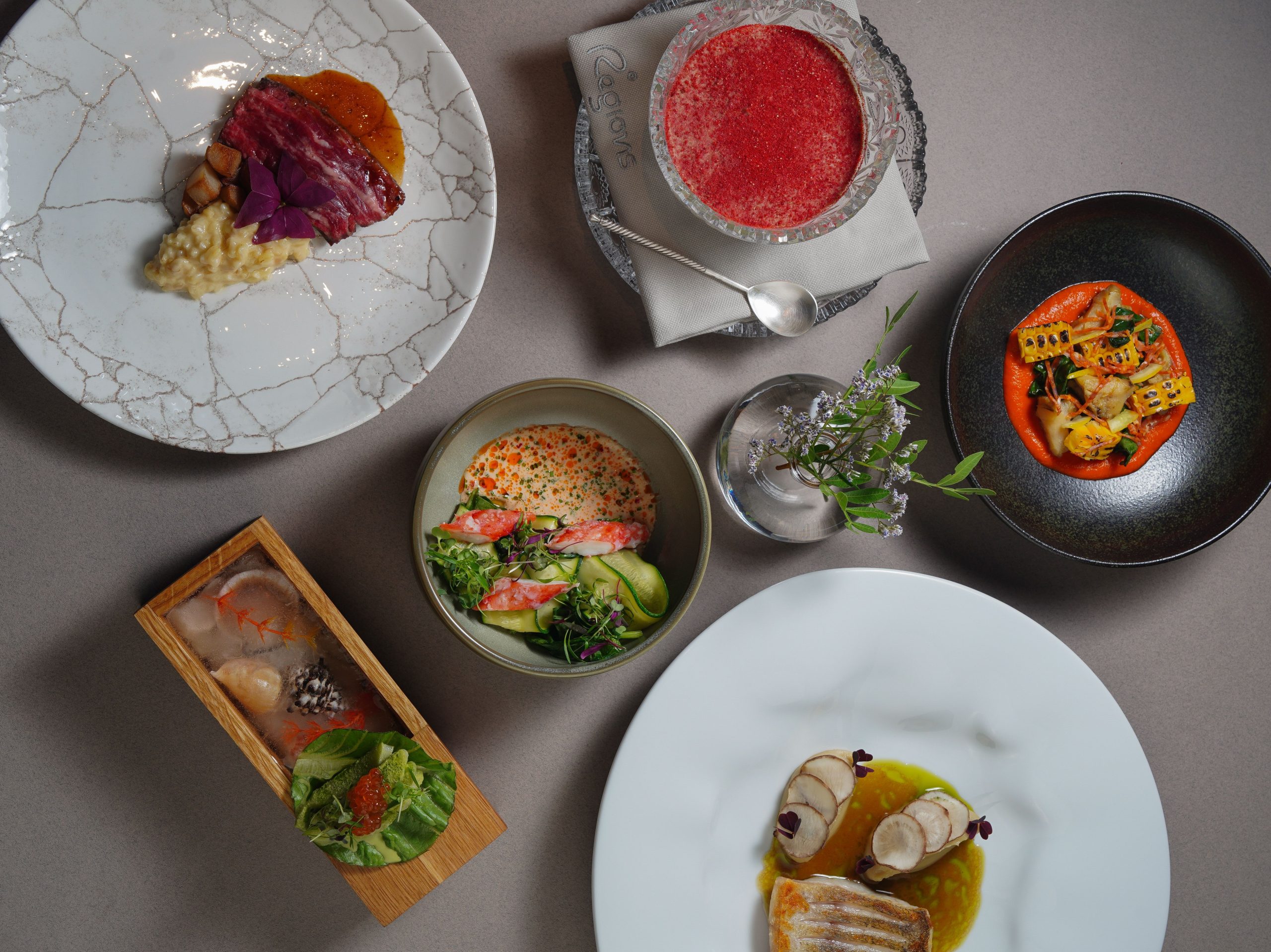
The cost of a Michelin star: The lights and shadows of a Michelin star
In gastronomy, a Michelin star is the pinnacle of prestige: it validates culinary artistry, attracts the global spotlight, and fills up waiting lists. However, behind the glamour lies a financial paradox, as obtaining and retaining this award completely alters a restaurant's economics and puts severe pressure on its cash flow. At first glance, greater media attention should mean higher revenues, but in fine dining, increased sales rarely translate into net margins. To keep the star, establishments must elevate their standards to obsessive levels, which often inflates operating costs. The first challenge is staff. We are talking about specialized sommeliers, highly technical chefs de partie, and a much higher chef-to-table ratio than usual. Attracting and retaining this talent requires significant investment, which shrinks profit margins. Added to this is quality control. Inspectors anonymously evaluate consistency and technique. To meet this rigor, restaurants must use premium ingredients, minimize waste, and constantly upgrade equipment and tableware. Because of this, several chefs have questioned or even returned their awards. Menu price increases rarely offset the surge in fixed costs. Some restaurants suffer operating losses after being awarded, trapped in luxury expectations that choke profitability. The star is a magnet for attracting customers, but it is not an
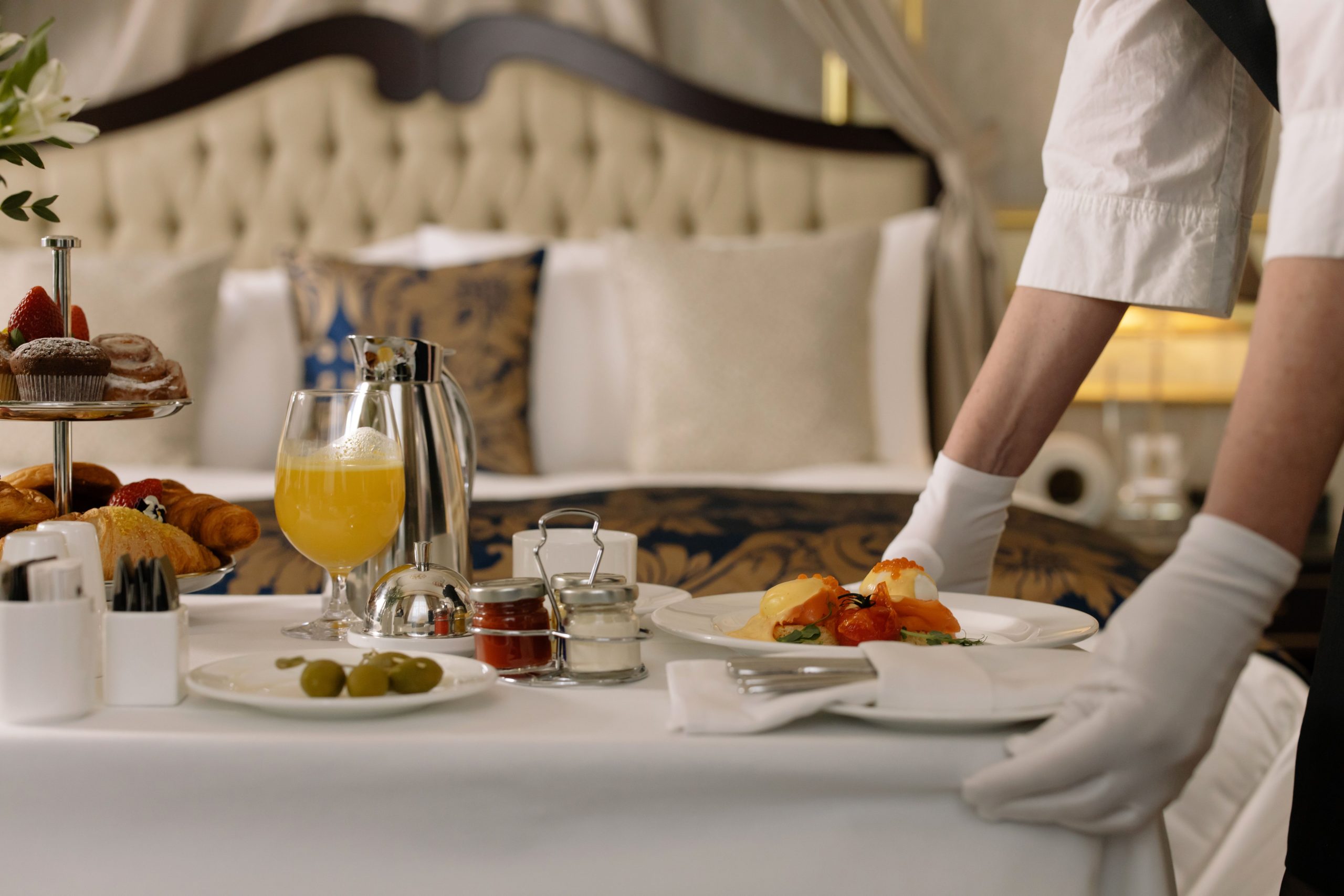
Why operational efficiency is the new luxury in hospitality
Over time, I have come to understand that true luxury in hospitality lies in the efficiency of the processes that exceed guest expectations. We have been trained to admire the surface: the lobby's marble, the infinity pool, or the designer furniture. However, in today's hotel business, this fixation on the facade is beginning to show its cracks. A resort can be a visual masterpiece, but if the service stumbles during delivery, if wait times fracture the experience, or if internal logistics are a silent chaos, the aesthetics become an empty promise. Today, the real profitability of premium projects is shifting toward the robustness of their digital infrastructure. Investing in automation and streamlining logistics is the most viable option to secure long-term financial sustainability and guest loyalty. The true differentiator is no longer just the decor; it is the commitment to automating and personalizing services for every single guest. Traditionally, tourism has suffered from an overemphasis on architecture and interior design. It is often assumed that the initial visual impact is enough to justify high rates. But the luxury guest in 2026 is more demanding and less prone to forgiving operational failures. A beautifully designed lobby is useless if the check-in process takes

How artificial intelligence is redefining human experiences
Everyone is talking about the $15.7 trillion that artificial intelligence will pump into the global economy by 2030. It is an impressive number, but I think most people are looking in the wrong place. The true success of technology is not about being noticed; it is quite the opposite. It is about being so fluid that it disappears. The most valuable AI is the one you do not see—the one working in the background to personalize a service or anticipate exactly what you need. There is a huge myth that machines are here to replace people. A Harvard Business Review study of 1,500 corporations completely debunked that idea. It proved that the real jump in performance happens when the algorithm and human intuition team up. The math is simple. If you leave repetitive processes and data to the machine, you wipe out daily operational friction. That frees up your team to focus on what a screen will never replicate: high-level strategy, empathy, and creativity. Striking this balance is the only way to connect with a market that is fundamentally split. On one side, Baby Boomers and Generation X use technology out of pure pragmatism to boost productivity. On the other, Centennials demand
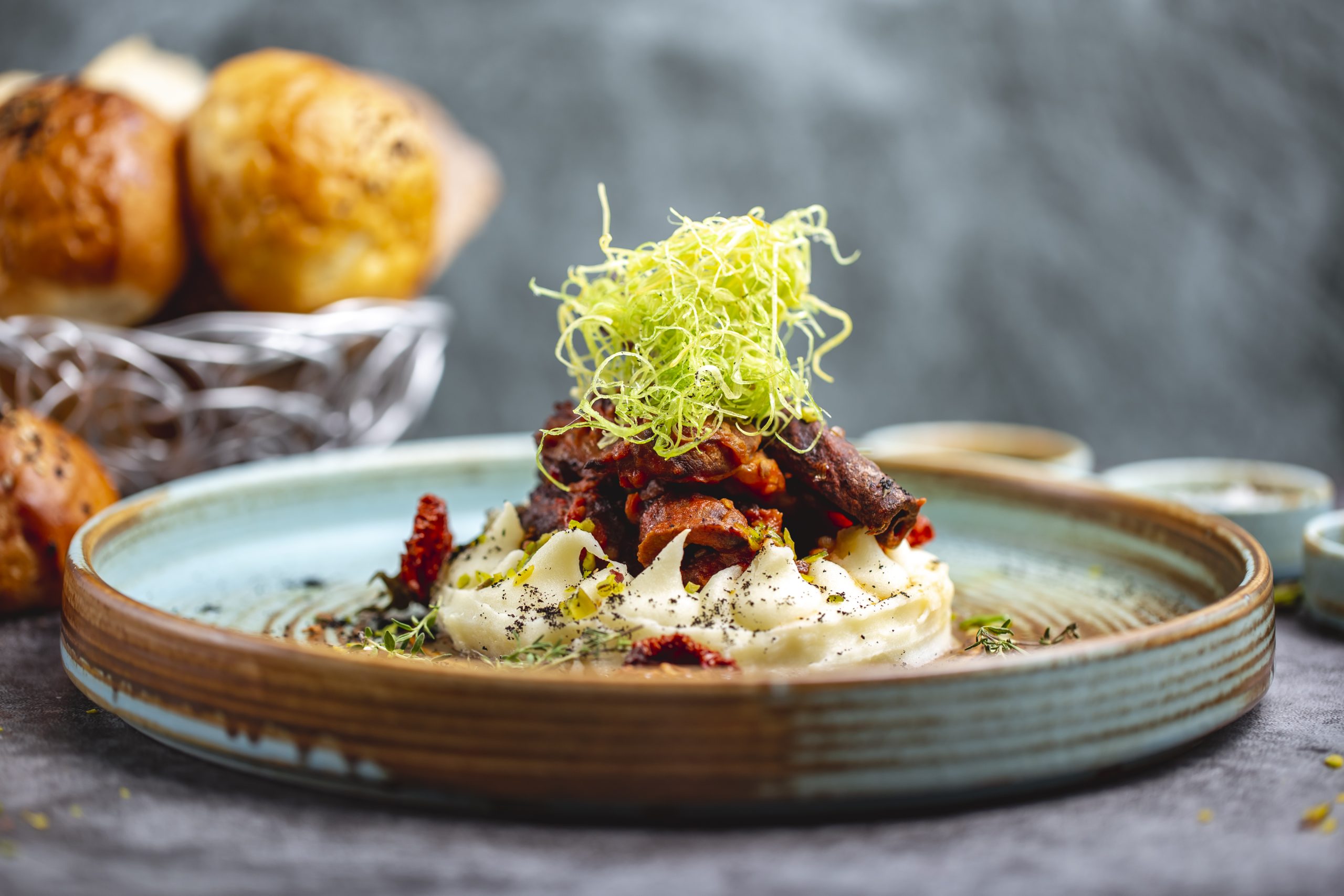
Forgotten Ingredients Returning to Haute Cuisine
In haute cuisine, true value no longer seems to lie solely in technical sophistication or in the world’s most exclusive ingredients, but rather in the ability to reinterpret what was ignored for years. Contemporary gastronomy is beginning to look backward in order to build the future, revaluing local products, traditional recipes, and culinary knowledge that once seemed destined to disappear. In my opinion, this shift reflects something deeper than a passing culinary trend. There is a growing need to reconnect cuisine with territory, memory, and origin. Authenticity —more than rarity— is starting to become a new form of luxury. Mexico offers a particularly interesting example. For decades, many traditional ingredients were pushed aside for economic, aesthetic, or production-related reasons. Native corn varieties, regional beans, quelites, endemic chilies, and ancestral preparations slowly disappeared from everyday life, displaced by monocultures, imports, and systems designed to prioritize volume over identity. However, initiatives led by chefs, producers, and organizations such as WWF —the acronym for World Wide Fund for Nature— and Slow Food have begun reintroducing products such as pasilla mixe chili, arí tarahumara, and native varieties of corn and beans into contemporary culinary proposals. And this is not happening only in Latin America. In Italy, chefs from

Sustainability Is No Longer About Reputation
For years, many companies built narratives around sustainability before asking themselves whether their operations were truly sustainable in the long term. And perhaps that was one of the biggest misconceptions in the corporate world: treating sustainability as a reputational exercise when, in reality, it was always a matter of business survival. For a long time, the concept became trapped between emotional campaigns, reports filled with green metrics, and narratives designed to communicate purpose. But the real conversation was never about how to communicate sustainability. It was about how prepared an organization was to remain efficient, profitable, and relevant in an increasingly unstable environment. Because integrating sustainability is not simply about “looking responsible.” It is about operating better. When a company reduces waste, redesigns its logistics, or decreases its energy dependence, it is not engaging in environmental philanthropy. It is strengthening its operational structure, protecting margins, and reducing vulnerabilities in the face of external crises. In fact, many of the decisions companies now present as sustainability initiatives were originally driven by the need to operate more efficiently. The transition toward renewable energy, for example, is not solely the result of environmental concerns. It also reflects the search for greater independence from fossil fuel volatility and geopolitical
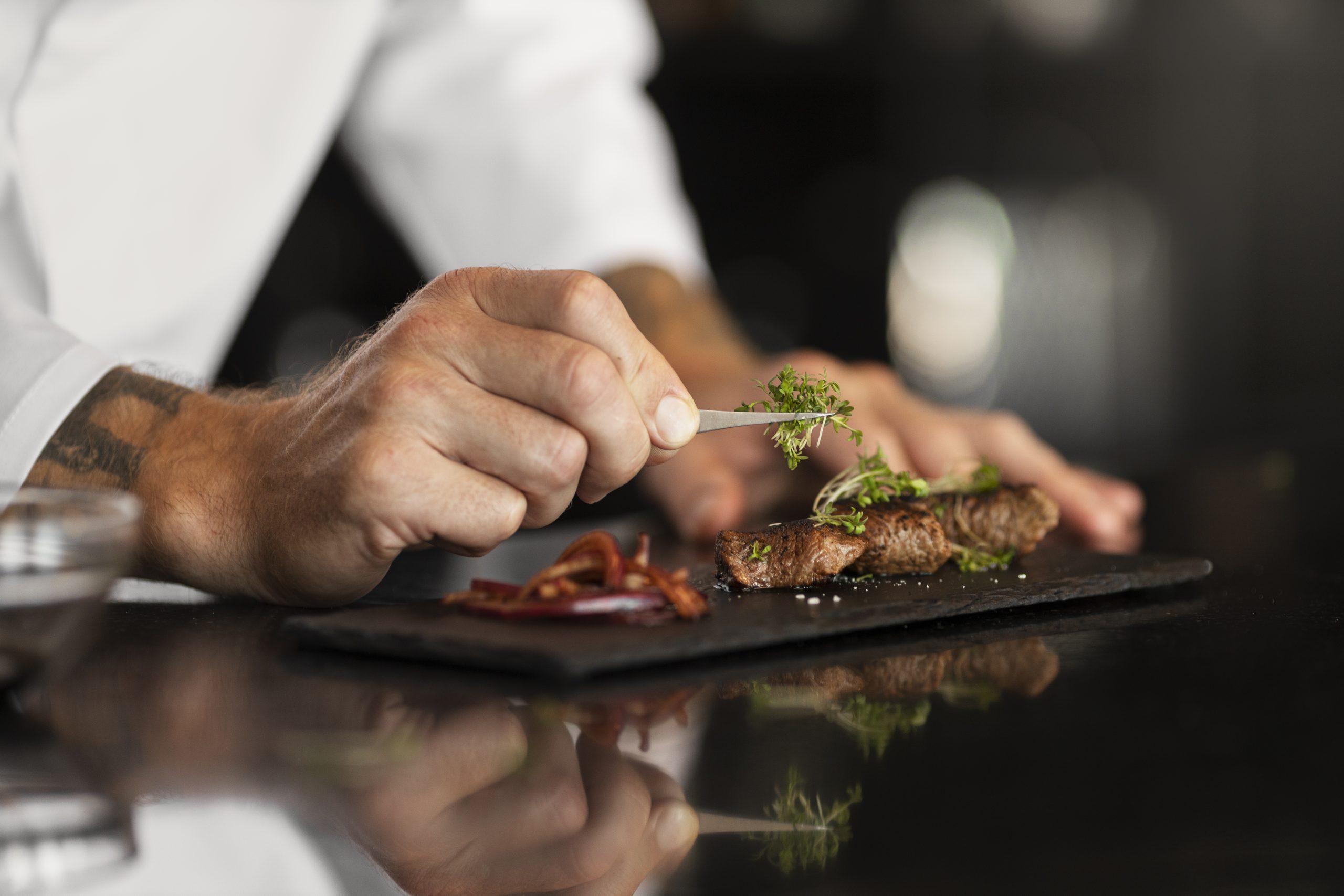
The legacy of the gesture: why culinary mastery is an act of generosity
In haute cuisine, true power does not lie in what a chef keeps, but in what they choose to share. Generosity —not as a superficial gesture, but as the willingness to transfer judgment, intuition, and a way of thinking— is, in my view, a chef’s most valuable asset. A chef can master technique, build a strong brand, and even achieve global recognition. But if that knowledge is not passed on, if it does not become a form of inheritance, its impact is limited. Excellence that is not shared fades; excellence that is taught multiplies. That is where legacy truly begins. The case of Alain Ducasse illustrates this clearly. From the Louis XV restaurant in Monaco, he not only built a benchmark culinary proposition, but also trained generations of chefs who now lead kitchens around the world. His influence lies not only in his restaurants, but in his ability to identify talent, develop it, and, above all, trust it. That trust is a concrete form of generosity: delegating without lowering standards. A similar approach can be seen in Ferran Adrià at El Bulli, Spain. Beyond the techniques that revolutionized gastronomy, his greatest contribution was teaching people how to think. He introduced a methodology based