

The Rise of Regenerative Tourism: Beyond Sustainability
“Traveling to heal”, an idea comes back to me every time I reflect on how tourism is slowly returning to its deepest purpose: to connect, to care, and to transform. I don’t travel just to see new places; I travel to understand them, to leave something meaningful behind, and sometimes to find a part of myself that only emerges when I’m far from home. For a long time, sustainability was the ceiling of the industry. Reducing plastic, respecting the environment, promoting responsible practices — that was enough. But the world has changed. We now face a planet under stress, marked by climate crises, biodiversity loss, and widening social gaps. In this reality, the goal can no longer be “to do no harm.” We have the responsibility —and also the opportunity— to heal. This is why regenerative tourism resonates with me so deeply. It goes beyond sustainability and invites us to give back more than we take. It’s not theory or trend; it’s a different way of moving through the world, one that seeks to restore ecosystems, strengthen communities, and preserve cultural identity. It turns the traveler into something more than a spectator — into an ally. What fascinates me about this movement is

Connections, Trends, and Opportunities: How to Make the Most of Global Tourism Events
Traveling and discovering new destinations is exciting, but being at a global tourism fair means experiencing the very heart of the industry. It is stepping into a space where cultures, innovation, and business intersect in real time. In other words, it is a “world marketplace” where everyone speaks the same language: the language of travel and experiences. For those of us who invest in and believe in tourism as a driver of development, these events are not optional—they are essential gatherings to connect, learn, and open doors that turn projects into realities. Attending these international fairs brings benefits that go far beyond a business card. They allow you to create high-value connections with tour operators, investors, tech providers, and destinations from around the globe. They also give you international visibility by positioning your brand in front of specialized media and strategic buyers. Most importantly, they provide the chance to stay up to date with the trends reshaping the industry, from regenerative tourism to digitalization, artificial intelligence, and immersive experiences. Among the most relevant events are FITUR (Madrid), a major meeting point for the Spanish-speaking and European markets; ITB Berlin, the largest and most global fair in terms of exhibitors; WTM London, a
Global Tourism Overview 2025: Growth, Emerging Destinations and Sectors
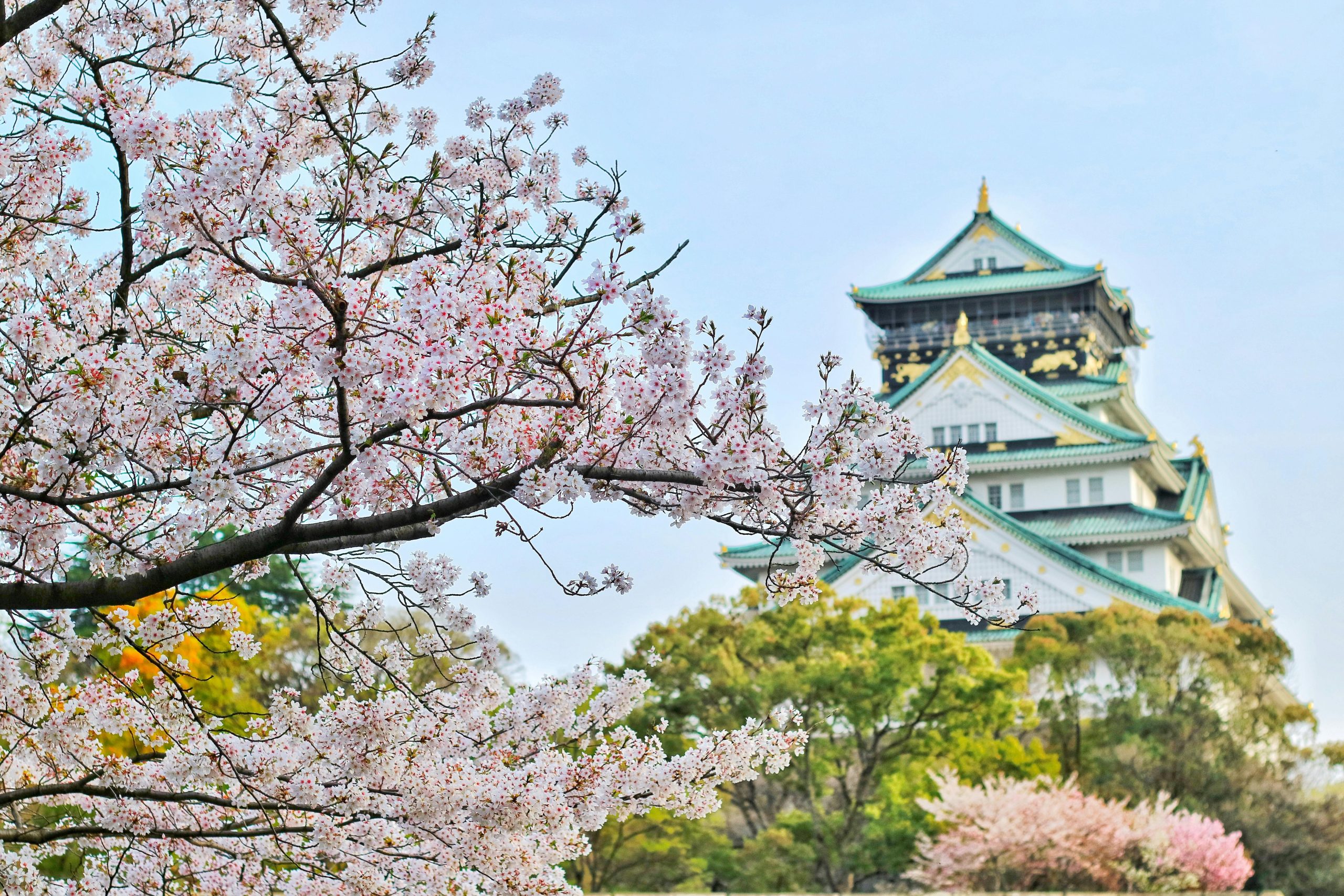
The pandemic left its mark on the global economy, but it also made one thing clear, tourism isn’t just bouncing back, it’s evolving with unprecedented strength. What was once seen as a fragile industry is now proving to be a major driver of economic recovery. According to Julia Simpson, CEO of the World Travel and Tourism Council (WTTC), tourism will contribute $11.7 trillion to global GDP and support 371 million jobs in 2025. For those of us closely watching the industry, these numbers speak volumes. They reflect not only the resilience of tourism, but the many opportunities now emerging for those ready to innovate. A Changing Travel Landscape: Tradition Meets Disruption While iconic destinations continue to draw visitors, the real growth is happening in emerging markets: Asia-Pacific: Countries like Thailand, India, and Japan are doing more than recovering, they're redefining cultural travel with immersive, experience-led tourism. Latin America: El Salvador, with a staggering 206% growth in tourism revenue (according to the UNWTO), and Brazil are capitalizing on global events and local traditions, turning pageants and carnivals into powerful economic magnets. But it’s not just about beautiful places. Accessibility is now key. Countries that have simplified visa processes and created traveler-friendly entry policies are gaining
Regenerative Tourism: Beyond Sustainability
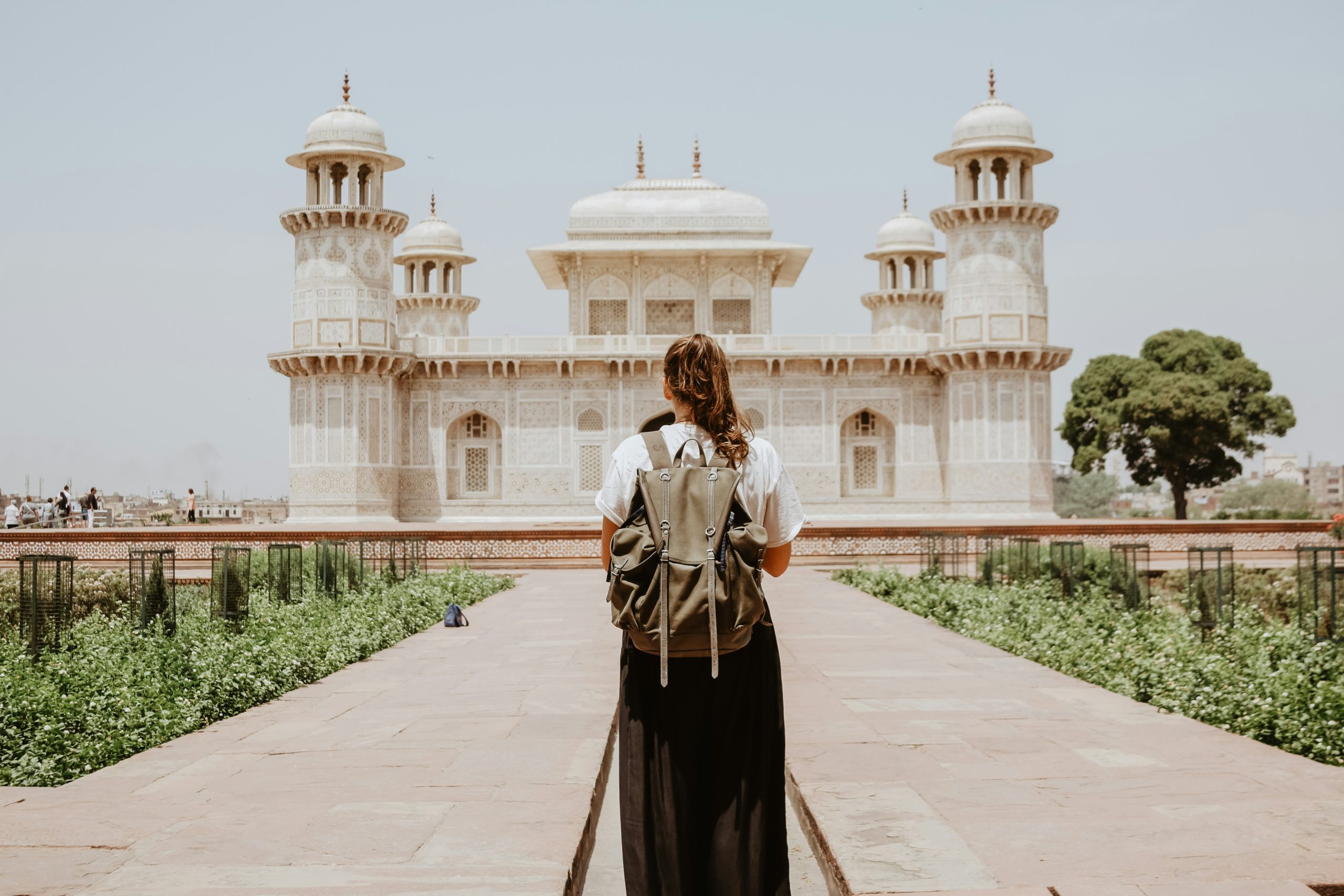
In recent years, we have witnessed the rapid growth of tourism, positioning itself as one of the fastest-growing sectors, second only to technology, further boosted by the exponential advancement of artificial intelligence. As avid readers, we understand the economic impact of tourism and its crucial influence on sustainability. However, today I want to explore a type of tourism that is gaining increasing relevance: regenerative tourism. This approach goes beyond mere sustainability, aiming not only to mitigate environmental impact, but also to actively contribute to the restoration and improvement of the environment. Regenerative tourism is distinguished by activities designed not only to reduce the negative impact of conventional tourism, but also to enhance environmental resilience in the face of climate change. In response to current challenges in the tourism industry, this approach emerges as a necessary and responsible option. A prominent example of this model is The Good Concierge Project, featured on labuenahuella.org, highlighting Víctor Fernández Morales as Co-Founder and Project Director. Pula Golf Resort in Mallorca stands out as a leader in competitive regenerative hospitality. Since its establishment in 1996, the resort has been recognized for its commitment to Corporate Social Responsibility (CSR) and environmental policies. During the COVID-19 pandemic, it actively