
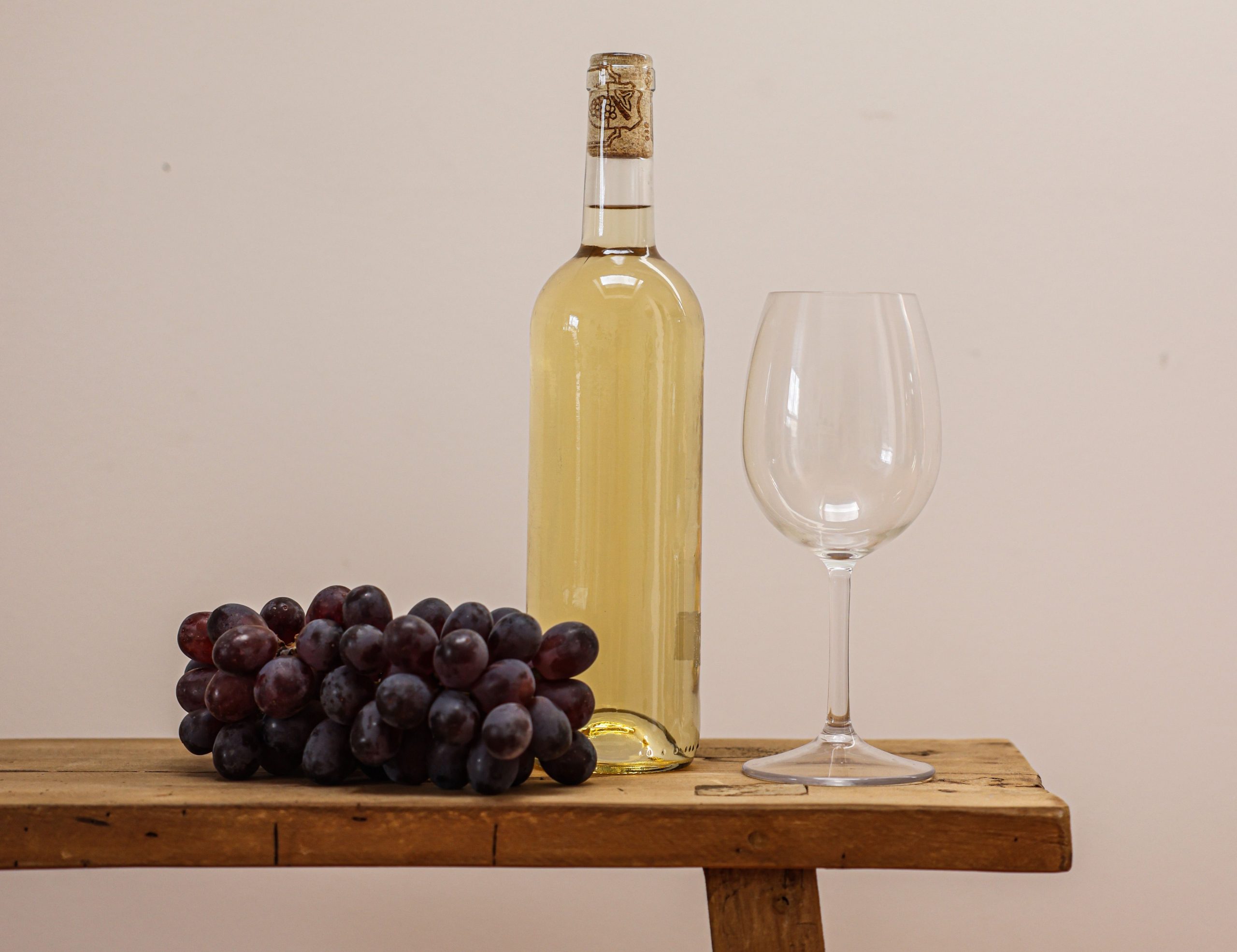
How organic wine went from a niche to market leader
Over time, I have come to realize that real market transformations usually happen in tandem with consumers. They occur when consumer priorities shift quietly yet firmly, forcing an entire value chain to redefine its rules of the game. For decades, the wine industry measured its success through volume, scale, and the ability to standardize flavor across millions of bottles. Today, however, we are witnessing a profound restructuring where authenticity, origin, and respect for the soil have ceased to be romantic rhetoric and become one of the most profitable facets of the sector. The interest in sustainable viticulture goes far beyond a simple marketing stance or an attribute reserved for boutique wineries. It has consolidated into a large-scale financial movement. Market research on the organic wine sector confirms sustained growth, positioning the category as one of the most dynamic commercial drivers within premium beverage consumption. What I find fascinating about this phenomenon is not just the agronomic sophistication it requires—such as eliminating synthetic sulfates, pesticides, and chemical fertilizers—but the reconfiguration of demand. Contemporary consumers seek transparency. They demand to know exactly what is in their glass and the impact that producing that liquid had on the land where it originated. This pursuit has driven
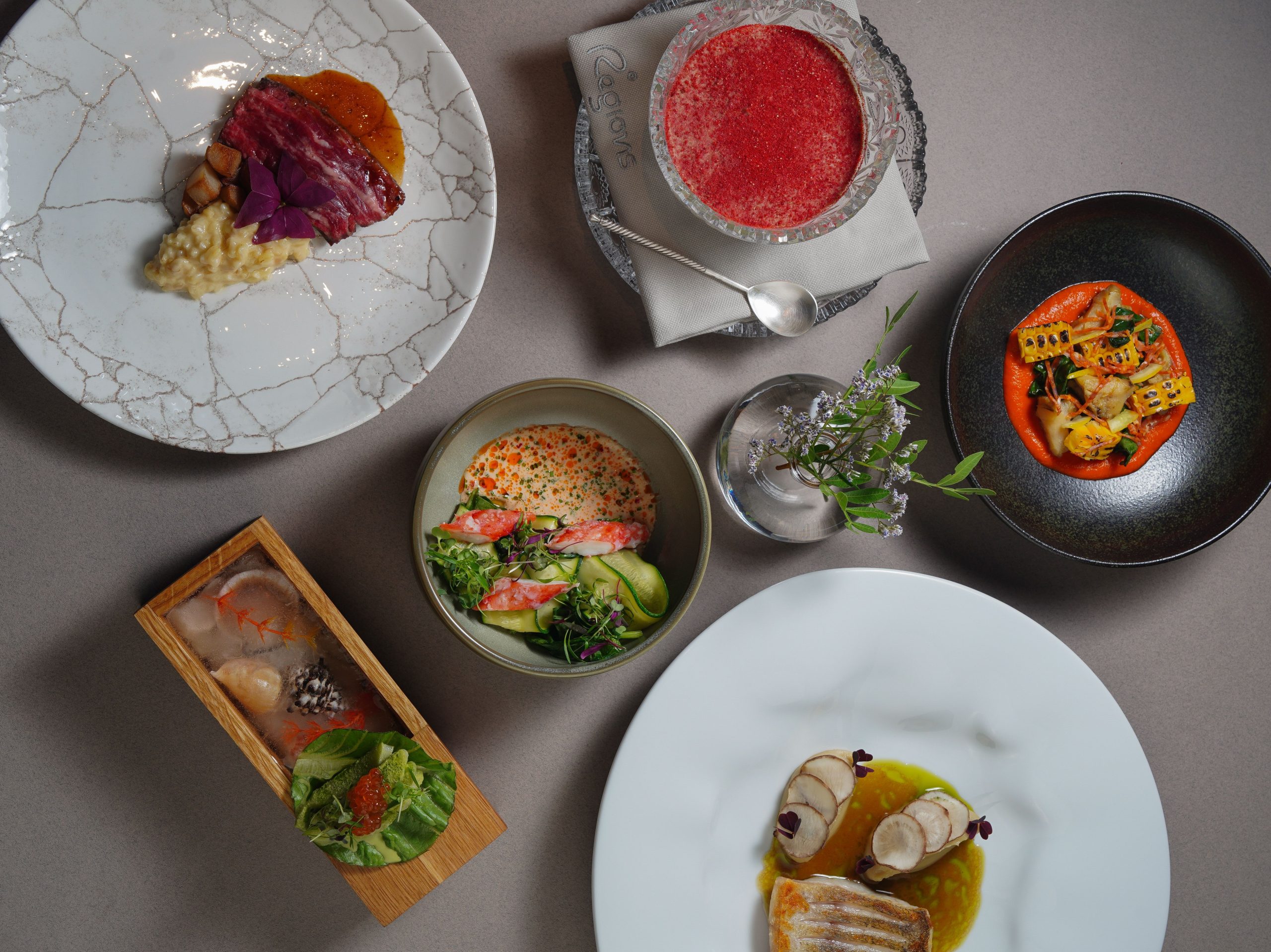
The cost of a Michelin star: The lights and shadows of a Michelin star
In gastronomy, a Michelin star is the pinnacle of prestige: it validates culinary artistry, attracts the global spotlight, and fills up waiting lists. However, behind the glamour lies a financial paradox, as obtaining and retaining this award completely alters a restaurant's economics and puts severe pressure on its cash flow. At first glance, greater media attention should mean higher revenues, but in fine dining, increased sales rarely translate into net margins. To keep the star, establishments must elevate their standards to obsessive levels, which often inflates operating costs. The first challenge is staff. We are talking about specialized sommeliers, highly technical chefs de partie, and a much higher chef-to-table ratio than usual. Attracting and retaining this talent requires significant investment, which shrinks profit margins. Added to this is quality control. Inspectors anonymously evaluate consistency and technique. To meet this rigor, restaurants must use premium ingredients, minimize waste, and constantly upgrade equipment and tableware. Because of this, several chefs have questioned or even returned their awards. Menu price increases rarely offset the surge in fixed costs. Some restaurants suffer operating losses after being awarded, trapped in luxury expectations that choke profitability. The star is a magnet for attracting customers, but it is not an
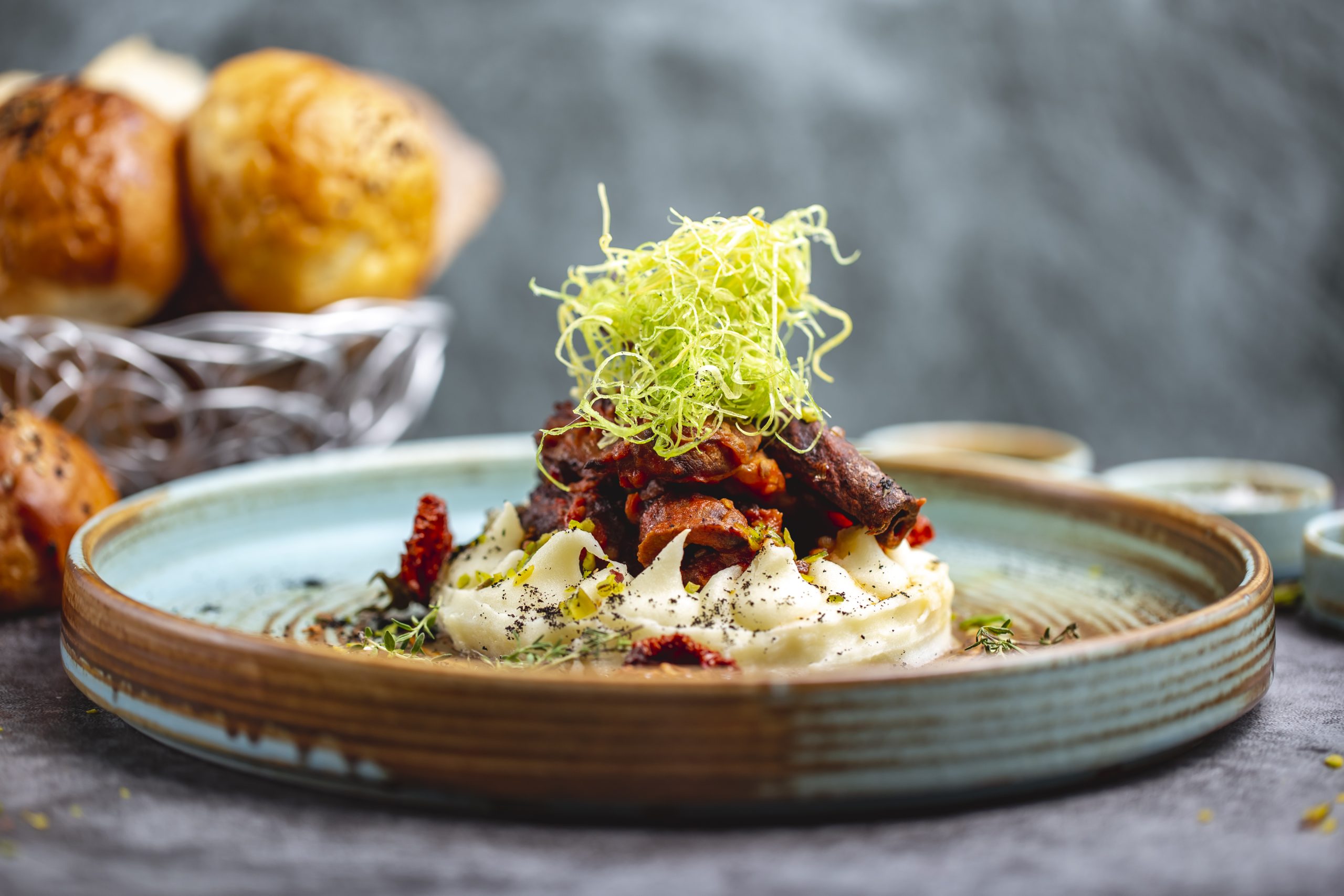
Forgotten Ingredients Returning to Haute Cuisine
In haute cuisine, true value no longer seems to lie solely in technical sophistication or in the world’s most exclusive ingredients, but rather in the ability to reinterpret what was ignored for years. Contemporary gastronomy is beginning to look backward in order to build the future, revaluing local products, traditional recipes, and culinary knowledge that once seemed destined to disappear. In my opinion, this shift reflects something deeper than a passing culinary trend. There is a growing need to reconnect cuisine with territory, memory, and origin. Authenticity —more than rarity— is starting to become a new form of luxury. Mexico offers a particularly interesting example. For decades, many traditional ingredients were pushed aside for economic, aesthetic, or production-related reasons. Native corn varieties, regional beans, quelites, endemic chilies, and ancestral preparations slowly disappeared from everyday life, displaced by monocultures, imports, and systems designed to prioritize volume over identity. However, initiatives led by chefs, producers, and organizations such as WWF —the acronym for World Wide Fund for Nature— and Slow Food have begun reintroducing products such as pasilla mixe chili, arí tarahumara, and native varieties of corn and beans into contemporary culinary proposals. And this is not happening only in Latin America. In Italy, chefs from
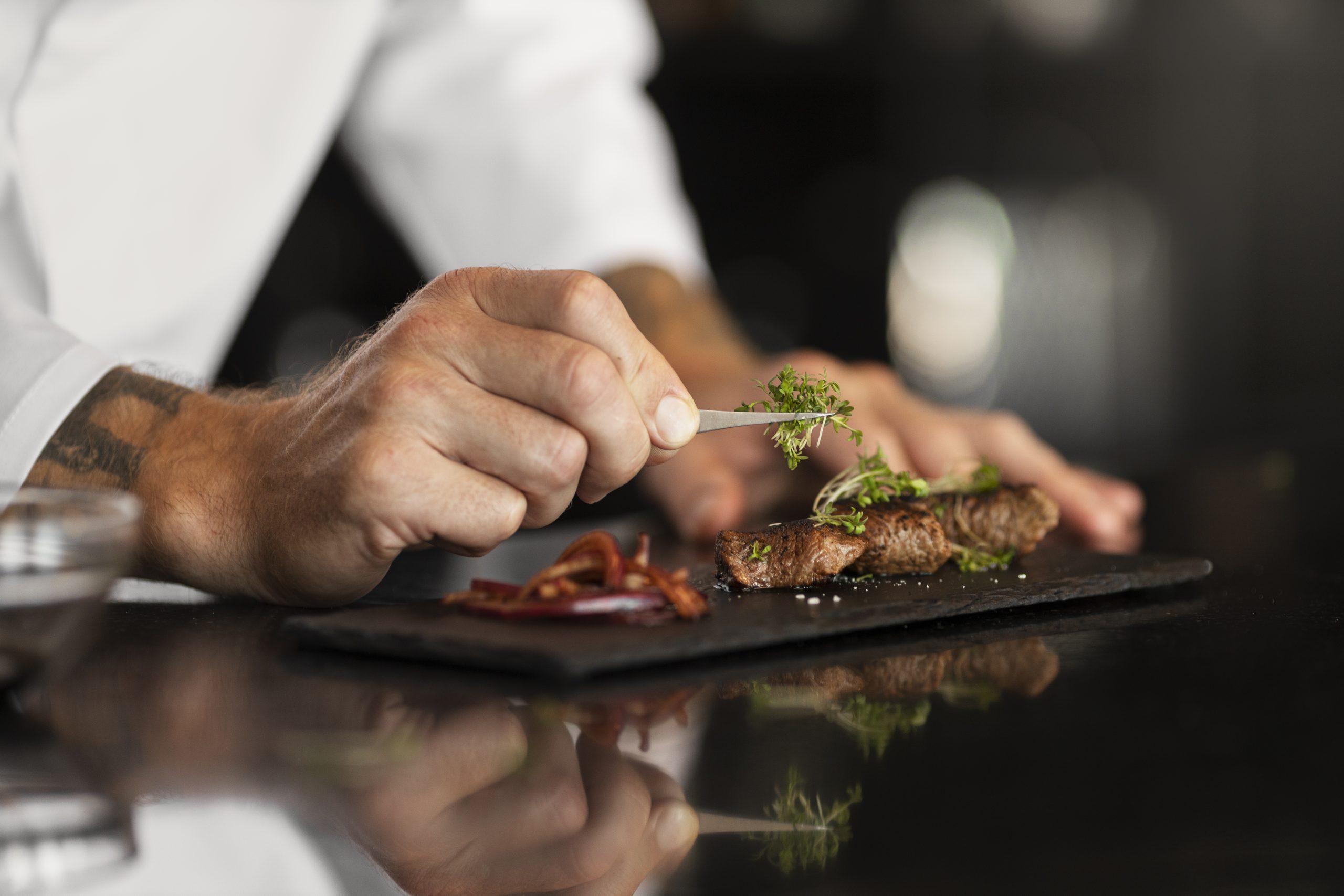
The legacy of the gesture: why culinary mastery is an act of generosity
In haute cuisine, true power does not lie in what a chef keeps, but in what they choose to share. Generosity —not as a superficial gesture, but as the willingness to transfer judgment, intuition, and a way of thinking— is, in my view, a chef’s most valuable asset. A chef can master technique, build a strong brand, and even achieve global recognition. But if that knowledge is not passed on, if it does not become a form of inheritance, its impact is limited. Excellence that is not shared fades; excellence that is taught multiplies. That is where legacy truly begins. The case of Alain Ducasse illustrates this clearly. From the Louis XV restaurant in Monaco, he not only built a benchmark culinary proposition, but also trained generations of chefs who now lead kitchens around the world. His influence lies not only in his restaurants, but in his ability to identify talent, develop it, and, above all, trust it. That trust is a concrete form of generosity: delegating without lowering standards. A similar approach can be seen in Ferran Adrià at El Bulli, Spain. Beyond the techniques that revolutionized gastronomy, his greatest contribution was teaching people how to think. He introduced a methodology based
Farewell to the Celebrity Chef: The day logistics defeated the ego
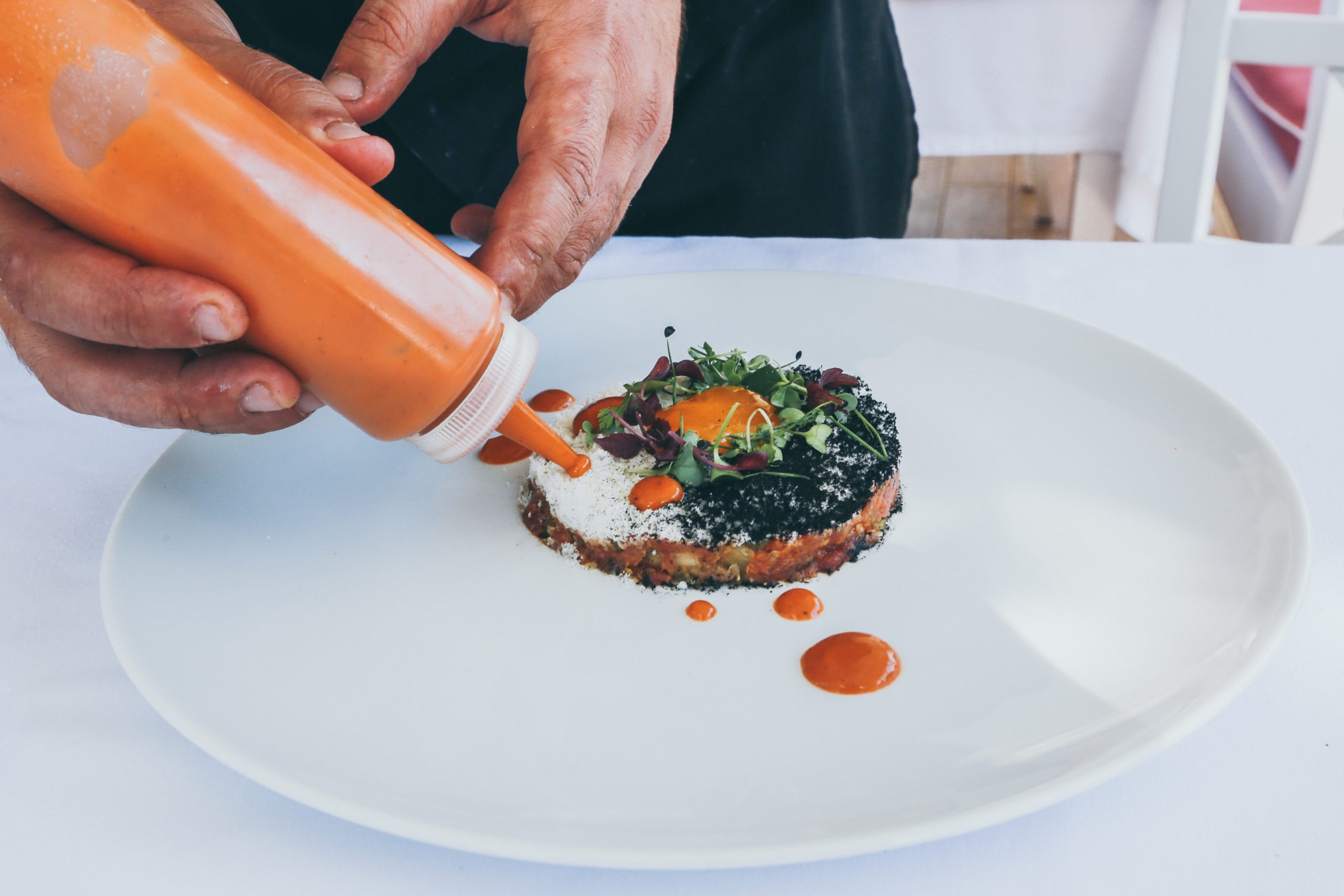
For decades, the industry operated under a cult-of-personality model. A project’s success depended almost exclusively on the name at the door. However, today I observe a definitive maturation: the business has stopped revolving around an ego to focus on what truly moves the needle—operational mastery and collective authorship. To me, this isn’t just a trend; it is pure evolution. The fact that Abu Dhabi will host the 50 Best Restaurants 2026 confirms it. They didn’t choose a destination because of one star chef; they chose it because Abu Dhabi has built an ecosystem where hospitality runs like clockwork. It is the triumph of the system over the individual. This new vision is best understood when looking at the extremes. I think of cases like Olivier Hubert, who left Michelin stars in Paris and London to cook in Antarctica. There, under survival conditions, the kitchen stops being a show and becomes pure logistics. In an environment where a single miscalculation can leave a team without supplies for a year, the chef’s ego vanishes. What remains is the shared responsibility of feeding a community. This is distributed leadership in its purest form: efficiency in the service of survival. Even in California’s most luxurious settings, such
The Rise of Sensory Minimalism
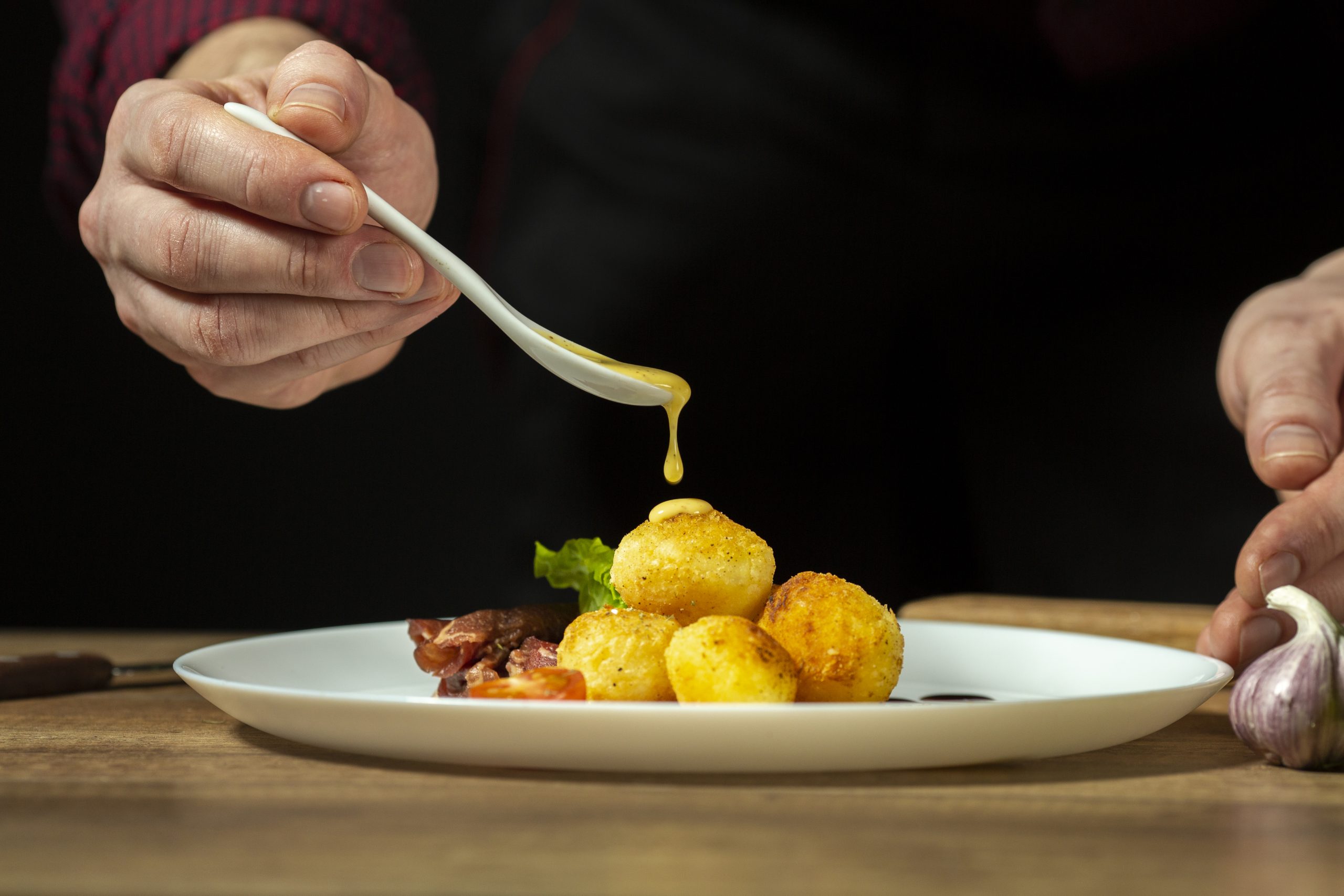
There are moments when a single bite can change the way we understand food. It happened to me recently, in front of a dish with no decorative flourishes and no obvious technique, yet it spoke louder than any elaborate creation. In that instant, I sensed a shift in the culinary world: greatness is no longer found in adding layers, but in stripping them away. More and more chefs are choosing to let go of what is unnecessary in order to return to what is essential. They are not trying to impress through excess, but through precision. They are abandoning ornamentation to focus on a flavor that is clean, honest, almost bare. And that, paradoxically, requires more courage than any complex preparation: when a single ingredient takes center stage, there is nowhere to hide. Menus are becoming shorter, and in doing so, they are becoming more memorable. A brief sequence of dishes that tells a story without visual or conceptual overload. Presentations that embrace space and quiet, inviting the diner to observe without distraction. Ingredients that become heroes not because of what is added to them, but because of how they are treated: vegetables handled with reverence, fish cooked without embellishment, fruit allowed