
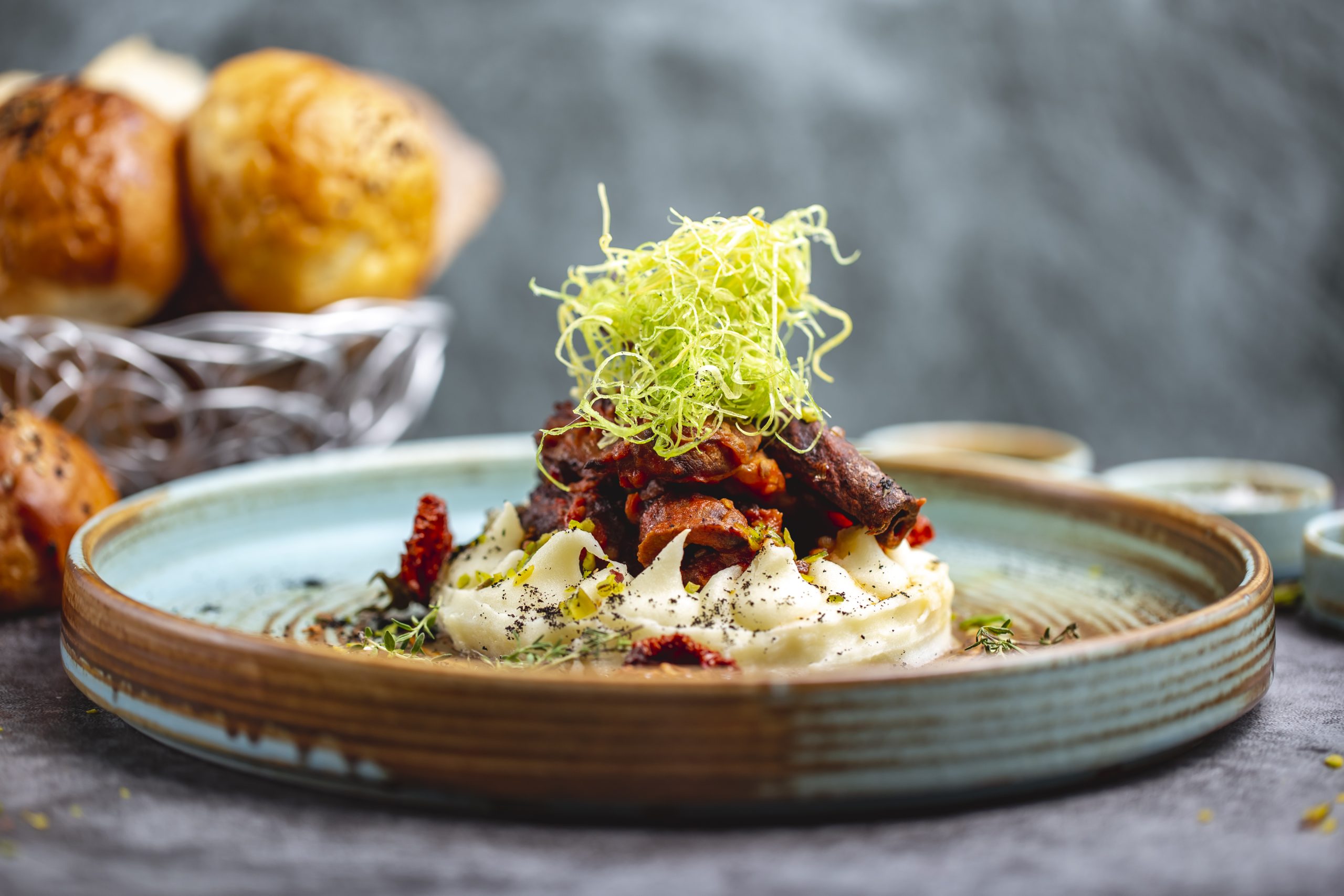
Forgotten Ingredients Returning to Haute Cuisine
In haute cuisine, true value no longer seems to lie solely in technical sophistication or in the world’s most exclusive ingredients, but rather in the ability to reinterpret what was ignored for years. Contemporary gastronomy is beginning to look backward in order to build the future, revaluing local products, traditional recipes, and culinary knowledge that once seemed destined to disappear.
In my opinion, this shift reflects something deeper than a passing culinary trend. There is a growing need to reconnect cuisine with territory, memory, and origin. Authenticity —more than rarity— is starting to become a new form of luxury.
Mexico offers a particularly interesting example. For decades, many traditional ingredients were pushed aside for economic, aesthetic, or production-related reasons. Native corn varieties, regional beans, quelites, endemic chilies, and ancestral preparations slowly disappeared from everyday life, displaced by monocultures, imports, and systems designed to prioritize volume over identity.
However, initiatives led by chefs, producers, and organizations such as WWF —the acronym for World Wide Fund for Nature— and Slow Food have begun reintroducing products such as pasilla mixe chili, arí tarahumara, and native varieties of corn and beans into contemporary culinary proposals.
And this is not happening only in Latin America. In Italy, chefs from the collective BACI —the acronym for Buenos Aires Italian Chefs— developed what they call a “rescue cuisine,” using historically undervalued ingredients such as sweetbreads, chicory, beef cheeks, and fennel seeds to reinterpret regional recipes through a modern lens. What is interesting is that value no longer lies exclusively in expensive ingredients, but in the cultural history those ingredients represent.
Even many products considered “exotic” within global gastronomy operate under this same logic. Oaxacan worm salt, the Chinese century egg, or certain varieties of European truffles are not valuable solely because of their rarity, but because they encapsulate territory, tradition, and techniques passed down through generations.
This is where I believe haute cuisine is evolving. It is no longer just about impressing diners through technical complexity, but about building an authentic narrative around the product and its cultural context.
Recovering forgotten ingredients also means recovering agricultural knowledge, traditional techniques, and ways of understanding the relationship between people and food. In many cases, preserving an ingredient means preserving an entire community.
Because when an ingredient disappears, more than a flavor is lost. Techniques, memory, and part of the cultural identity that made that cuisine possible disappear with it.

Why Don’t the Most Desired Brands Make It Easy?
Over time, I have come to understand that our obsession with convenience has stripped value from the journey. For more than a decade, we have been obsessed with operational fluidity: eliminating clicks, shortening wait times, automating interactions, and facilitating transactions to the point where buying something requires less thought than blinking. However, in this race to erase any trace of effort, many companies have ended up erasing what matters most: the emotional memory of the experience. The dominant dogma of "frictionless" promised us a more efficient world, but it forgot a fundamental rule of human psychology: that which costs nothing is rarely valued. When access to a product or service becomes instantaneous and devoid of friction, the transaction turns into a simple utilitarian chore, incapable of generating a sense of belonging, desirability, or long-term loyalty. That is why it is fascinating to observe how capital and the most sophisticated brands are beginning to redesign their processes in the opposite direction. As a deliberate strategic decision, they have started adding intentional barriers, carefully calculated wait times, demanding selection filters, or buying experiences that require active commitment from the customer—this is the architecture that sustains perceived value. Consider, for a moment, the high-end firms that

Tourism Where the True Luxury Is Being Disconnected
For decades, the high-end hospitality industry defined luxury as an accumulation of abundance. The more services added, the higher the rate: integrated touchscreens, ultra-high-speed connections, in-room automation, and technological availability that promised never to interrupt our productive lives. However, today's market is witnessing a reversal of that logic. Today we face a fascinating paradox: premium destinations are charging higher prices not for adding cutting-edge technology, but for the privilege of removing it. Over time, I have come to understand that attention has become the scarcest resource in the contemporary economy. Being constantly reachable ceased to be a professional advantage and turned into an indicator of operational servitude. In this context, true exclusivity is no longer measured by the number of megabytes per second you can access, but by the ability to pay so that no one can interrupt you. Coverage-free spaces, rooms without televisions, and forced disconnection have transformed into true status symbols. This dynamic is not an aesthetic whim of a nostalgic niche, but a rapidly expanding market. A study by the firm Dataintelo reveals that the digital detox tourism market is projected to reach 7.6 billion dollars by 2034, driven by digital fatigue and the search for mental breathing room.
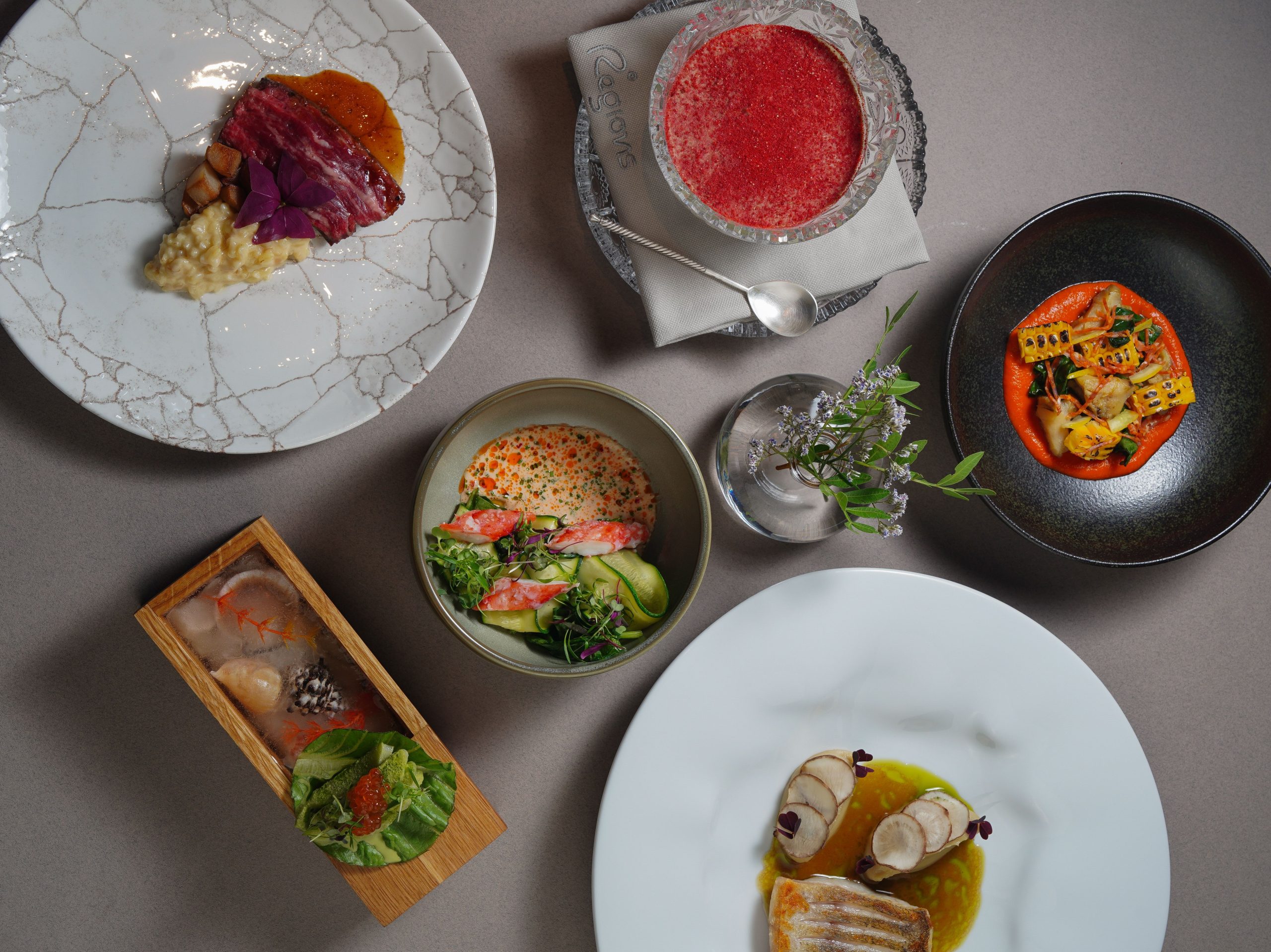
The cost of a Michelin star: The lights and shadows of a Michelin star
In gastronomy, a Michelin star is the pinnacle of prestige: it validates culinary artistry, attracts the global spotlight, and fills up waiting lists. However, behind the glamour lies a financial paradox, as obtaining and retaining this award completely alters a restaurant's economics and puts severe pressure on its cash flow. At first glance, greater media attention should mean higher revenues, but in fine dining, increased sales rarely translate into net margins. To keep the star, establishments must elevate their standards to obsessive levels, which often inflates operating costs. The first challenge is staff. We are talking about specialized sommeliers, highly technical chefs de partie, and a much higher chef-to-table ratio than usual. Attracting and retaining this talent requires significant investment, which shrinks profit margins. Added to this is quality control. Inspectors anonymously evaluate consistency and technique. To meet this rigor, restaurants must use premium ingredients, minimize waste, and constantly upgrade equipment and tableware. Because of this, several chefs have questioned or even returned their awards. Menu price increases rarely offset the surge in fixed costs. Some restaurants suffer operating losses after being awarded, trapped in luxury expectations that choke profitability. The star is a magnet for attracting customers, but it is not an