
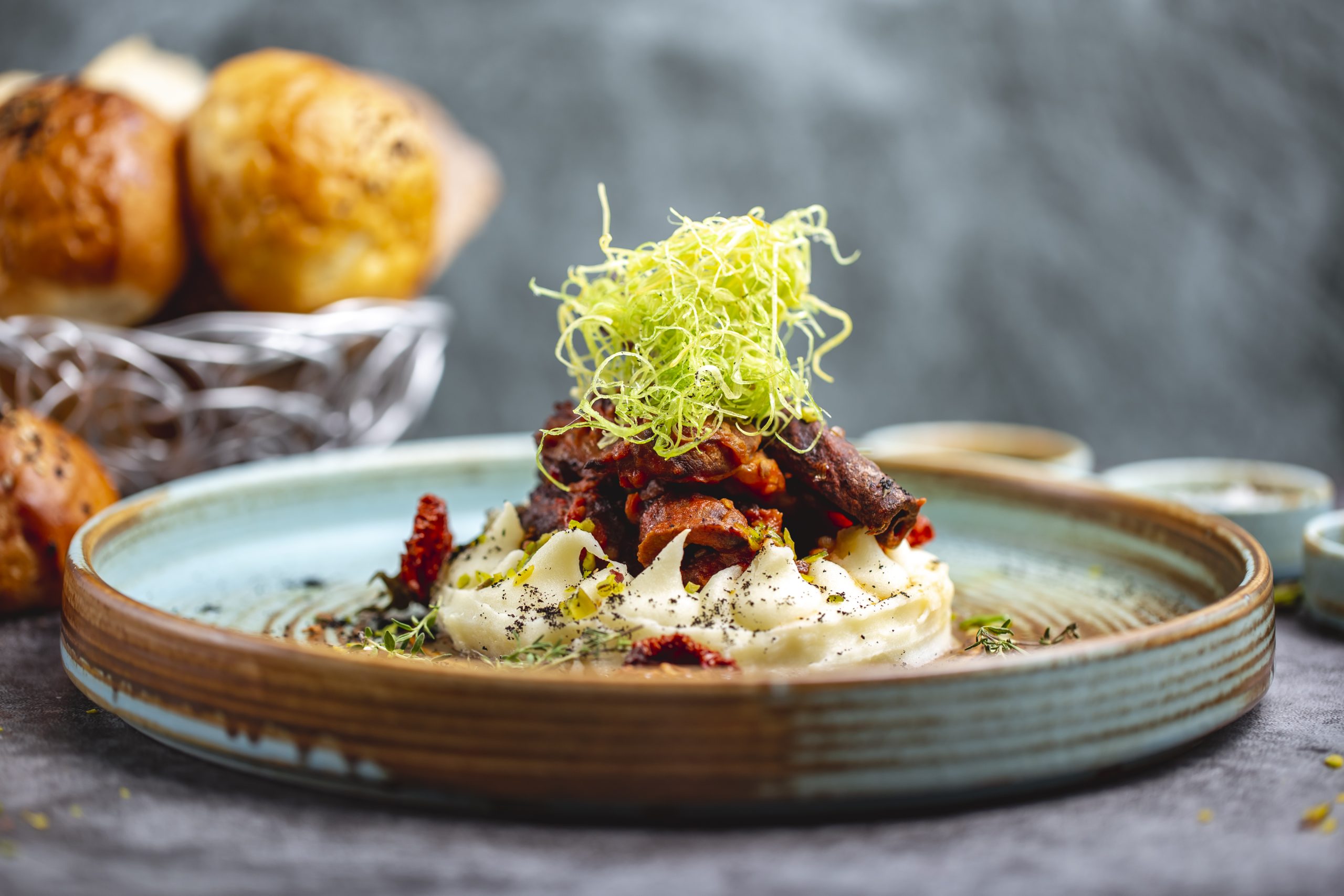
Forgotten Ingredients Returning to Haute Cuisine
In haute cuisine, true value no longer seems to lie solely in technical sophistication or in the world’s most exclusive ingredients, but rather in the ability to reinterpret what was ignored for years. Contemporary gastronomy is beginning to look backward in order to build the future, revaluing local products, traditional recipes, and culinary knowledge that once seemed destined to disappear. In my opinion, this shift reflects something deeper than a passing culinary trend. There is a growing need to reconnect cuisine with territory, memory, and origin. Authenticity —more than rarity— is starting to become a new form of luxury. Mexico offers a particularly interesting example. For decades, many traditional ingredients were pushed aside for economic, aesthetic, or production-related reasons. Native corn varieties, regional beans, quelites, endemic chilies, and ancestral preparations slowly disappeared from everyday life, displaced by monocultures, imports, and systems designed to prioritize volume over identity. However, initiatives led by chefs, producers, and organizations such as WWF —the acronym for World Wide Fund for Nature— and Slow Food have begun reintroducing products such as pasilla mixe chili, arí tarahumara, and native varieties of corn and beans into contemporary culinary proposals. And this is not happening only in Latin America. In Italy, chefs from

Local cuisine: The importance of valuing local products and regional cuisine in a globalized world
In an increasingly interconnected world, where food travels thousands of kilometers to reach our plates, it is essential to remember the importance of local cuisine. This culinary practice is based on using local ingredients and respecting the traditions of each region, generating benefits for both our health and the local economy. With that said, in this article, I would like to explore why it is vital to value local products and how regional cuisine can enrich our gastronomic experiences. Imagine savoring a juicy tomato freshly harvested from the nearby garden, with its authentic flavor and unmatched freshness. Now compare that to an imported tomato, which had to be picked prematurely to withstand long journeys and loses some of its flavor along the way. The difference is palpable. By consuming local food, we not only enjoy more intense and authentic flavors, but also obtain more nutritious and healthier products. Local cuisine is also crucial support for the economy, as choosing local products contributes to the sustainable development of our community, creating employment opportunities, and promoting the preservation of regional culinary traditions. A concrete example of the importance of valuing local products is Manchego cheese, a Spanish gastronomic gem recognized internationally. Made from milk from