
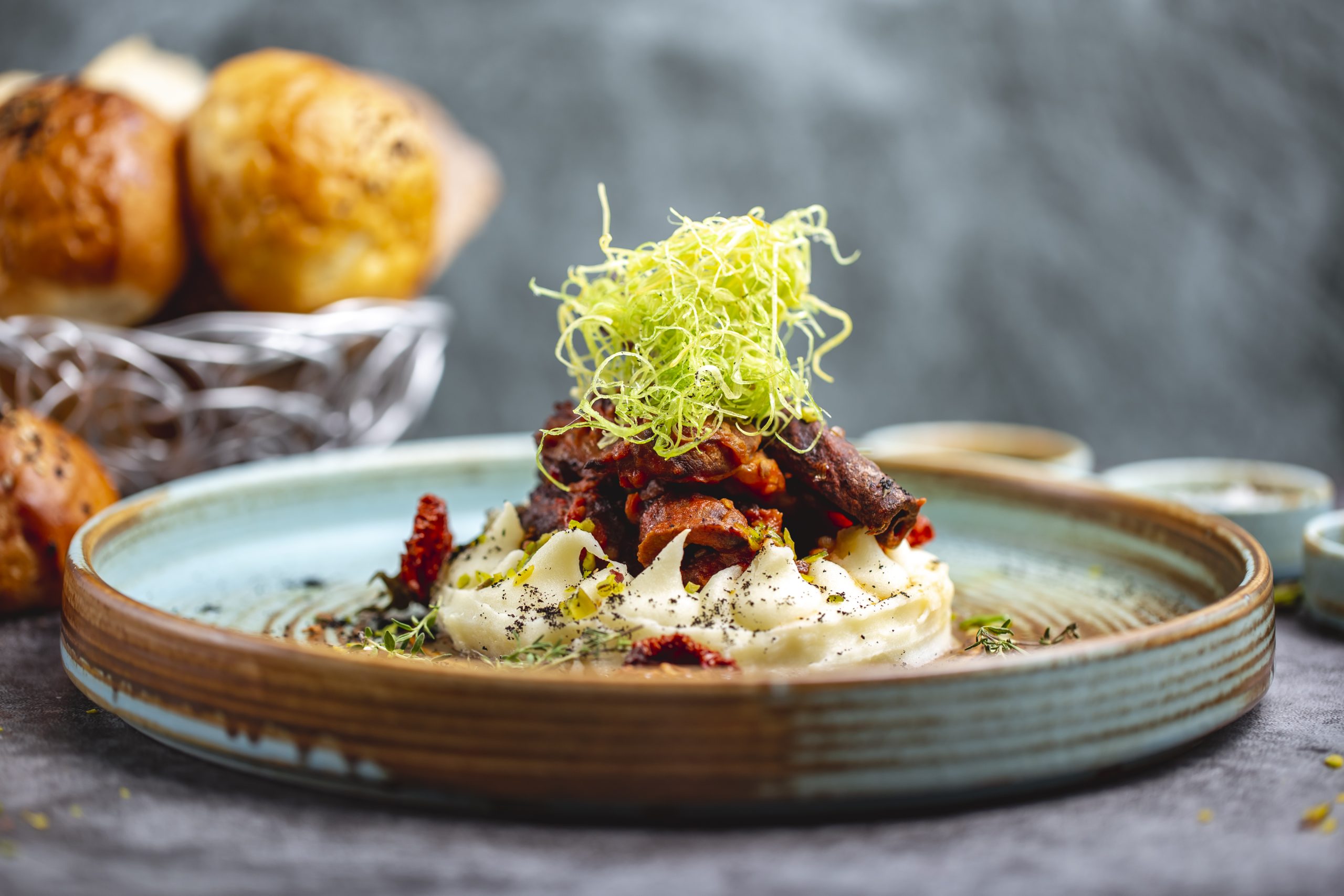
Forgotten Ingredients Returning to Haute Cuisine
In haute cuisine, true value no longer seems to lie solely in technical sophistication or in the world’s most exclusive ingredients, but rather in the ability to reinterpret what was ignored for years. Contemporary gastronomy is beginning to look backward in order to build the future, revaluing local products, traditional recipes, and culinary knowledge that once seemed destined to disappear. In my opinion, this shift reflects something deeper than a passing culinary trend. There is a growing need to reconnect cuisine with territory, memory, and origin. Authenticity —more than rarity— is starting to become a new form of luxury. Mexico offers a particularly interesting example. For decades, many traditional ingredients were pushed aside for economic, aesthetic, or production-related reasons. Native corn varieties, regional beans, quelites, endemic chilies, and ancestral preparations slowly disappeared from everyday life, displaced by monocultures, imports, and systems designed to prioritize volume over identity. However, initiatives led by chefs, producers, and organizations such as WWF —the acronym for World Wide Fund for Nature— and Slow Food have begun reintroducing products such as pasilla mixe chili, arí tarahumara, and native varieties of corn and beans into contemporary culinary proposals. And this is not happening only in Latin America. In Italy, chefs from