
Forgotten Ingredients Returning to Haute Cuisine
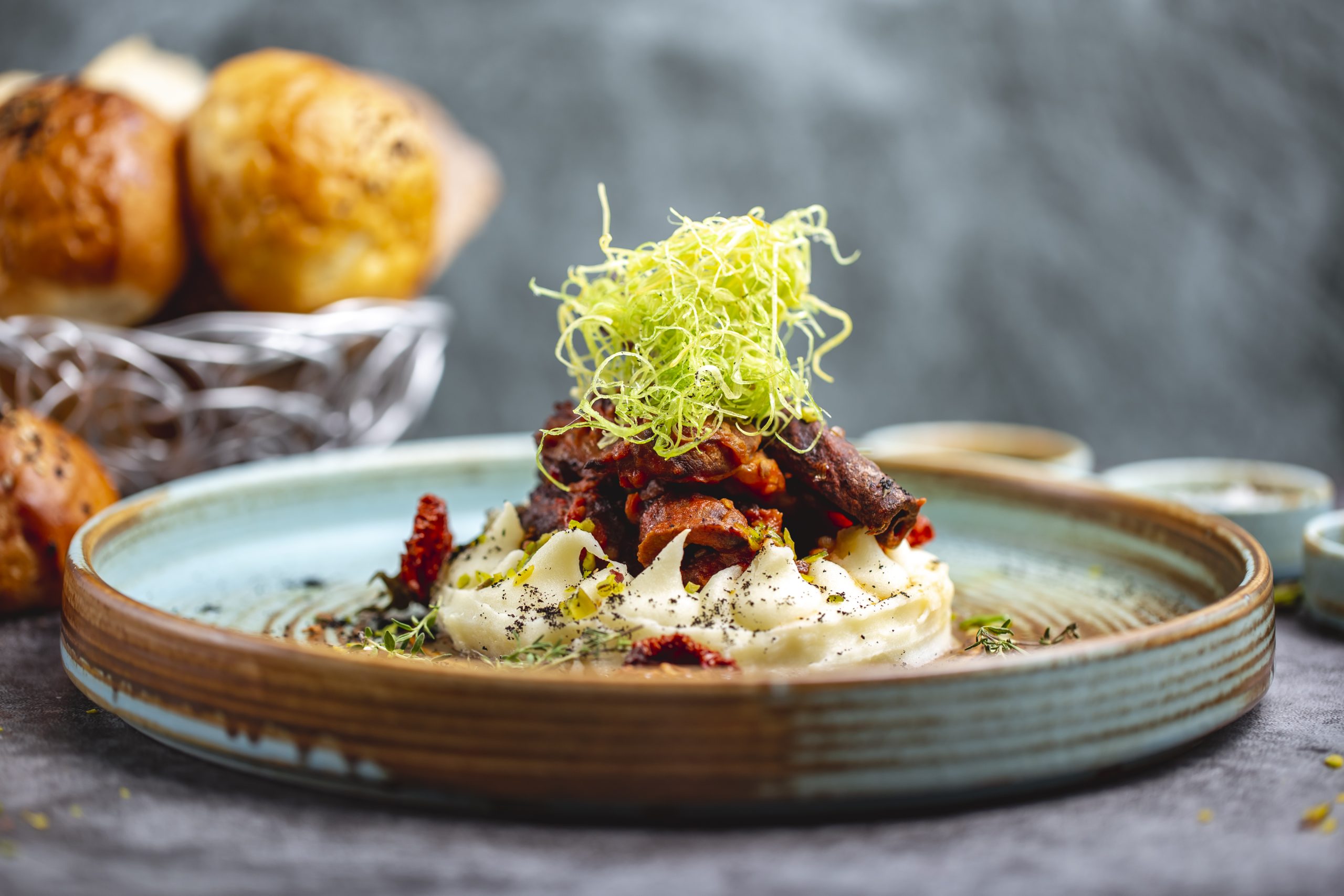
In haute cuisine, true value no longer seems to lie solely in technical sophistication or in the world’s most exclusive ingredients, but rather in the ability to reinterpret what was ignored for years. Contemporary gastronomy is beginning to look backward in order to build the future, revaluing local products, traditional recipes, and culinary knowledge that once seemed destined to disappear. In my opinion, this shift reflects something deeper than a passing culinary trend. There is a growing need to reconnect cuisine with territory, memory, and origin. Authenticity —more than rarity— is starting to become a new form of luxury. Mexico offers a particularly interesting example. For decades, many traditional ingredients were pushed aside for economic, aesthetic, or production-related reasons. Native corn varieties, regional beans, quelites, endemic chilies, and ancestral preparations slowly disappeared from everyday life, displaced by monocultures, imports, and systems designed to prioritize volume over identity. However, initiatives led by chefs, producers, and organizations such as WWF —the acronym for World Wide Fund for Nature— and Slow Food have begun reintroducing products such as pasilla mixe chili, arí tarahumara, and native varieties of corn and beans into contemporary culinary proposals. And this is not happening only in Latin America. In Italy, chefs from
Can AI Create a Michelin-Star Dish?
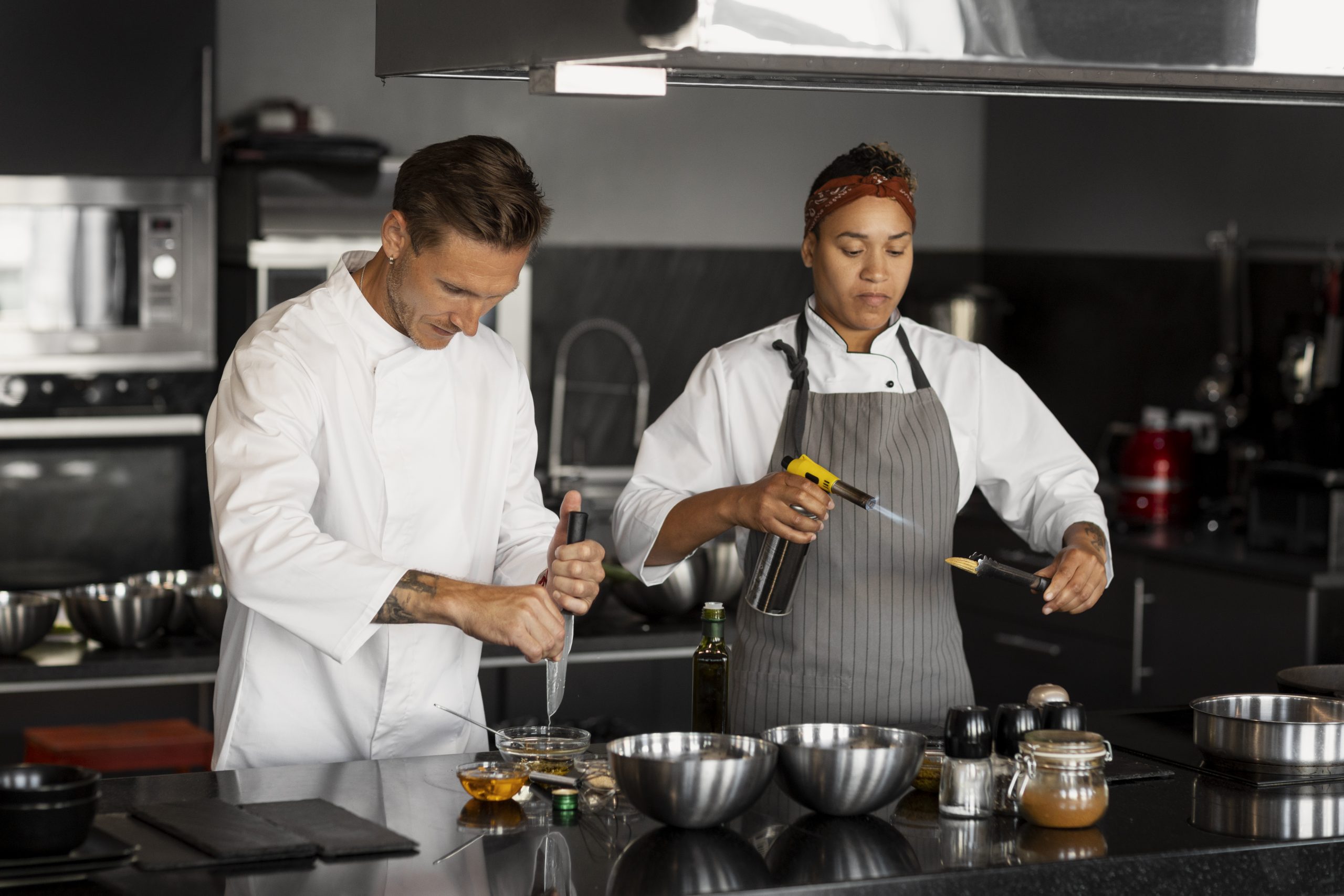
As a gastronomy enthusiast, the kind that is experienced through the senses and awakens a passion that goes far beyond the simple act of eating, I’m deeply intrigued by the role artificial intelligence might play in the kitchens of the future. I know the level of dedication and precision that a fine dining chef pours into every dish. It’s not just about flavor; it’s about story, sensitivity, and technique. That’s why, when I read about restaurants like WOOHOO in Dubai, set to open in 2025 with an AI chef named Chef Aiman, I can’t help but wonder: can an algorithm truly replicate that kind of emotional commitment? Technology has proven to be a powerful ally in driving efficiency and analysis, and in the hands of visionaries like Grant Achatz or Matan Zaken, it’s already being integrated as a creative tool. Achatz, for instance, is experimenting with AI-generated menus developed by fictional “chefs,” while Zaken explores unusual combinations with the help of language models. These are fascinating developments, but still far from replacing human intuition. Can AI pair flavors with childhood memories, or choose a plating that tells a story of origin? Today, I don’t think so. What I do envision, and firmly

From Plate to Passport: The Most Exclusive Culinary Experiences of 2024
Luxury gastronomic tourism is emerging in 2024 as a standout trend, transforming the way travelers experience the world. In a setting where more people are seeking authentic and exclusive experiences, gastronomy becomes the ideal gateway to connect deeply with local culture. For those who value details, luxury tourism offers much more than exceptional dishes; it’s a journey through flavors, stories, and traditions. In iconic destinations like France, Italy, and Japan, dinners at Michelin-starred restaurants are more than a meal: they are carefully orchestrated events that allow visitors to experience the talent and creativity of renowned chefs. This level of exclusivity, where each dish tells a story, is a form of luxury that especially appeals to the curious traveler. Additionally, cooking classes and wine tours provide an opportunity to experience gastronomy in a hands-on and personalized way. In my opinion, this combination of haute cuisine with interactive activities is ideal for those who wish to explore a place with all their senses. Visits to wineries in regions like La Rioja or Napa Valley allow guests to appreciate the art of winemaking, while sustainable gastronomic experiences reflect an increasingly important ethical and environmental commitment in the industry. Luxury gastronomic tourism, with its focus on authenticity
Artificial Intelligence in the Kitchen: How It’s Changing the Future of Gastronomy
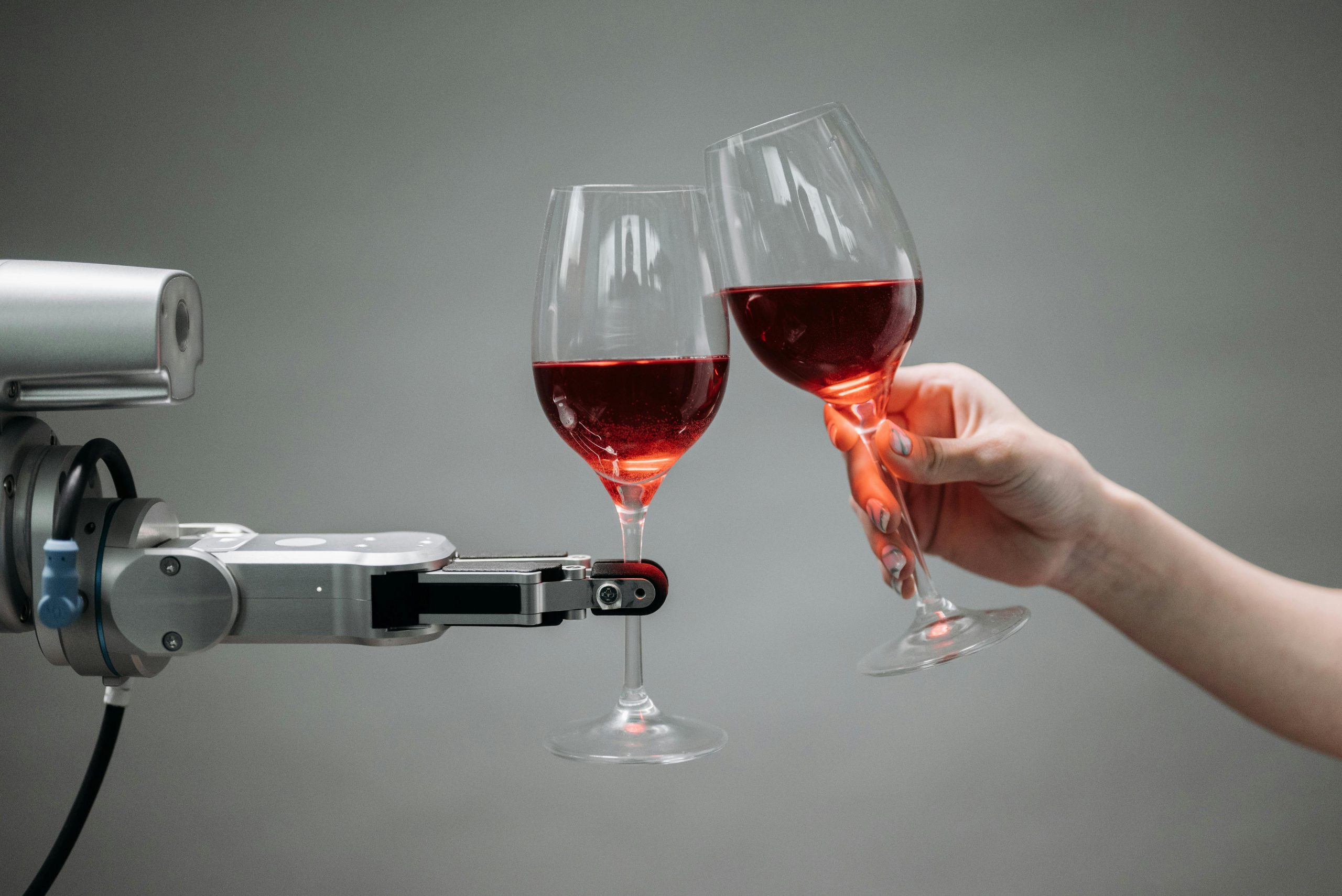
The future of gastronomy is being transformed by artificial intelligence (AI), a change that manifests in multiple ways. From haute cuisine to fast-food restaurants, AI is reshaping how we prepare and experience food. Innovation in Haute Cuisine: Renowned chefs, like Andoni Luis Aduriz of Mugaritz restaurant, are employing AI to create new flavor and texture combinations. Thanks to machine learning algorithms, it's possible to explore unprecedented combinations that enrich gastronomy with innovations and unparalleled culinary experiences. Efficiency in fast cooking: The automation of processes and customization of menu recommendations through self-service kiosks are just a few examples of how AI is enhancing efficiency in fast-food restaurants. Supply chain management and food traceability are also key areas where AI is making a difference, ensuring quality and reducing waste. Cutting-edge cooking techniques: AI has enabled the implementation of advanced techniques like sous vide and low-temperature vacuum cooking. These methods allow for cooking food at precise temperatures, guaranteeing consistent results and intense flavors. Additionally, AI-powered kitchen robots are assisting in complex tasks, facilitating chefs' experimentation with innovative flavors and textures. Personalization of the gastronomic experience: AI is enabling unprecedented customization in the culinary experience. From menus tailored to individual dietary preferences and needs to facial recognition of