

The “Dupe” Phenomenon: Luxury Democratization or Brand Erosion?
Over time, I have come to realize that the value of an object lies not just in its utility, but in what it projects about us. For decades, luxury was defined by distance: it was that which few could possess and many desired. Today, however, that boundary has become blurred. The “dupe” phenomenon—affordable alternatives that replicate the aesthetics of high-end products—has moved from being a whisper in the hallways to a massive market strategy, driven by a Generation Z that prioritizes “smart value” over traditional status.
We are not talking about illegal counterfeits intended to deceive, but something more complex. The “dupe” is a direct response to an informed consumer who no longer buys exclusivity through a logo, but through aesthetics. It is the democratization of an image. Yet, from a business perspective, this poses a critical dilemma: Are we witnessing the opening of high taste to the masses, or the definitive erosion of brand identity?
Brand erosion occurs when perceived value diminishes until a name “no longer means the same thing.” In a market saturated with options, firms today face the challenge of not being diluted in a sea of imitations that, while legal, blur the lines of exclusivity. When an iconic design becomes ubiquitous through budget versions, the scarcity factor—the invisible engine of luxury value—weakens. If the difference between the original and the alternative is reduced solely to the label, luxury faces a crisis of purpose.
This trend has also transformed the role of communication. Today, influencers do not just recommend; they compare textures, scents, and results, sometimes pushing the boundaries of illicit comparative advertising. For brands, ignoring this phenomenon is not an option. The answer does not always lie in litigation, but in relevance. Some companies have chosen to create more accessible lines or implement dynamic pricing, while others—like Apple or Tesla—reinforce their value through technological innovation and a user experience that no “dupe” can replicate.
Ultimately, this phenomenon forces us to ask what we are truly paying for. If luxury can prove that its value resides in craftsmanship, origin, and an impeccable execution that transcends fleeting trends, then the “dupe” is not a threat, but a validator of relevance. Only that which is truly desirable is imitated.
In a world where appearance is increasingly accessible, true distinction returns to what cannot be seen at first glance. Business is no longer just about selling beautiful objects; it is about selling truths and consistency that the mass market cannot imitate. Because efficiency can replicate a form, but only authenticity can sustain a brand over time.

When travel becomes an experience
Today, we are witnessing a transformation in the way people travel. Exploring a destination is no longer limited to touring its main attractions or accumulating photographs; we increasingly seek to get closer to its culture, understand its dynamics, and connect with the people who bring it to life. Travel is starting to be valued not only for the places we visit, but for the experiences we live and what we take away from them. According to The Latam Experiences Traveler report—conducted by Arival and Phocuswright in collaboration with Civitatis—this shift in traveler expectations explains why experiential tourism is establishing itself as one of the key drivers of travel in Latin America, a region where cultural richness and biodiversity offer countless opportunities to discover each destination from a closer, more authentic perspective. From an analytical and business standpoint, this shift responds to a market demand to move beyond generic offerings. In an environment saturated with standardized options, the value proposition for operators, hotel chains, and travel agents no longer rests solely on physical infrastructure or traditional amenities. The competitive edge has shifted toward the ability to curate memorable experiences: from culinary workshops using local ingredients to guided tours led by residents of the

How organic wine went from a niche to market leader
Over time, I have come to realize that real market transformations usually happen in tandem with consumers. They occur when consumer priorities shift quietly yet firmly, forcing an entire value chain to redefine its rules of the game. For decades, the wine industry measured its success through volume, scale, and the ability to standardize flavor across millions of bottles. Today, however, we are witnessing a profound restructuring where authenticity, origin, and respect for the soil have ceased to be romantic rhetoric and become one of the most profitable facets of the sector. The interest in sustainable viticulture goes far beyond a simple marketing stance or an attribute reserved for boutique wineries. It has consolidated into a large-scale financial movement. Market research on the organic wine sector confirms sustained growth, positioning the category as one of the most dynamic commercial drivers within premium beverage consumption. What I find fascinating about this phenomenon is not just the agronomic sophistication it requires—such as eliminating synthetic sulfates, pesticides, and chemical fertilizers—but the reconfiguration of demand. Contemporary consumers seek transparency. They demand to know exactly what is in their glass and the impact that producing that liquid had on the land where it originated. This pursuit has driven
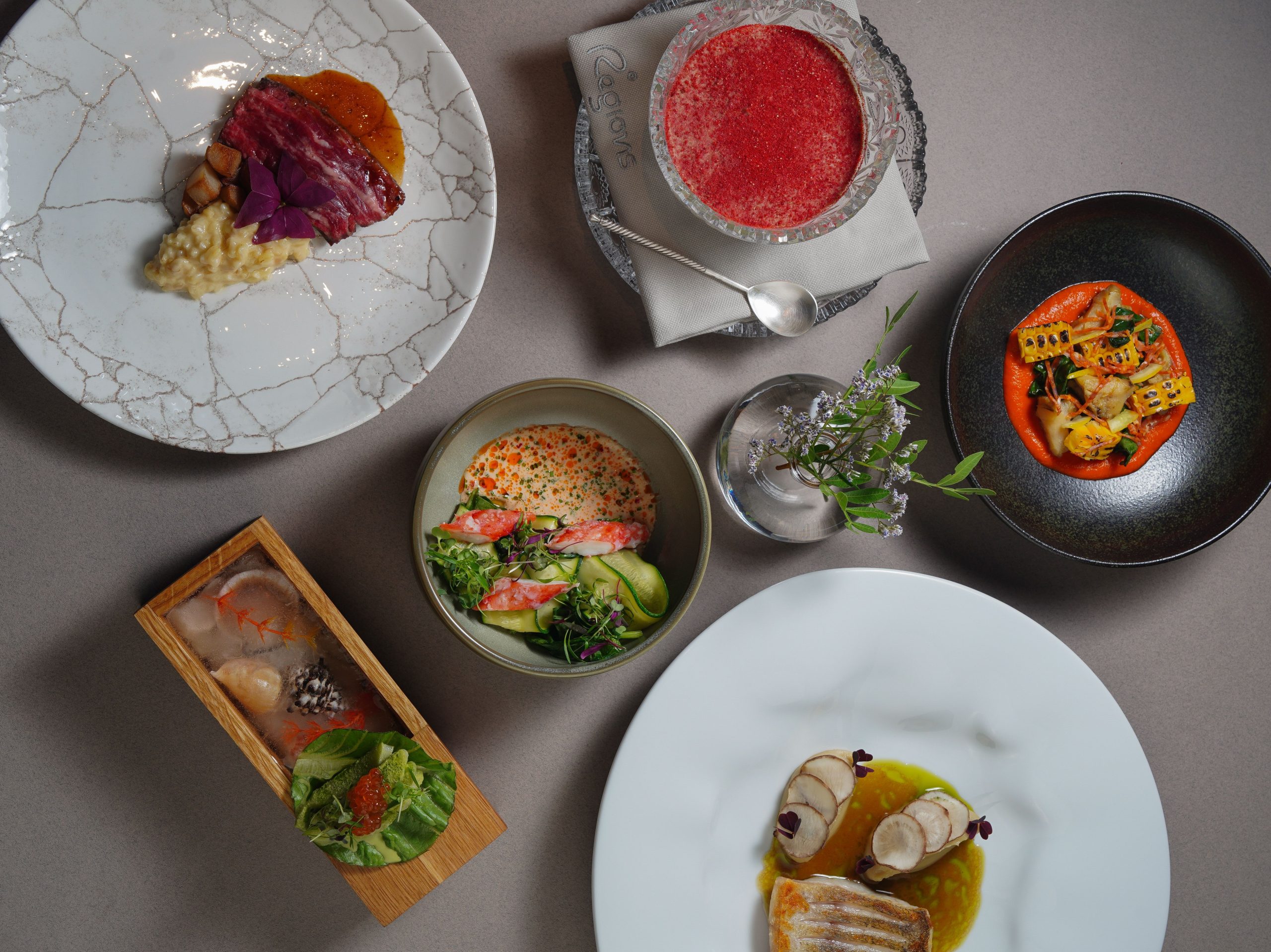
The cost of a Michelin star: The lights and shadows of a Michelin star
In gastronomy, a Michelin star is the pinnacle of prestige: it validates culinary artistry, attracts the global spotlight, and fills up waiting lists. However, behind the glamour lies a financial paradox, as obtaining and retaining this award completely alters a restaurant's economics and puts severe pressure on its cash flow. At first glance, greater media attention should mean higher revenues, but in fine dining, increased sales rarely translate into net margins. To keep the star, establishments must elevate their standards to obsessive levels, which often inflates operating costs. The first challenge is staff. We are talking about specialized sommeliers, highly technical chefs de partie, and a much higher chef-to-table ratio than usual. Attracting and retaining this talent requires significant investment, which shrinks profit margins. Added to this is quality control. Inspectors anonymously evaluate consistency and technique. To meet this rigor, restaurants must use premium ingredients, minimize waste, and constantly upgrade equipment and tableware. Because of this, several chefs have questioned or even returned their awards. Menu price increases rarely offset the surge in fixed costs. Some restaurants suffer operating losses after being awarded, trapped in luxury expectations that choke profitability. The star is a magnet for attracting customers, but it is not an