Why Don’t the Most Desired Brands Make It Easy?
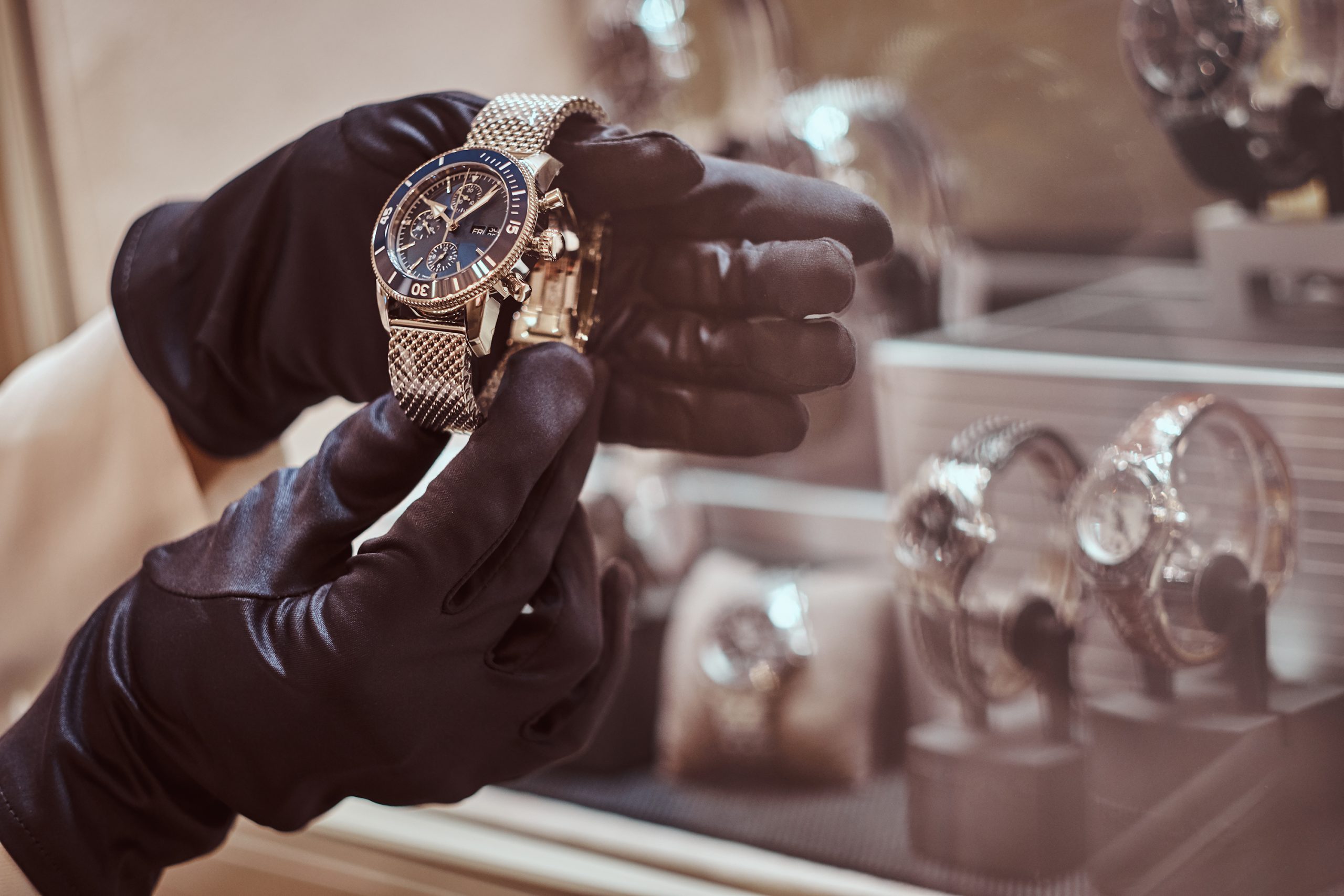
Over time, I have come to understand that our obsession with convenience has stripped value from the journey. For more than a decade, we have been obsessed with operational fluidity: eliminating clicks, shortening wait times, automating interactions, and facilitating transactions to the point where buying something requires less thought than blinking. However, in this race to erase any trace of effort, many companies have ended up erasing what matters most: the emotional memory of the experience. The dominant dogma of "frictionless" promised us a more efficient world, but it forgot a fundamental rule of human psychology: that which costs nothing is rarely valued. When access to a product or service becomes instantaneous and devoid of friction, the transaction turns into a simple utilitarian chore, incapable of generating a sense of belonging, desirability, or long-term loyalty. That is why it is fascinating to observe how capital and the most sophisticated brands are beginning to redesign their processes in the opposite direction. As a deliberate strategic decision, they have started adding intentional barriers, carefully calculated wait times, demanding selection filters, or buying experiences that require active commitment from the customer—this is the architecture that sustains perceived value. Consider, for a moment, the high-end firms that
The “Dupe” Phenomenon: Luxury Democratization or Brand Erosion?
Over time, I have come to realize that the value of an object lies not just in its utility, but in what it projects about us. For decades, luxury was defined by distance: it was that which few could possess and many desired. Today, however, that boundary has become blurred. The "dupe" phenomenon—affordable alternatives that replicate the aesthetics of high-end products—has moved from being a whisper in the hallways to a massive market strategy, driven by a Generation Z that prioritizes "smart value" over traditional status. We are not talking about illegal counterfeits intended to deceive, but something more complex. The "dupe" is a direct response to an informed consumer who no longer buys exclusivity through a logo, but through aesthetics. It is the democratization of an image. Yet, from a business perspective, this poses a critical dilemma: Are we witnessing the opening of high taste to the masses, or the definitive erosion of brand identity? Brand erosion occurs when perceived value diminishes until a name "no longer means the same thing." In a market saturated with options, firms today face the challenge of not being diluted in a sea of imitations that, while legal, blur the lines of exclusivity. When an