
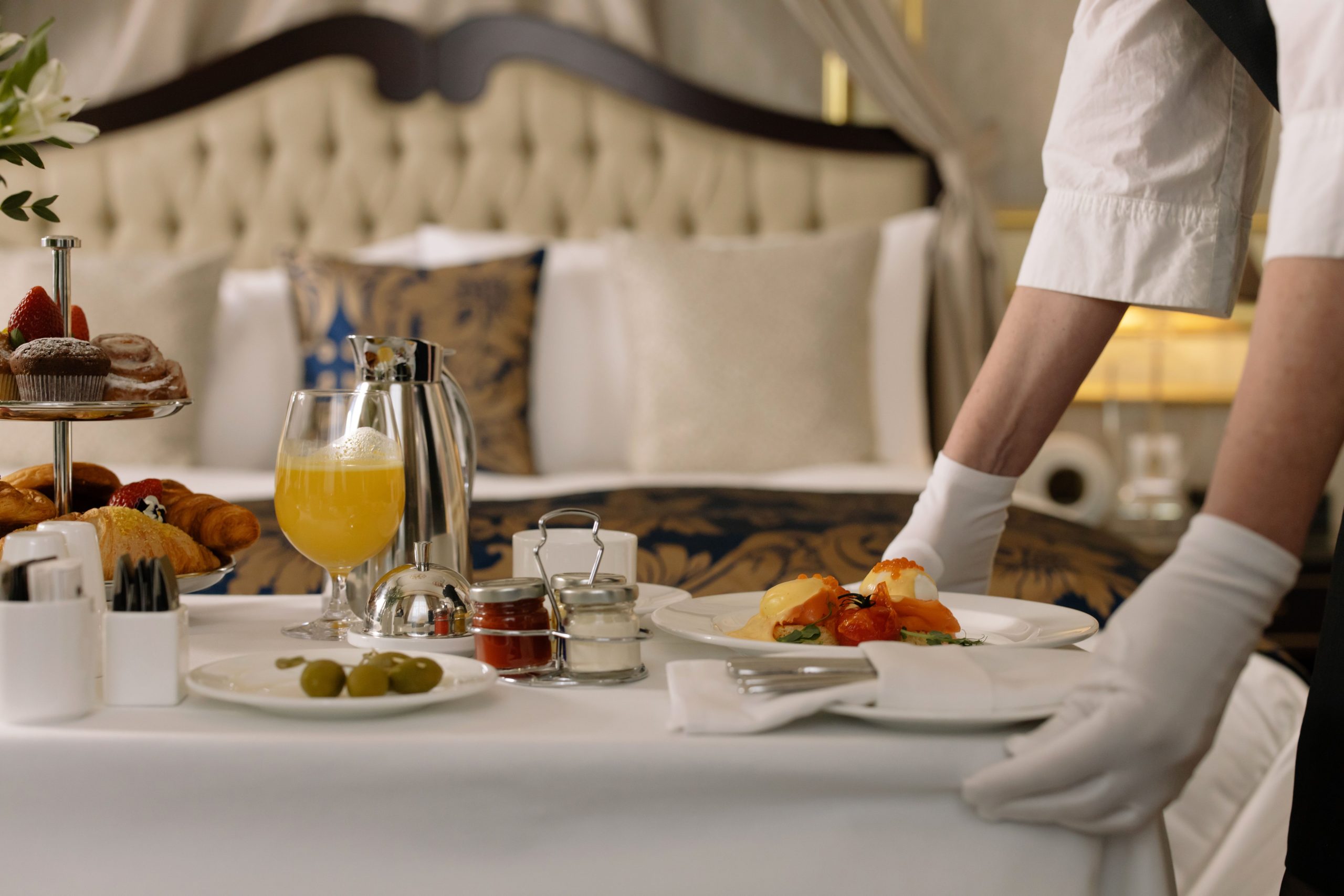
Why operational efficiency is the new luxury in hospitality
Over time, I have come to understand that true luxury in hospitality lies in the efficiency of the processes that exceed guest expectations. We have been trained to admire the surface: the lobby's marble, the infinity pool, or the designer furniture. However, in today's hotel business, this fixation on the facade is beginning to show its cracks. A resort can be a visual masterpiece, but if the service stumbles during delivery, if wait times fracture the experience, or if internal logistics are a silent chaos, the aesthetics become an empty promise. Today, the real profitability of premium projects is shifting toward the robustness of their digital infrastructure. Investing in automation and streamlining logistics is the most viable option to secure long-term financial sustainability and guest loyalty. The true differentiator is no longer just the decor; it is the commitment to automating and personalizing services for every single guest. Traditionally, tourism has suffered from an overemphasis on architecture and interior design. It is often assumed that the initial visual impact is enough to justify high rates. But the luxury guest in 2026 is more demanding and less prone to forgiving operational failures. A beautifully designed lobby is useless if the check-in process takes
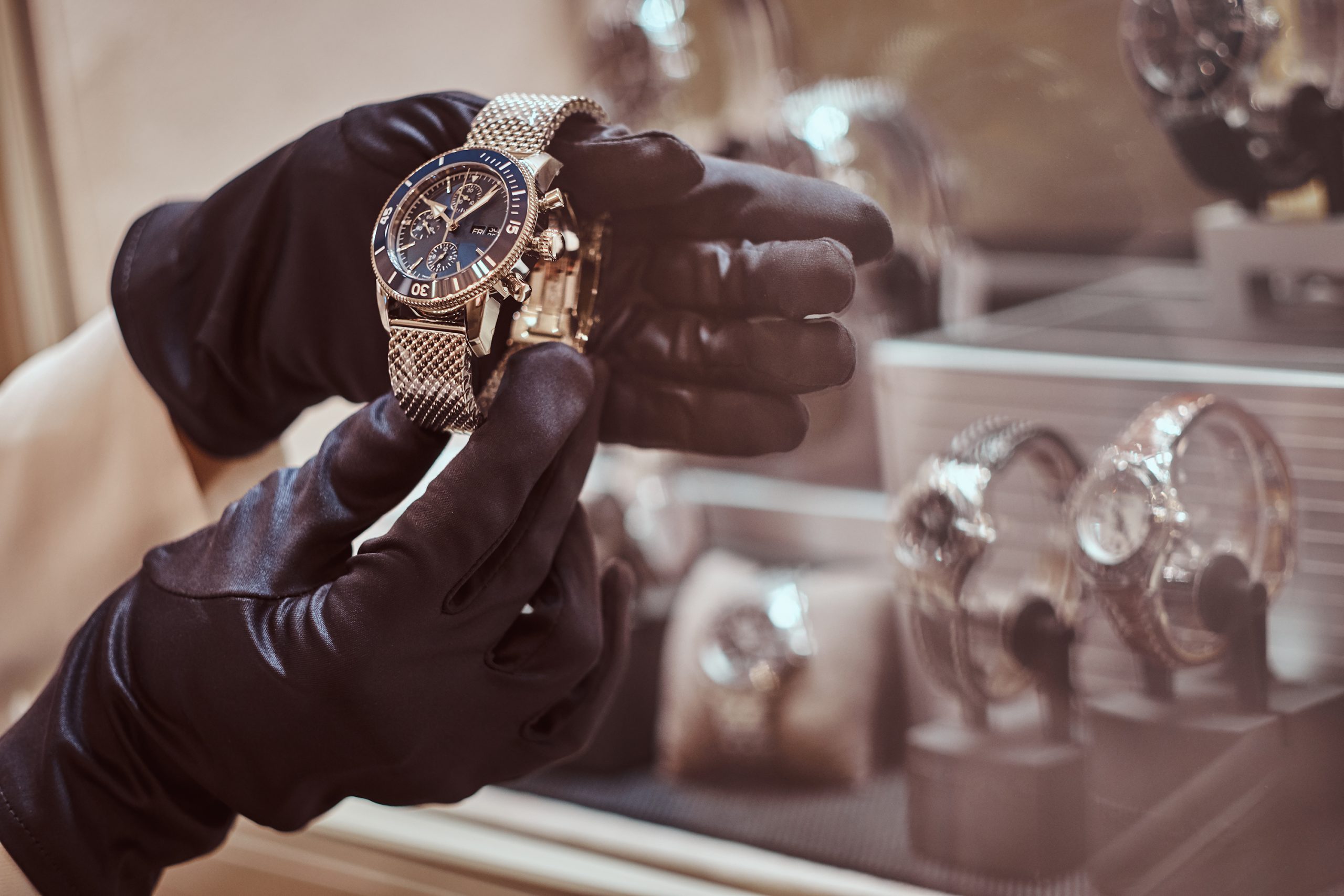
The “Dupe” Phenomenon: Luxury Democratization or Brand Erosion?
Over time, I have come to realize that the value of an object lies not just in its utility, but in what it projects about us. For decades, luxury was defined by distance: it was that which few could possess and many desired. Today, however, that boundary has become blurred. The "dupe" phenomenon—affordable alternatives that replicate the aesthetics of high-end products—has moved from being a whisper in the hallways to a massive market strategy, driven by a Generation Z that prioritizes "smart value" over traditional status. We are not talking about illegal counterfeits intended to deceive, but something more complex. The "dupe" is a direct response to an informed consumer who no longer buys exclusivity through a logo, but through aesthetics. It is the democratization of an image. Yet, from a business perspective, this poses a critical dilemma: Are we witnessing the opening of high taste to the masses, or the definitive erosion of brand identity? Brand erosion occurs when perceived value diminishes until a name "no longer means the same thing." In a market saturated with options, firms today face the challenge of not being diluted in a sea of imitations that, while legal, blur the lines of exclusivity. When an

Big Results, Quiet Approach: What I’ve Seen Working Today
In today’s era of digital saturation, we’re constantly bombarded with ads, from social media and billboards to emails and push notifications. Instead of helping brands connect with people, this overwhelming noise often has the opposite effect. It exhausts audiences, and in many cases, leads to rejection. It feels like many brands are still focused on being the loudest in the room, rather than delivering real value. That’s where a different kind of strategy starts to make a difference, one that doesn’t rely on being loud, but on being real. These brands focus on authenticity and meaningful connection, often influencing us without even trying. Rather than chasing attention, they choose to be present in a quieter, more intentional way, earning trust, encouraging word-of-mouth, and paving the way for sustainable, lasting growth. You’ve probably experienced this, without noticing it, when you recommend a travel spot or a great restaurant to a close friend or family member. That kind of personal recommendation is the engine that drives this form of “quiet marketing.” One example I find fascinating in the travel space is Selina Hostels, a hotel chain that caters to young travelers and digital nomads. They’ve built a global brand without relying on traditional advertising. Instead,