

Off-the-Radar Cities Becoming the New Protagonists
When we think of tourism, we often picture major capitals and iconic destinations. Yet, as a curious traveler and trend observer, I find it fascinating to see how many so-called “secondary” cities — places that aren’t the main focus of their countries — are starting to take center stage. These destinations remind us that tourism not only drives local economies, but also changes how we live, connect, and experience authentic cultures.
In recent years, two key forces have fueled this phenomenon: overtourism — the saturation of destinations such as Rome, Florence, or Venice — and the rise of slow travel. More and more travelers seek to avoid crowds and discover genuine, affordable experiences. This shift has led to new favorites such as Bologna, Perugia, and Catania in Italy; Porto (Portugal), Quebec (Canada), Kyoto (Japan), and Quito (Ecuador); or even U.S. cities like Asheville (North Carolina) and Milwaukee (Wisconsin). The same desire for authenticity is evident in Asia, where destinations like Chiang Rai (Thailand) and Fukuoka (Japan) offer serenity, culture, and distinctive local flavors.
Take Ghent, Belgium, for example. Once considered merely a stop between Brussels and Amsterdam, it has become a must-visit for its mix of historic canals, art festivals, and vibrant gastronomy. Its success goes beyond clever marketing — it lies in the way the city integrates its rich history with contemporary initiatives to attract travelers in search of sustainable and authentic escapes.
In Italy, many travelers are saying “arrivederci, Rome” and “buongiorno, Bologna” or “ciao, Perugia.” While Florence and Venice remain magical, Bologna enchants visitors with its endless porticoes, Perugia captivates with its medieval heritage, and Catania — nestled at the foot of Mount Etna — offers a lively contrast between baroque architecture and street culture.
In Asia, Chiang Mai represents the evolution of a destination. Although Bangkok is still Thailand’s main gateway, Chiang Mai’s creativity — from its craft markets and temples to its traditional festivals — attracts those seeking a more local experience. Further north, Chiang Rai surprises visitors with its contemporary temples and tribal communities, while in Japan, Fukuoka blends samurai history, modern cafés, and beaches just minutes from the city center. Kyoto, though well known, continues to serve as a more tranquil, cultural alternative to Tokyo’s intensity.
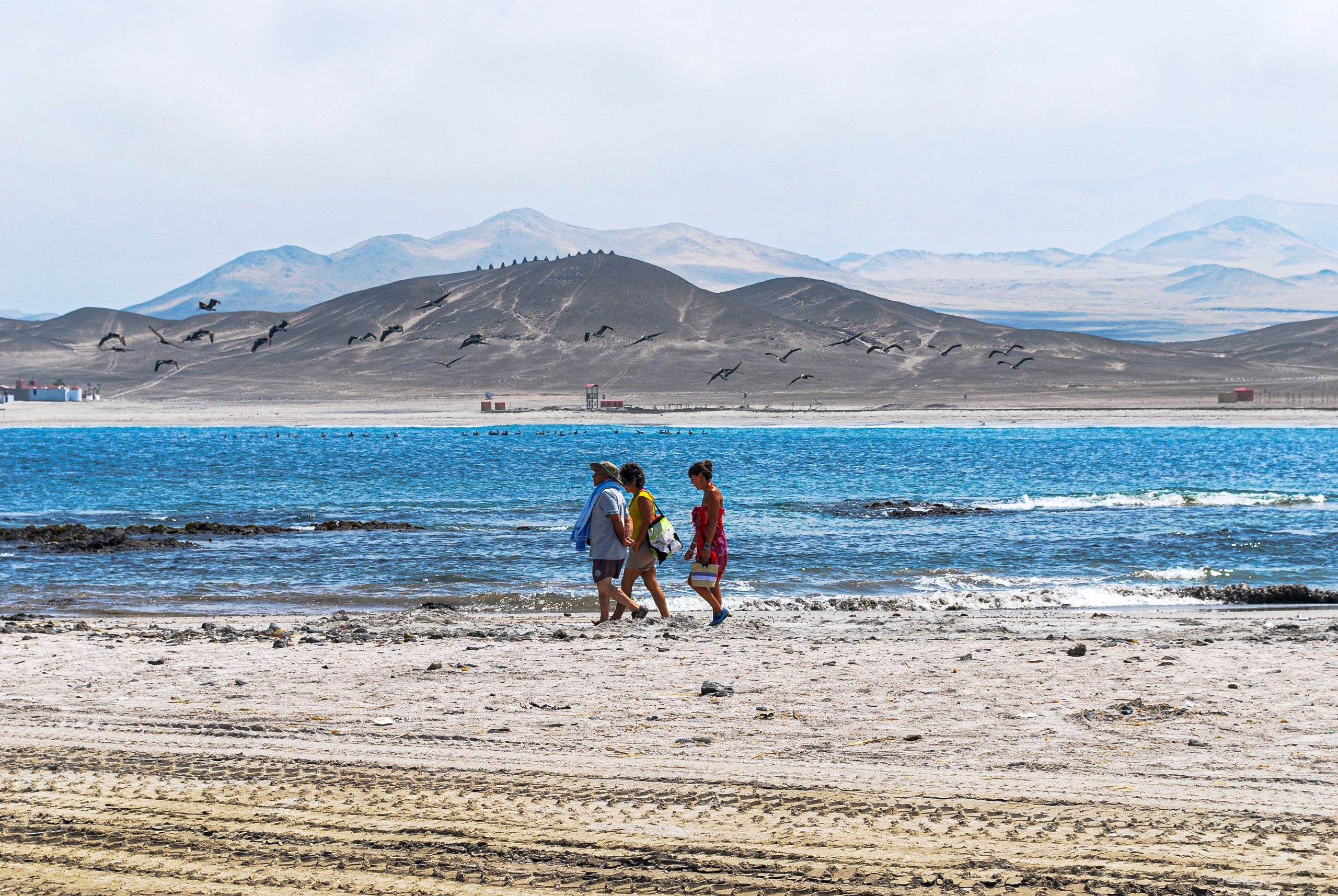
Across Latin America, the same shift is taking shape. Valparaíso, Chile dazzles with its urban art, heritage, and sweeping Pacific views. Walking through its hills is like feeling the creativity of its residents come alive on every mural. In Colombia, Popayán remains a colonial treasure where gastronomy and tradition connect us to the essence of the Andes. Quito, Ecuador combines its UNESCO-listed historic center with a growing cultural scene, while Mérida, Mexico blends Mayan heritage with a modern, vibrant way of life.
What’s interesting about these emerging cities is that their appeal goes far beyond tourism campaigns. In the industry, experts refer to the “Five A’s”: availability (of hotels, restaurants, and cultural venues that are often overcrowded in major hubs); attention (personalized service from residents and local authorities who value each visitor); accessibility (smaller airports, walkable centers, and lower transport costs); affordability (reasonable lodging and dining prices); and authenticity (the chance to experience local culture directly, without mass tourism).
Moreover, slow travel encourages exploring at a more mindful pace. According to Hilton’s 2025 Trends Report, less crowded destinations such as Sardinia and Bodrum have seen visitor increases ranging from 90 % to 150 %, largely from the United States, Ireland, and the United Kingdom. This trend shows that travelers are increasingly drawn to local, sustainable, and community-driven experiences that leave a positive footprint.
As both an observer and participant in this transformation, I find it inspiring to see how these off-the-radar cities are reshaping the global tourism map. They are proving that growth isn’t always about size or fame, but about the quality of the experiences they offer and their ability to create well-being for local communities. Traveling to these destinations broadens our perspective on the world and reminds us that true luxury lies in authenticity — in spontaneous encounters, local flavors, and the quiet beauty of what remains to be discovered.

How climate change is rewriting the luxury traveler’s itinerary
There was a time when the prestige of a trip was measured by the immediacy of its recognition—being on the Amalfi Coast in August, in Santorini at sunset, or on the crowded beaches of Ibiza. Today, that model of the "viral destination" is beginning to show deep cracks. True status no longer seeks the overcrowded plaza; it seeks refuge. Overcrowding has drained the substance from iconic destinations, turning them into exhausting backdrops where the experience is diluted among crowds and cameras. Those seeking genuinely premium tourism are recalibrating their coordinates. As McKinsey & Company's The State of Tourism and Hospitality report points out, there is a structural and sustained shift away from the crowds. The study grounds a growing demand for deliberately secluded destinations—lesser-visited places that offer something money previously didn't need to buy: space, silence, and near-absolute privacy. Anticipating this need, the industry is already using predictive technologies to map the desires of a traveler longing for total disconnection. Yet privacy is not the only driver of this shift; the new geography of luxury is inexorably being dictated by the thermometer. Intense heatwaves punishing traditional destinations in Southern Europe and the Caribbean are driving what we might call "latitude tourism." Thermal
When travel becomes an experience
Today, we are witnessing a transformation in the way people travel. Exploring a destination is no longer limited to touring its main attractions or accumulating photographs; we increasingly seek to get closer to its culture, understand its dynamics, and connect with the people who bring it to life. Travel is starting to be valued not only for the places we visit, but for the experiences we live and what we take away from them. According to The Latam Experiences Traveler report—conducted by Arival and Phocuswright in collaboration with Civitatis—this shift in traveler expectations explains why experiential tourism is establishing itself as one of the key drivers of travel in Latin America, a region where cultural richness and biodiversity offer countless opportunities to discover each destination from a closer, more authentic perspective. From an analytical and business standpoint, this shift responds to a market demand to move beyond generic offerings. In an environment saturated with standardized options, the value proposition for operators, hotel chains, and travel agents no longer rests solely on physical infrastructure or traditional amenities. The competitive edge has shifted toward the ability to curate memorable experiences: from culinary workshops using local ingredients to guided tours led by residents of the

How organic wine went from a niche to market leader
Over time, I have come to realize that real market transformations usually happen in tandem with consumers. They occur when consumer priorities shift quietly yet firmly, forcing an entire value chain to redefine its rules of the game. For decades, the wine industry measured its success through volume, scale, and the ability to standardize flavor across millions of bottles. Today, however, we are witnessing a profound restructuring where authenticity, origin, and respect for the soil have ceased to be romantic rhetoric and become one of the most profitable facets of the sector. The interest in sustainable viticulture goes far beyond a simple marketing stance or an attribute reserved for boutique wineries. It has consolidated into a large-scale financial movement. Market research on the organic wine sector confirms sustained growth, positioning the category as one of the most dynamic commercial drivers within premium beverage consumption. What I find fascinating about this phenomenon is not just the agronomic sophistication it requires—such as eliminating synthetic sulfates, pesticides, and chemical fertilizers—but the reconfiguration of demand. Contemporary consumers seek transparency. They demand to know exactly what is in their glass and the impact that producing that liquid had on the land where it originated. This pursuit has driven