
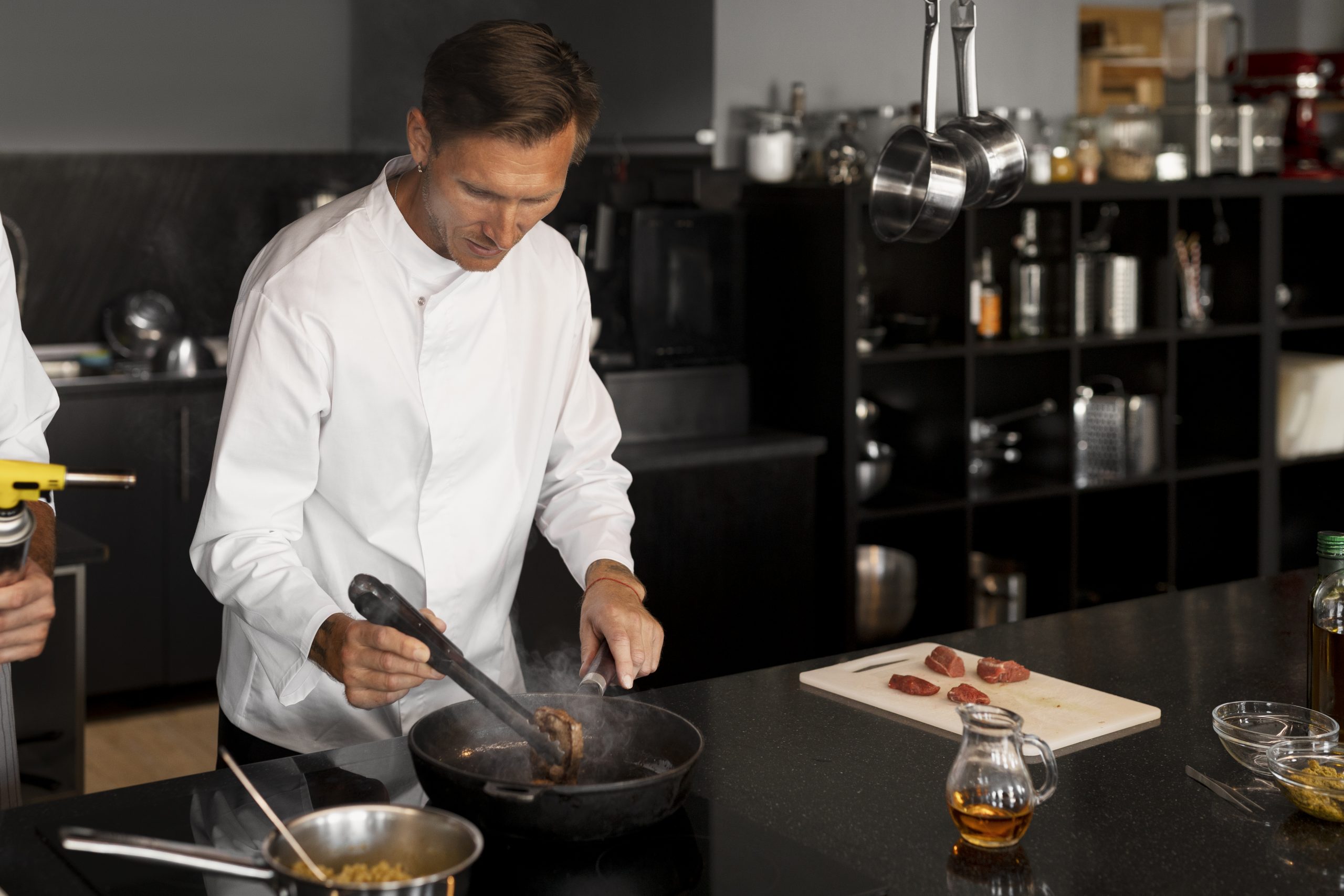
Real Stories that Inspire: How Entrepreneurs Excelled in Gastronomy and Tourism
Behind every successful venture lies a story of vision, resilience, and passion. As an enthusiast of gastronomy and tourism, I am driven by curiosity to discover how projects in these industries are born and evolve. Behind each success there are stories of passion, vision, and effort, and it is precisely that energy that inspires me to closely follow new proposals in the sector. In a world where trends change rapidly and creativity makes all the difference, I am excited to see how some initiatives manage to stand out and create memorable experiences.
A clear example of this is the story of Álvaro Clavijo, who, from Bogotá, has taken his restaurant El Chato to the ranks of the world’s best. What stands out in his proposal is not only technique or international recognition, but how he has managed to project local identity onto global stages, becoming an ambassador of a more creative and sustainable Colombian cuisine. For me, stories like his show that gastronomy, when driven by purpose, has the power to transform realities and open doors beyond the table.
In tourism, there are also examples worth highlighting. I find the journey of Amos Wekesa in Uganda particularly inspiring. Starting with very few resources, he built Great Lakes Safaris, a company that today generates jobs and promotes a model of sustainable tourism in East Africa. Stories like his confirms that tourism can indeed serve as a driver of community development and conservation, when guided by a long-term vision.
Something similar can be seen with Chiamaka Obuekwe in Nigeria, who went from writing a blog to leading Social Prefect Tours, an agency that connects young Africans with their own continent. What strikes me most is how, through group experiences, she has succeeded in promoting domestic tourism and encouraging new generations to rediscover the cultural value of their territories.
In Asia, the experience of Hajar Ali with Urbane Nomads reflects another angle: how luxury travel can have a deeper purpose. From designing original itineraries to launching initiatives that connect travelers with social projects, she shows that even in the most exclusive side of hospitality there is room for innovation and responsibility.
In Europe, I am particularly struck by the vision of Yann Pissenem, one of the creators of the Ushuaïa Ibiza Beach Hotel, which he launched in 2011 together with Fiesta Hotels & Resorts of the Matutes Group. What is remarkable is how he managed to merge hospitality and music into a single concept, bringing to life a space that has become an icon in Ibiza. Through his company The Night League, he has also driven projects like Hï Ibiza, proving that when creativity meets experience, new formats of entertainment can emerge that transcend borders.
All of these stories, though diverse in origin and focus, share something in common: they prove that success in gastronomy and tourism does not rely solely on having a good idea, but on how that idea is brought to life with authenticity, detail, and vision. From restaurants that elevate local talent to tourism projects that generate jobs, conserve ecosystems, or transform the way we experience culture, these are examples that inspire me and remind me why it is so worthwhile to follow closely what is happening in the industries I am most passionate about.

When travel becomes an experience
Today, we are witnessing a transformation in the way people travel. Exploring a destination is no longer limited to touring its main attractions or accumulating photographs; we increasingly seek to get closer to its culture, understand its dynamics, and connect with the people who bring it to life. Travel is starting to be valued not only for the places we visit, but for the experiences we live and what we take away from them. According to The Latam Experiences Traveler report—conducted by Arival and Phocuswright in collaboration with Civitatis—this shift in traveler expectations explains why experiential tourism is establishing itself as one of the key drivers of travel in Latin America, a region where cultural richness and biodiversity offer countless opportunities to discover each destination from a closer, more authentic perspective. From an analytical and business standpoint, this shift responds to a market demand to move beyond generic offerings. In an environment saturated with standardized options, the value proposition for operators, hotel chains, and travel agents no longer rests solely on physical infrastructure or traditional amenities. The competitive edge has shifted toward the ability to curate memorable experiences: from culinary workshops using local ingredients to guided tours led by residents of the

How organic wine went from a niche to market leader
Over time, I have come to realize that real market transformations usually happen in tandem with consumers. They occur when consumer priorities shift quietly yet firmly, forcing an entire value chain to redefine its rules of the game. For decades, the wine industry measured its success through volume, scale, and the ability to standardize flavor across millions of bottles. Today, however, we are witnessing a profound restructuring where authenticity, origin, and respect for the soil have ceased to be romantic rhetoric and become one of the most profitable facets of the sector. The interest in sustainable viticulture goes far beyond a simple marketing stance or an attribute reserved for boutique wineries. It has consolidated into a large-scale financial movement. Market research on the organic wine sector confirms sustained growth, positioning the category as one of the most dynamic commercial drivers within premium beverage consumption. What I find fascinating about this phenomenon is not just the agronomic sophistication it requires—such as eliminating synthetic sulfates, pesticides, and chemical fertilizers—but the reconfiguration of demand. Contemporary consumers seek transparency. They demand to know exactly what is in their glass and the impact that producing that liquid had on the land where it originated. This pursuit has driven
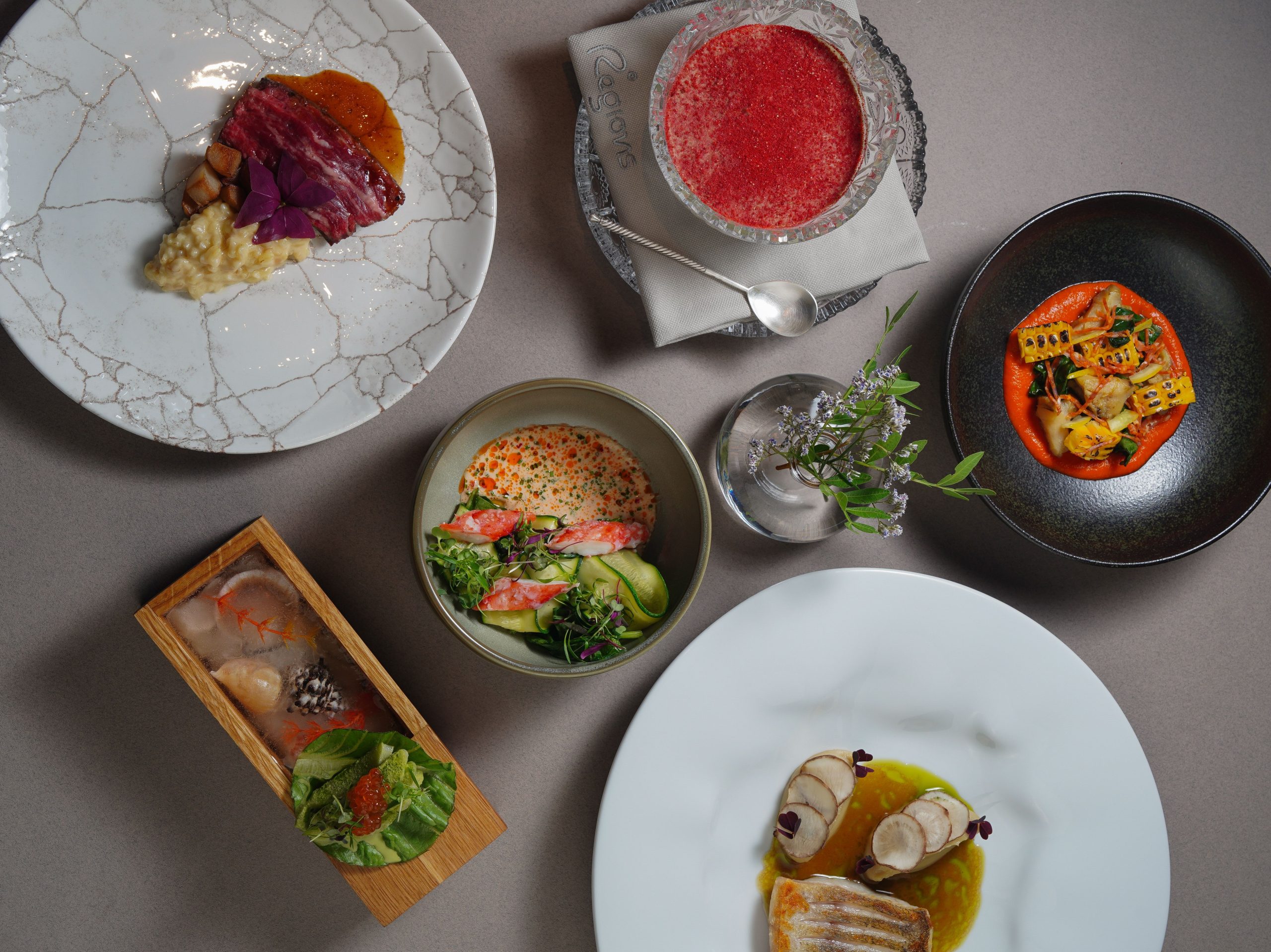
The cost of a Michelin star: The lights and shadows of a Michelin star
In gastronomy, a Michelin star is the pinnacle of prestige: it validates culinary artistry, attracts the global spotlight, and fills up waiting lists. However, behind the glamour lies a financial paradox, as obtaining and retaining this award completely alters a restaurant's economics and puts severe pressure on its cash flow. At first glance, greater media attention should mean higher revenues, but in fine dining, increased sales rarely translate into net margins. To keep the star, establishments must elevate their standards to obsessive levels, which often inflates operating costs. The first challenge is staff. We are talking about specialized sommeliers, highly technical chefs de partie, and a much higher chef-to-table ratio than usual. Attracting and retaining this talent requires significant investment, which shrinks profit margins. Added to this is quality control. Inspectors anonymously evaluate consistency and technique. To meet this rigor, restaurants must use premium ingredients, minimize waste, and constantly upgrade equipment and tableware. Because of this, several chefs have questioned or even returned their awards. Menu price increases rarely offset the surge in fixed costs. Some restaurants suffer operating losses after being awarded, trapped in luxury expectations that choke profitability. The star is a magnet for attracting customers, but it is not an