

Wineries that become tourist destinations
Wine tourism is no longer an experience reserved for experts. Today, thousands of travelers —myself included— look for something beyond a perfectly poured glass: we want to feel the place, meet the people behind each label, and sense how the landscape blends with the wine born from it. I find it fascinating how wineries have evolved from production sites into true travel destinations. In them, wine meets architecture, art, wellness, and gastronomy, creating experiences that stay with you long after the visit. According to the World Tourism Organization, wine tourism is growing at more than 12% per year, driven by those seeking authenticity, connection, and sustainability. Europe: Where Wine and Art Meet Europe remains the starting point of this trend. In Spain, Marqués de Riscal in La Rioja blends history and modernity —its Frank Gehry–designed building looks like a sculpture floating among the vineyards. In Italy, Antinori nel Chianti Classico feels like an underground work of art, where family, architecture, and tradition come together in a single experience. And in France, Château Smith Haut Lafitte takes the concept even further with vinotherapy spas and tours that connect nature, wellness, and wine. What’s most interesting is how these wineries are redefining luxury. It’s no longer

Emerging Latin American Wines Conquering the Global Stage
The world of wine never stops reinventing itself. A few years ago, talking about standout labels would almost always take us to France, Italy, or Spain. Today, however, eyes are turning toward unexpected places. And as a curious wine lover, I find that fascinating. In Brazil, for example, the region of Minas Gerais surprised many at the Decanter World Wine Awards 2025, earning medals few could have imagined. Wines born in a high-altitude tropical climate, crafted with patience and modern techniques, are proving that the country is not only about great coffee and caipirinhas—it can also produce bottles worthy of any fine dining table around the world. Uruguay, long associated with its robust Tannat, is revealing another side. New grape varieties, more refined styles, and bolder proposals are making a strong impression at international competitions. Meanwhile, Bolivia, with its high-altitude vineyards in Tarija, has started winning over judges who once considered the Andes an unlikely setting for world-class wines. The same is happening in countries where winemaking traditions are almost nonexistent. Colombia, with projects in Villa de Leyva, is experimenting in Andean microclimates capable of producing unique wines. Peru, land of pisco, is also introducing labels that are beginning to appear in specialized
Can AI Create a Michelin-Star Dish?
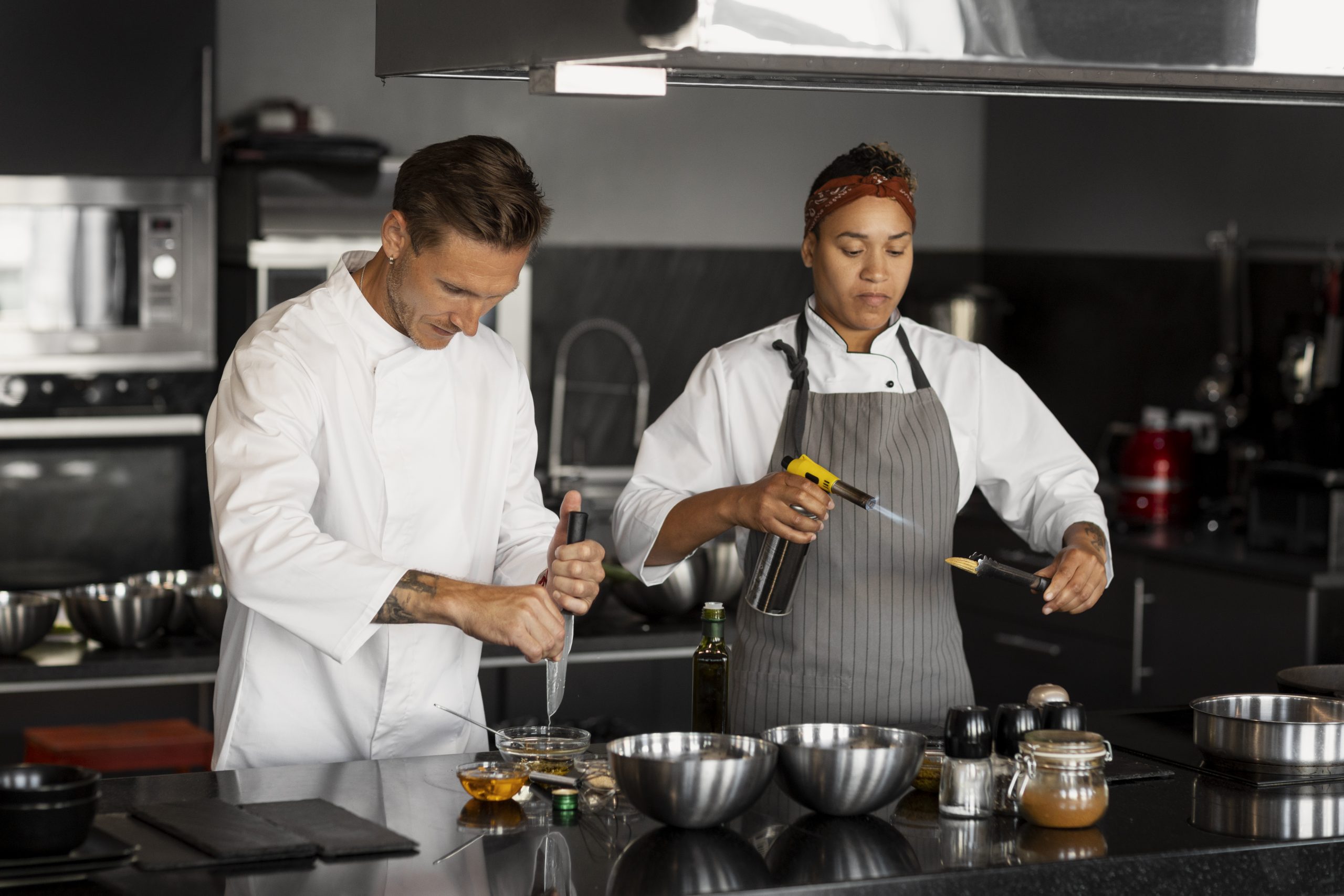
As a gastronomy enthusiast, the kind that is experienced through the senses and awakens a passion that goes far beyond the simple act of eating, I’m deeply intrigued by the role artificial intelligence might play in the kitchens of the future. I know the level of dedication and precision that a fine dining chef pours into every dish. It’s not just about flavor; it’s about story, sensitivity, and technique. That’s why, when I read about restaurants like WOOHOO in Dubai, set to open in 2025 with an AI chef named Chef Aiman, I can’t help but wonder: can an algorithm truly replicate that kind of emotional commitment? Technology has proven to be a powerful ally in driving efficiency and analysis, and in the hands of visionaries like Grant Achatz or Matan Zaken, it’s already being integrated as a creative tool. Achatz, for instance, is experimenting with AI-generated menus developed by fictional “chefs,” while Zaken explores unusual combinations with the help of language models. These are fascinating developments, but still far from replacing human intuition. Can AI pair flavors with childhood memories, or choose a plating that tells a story of origin? Today, I don’t think so. What I do envision, and firmly
New Trends Shaping the Future of Wine in 2025
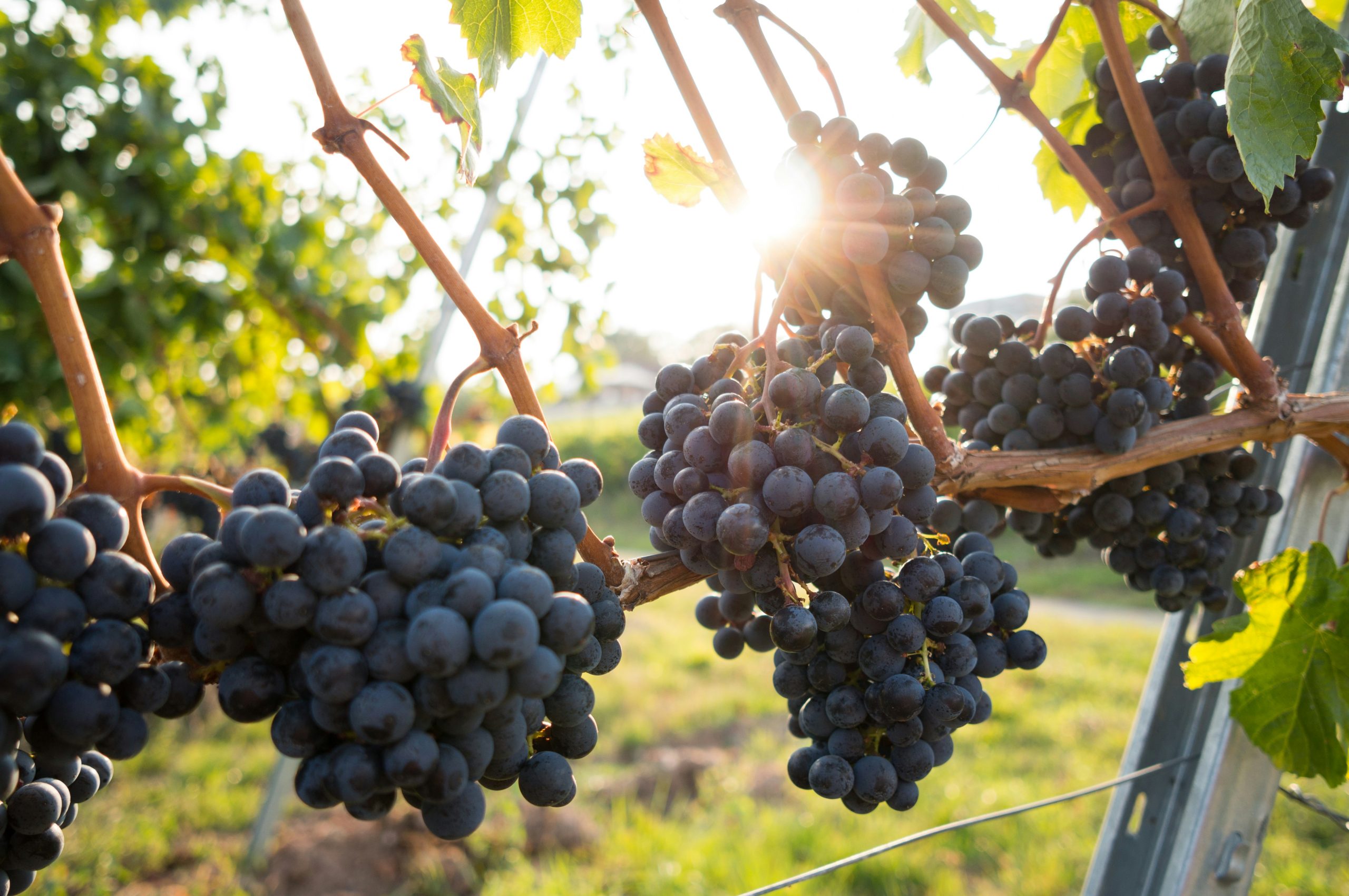
Few industries carry as much cultural legacy as wine, and few are evolving as rapidly. In 2025, wine is undergoing a major transformation. It's becoming more than a beverage; it’s turning into an expression of values: authenticity, wellness, sustainability, and connection. This shift isn’t being driven by the wineries, but by the consumer, increasingly conscious of their impact and surroundings, and now setting the pace for the entire industry. After carefully reviewing the key takeaways from Barcelona Wine Week 2025, here are some of the most important insights: The pursuit of natural wine demands changes in the vineyard and the cellar The growing interest in natural, low-intervention wines is pushing producers to rethink agricultural practices, minimize additives, and embrace greater technical risks. Winemaking without additives isn’t easier, it’s more complex. Wineries pursuing this path must invest in training, tighten hygiene protocols, and learn to work with variability as a natural part of the process. The rise of low-alcohol wine fuels demand for tech innovation Younger consumers are driving demand for healthier, more natural products, including low, or no-alcohol wines. Meeting that demand requires heavy investment in advanced technologies such as vacuum distillation, reverse osmosis, and controlled fermentation. Not every winery can adapt quickly, opening the
Luxury Gastronomy Trends for 2025: Sustainability, Innovation and Unique Experiences
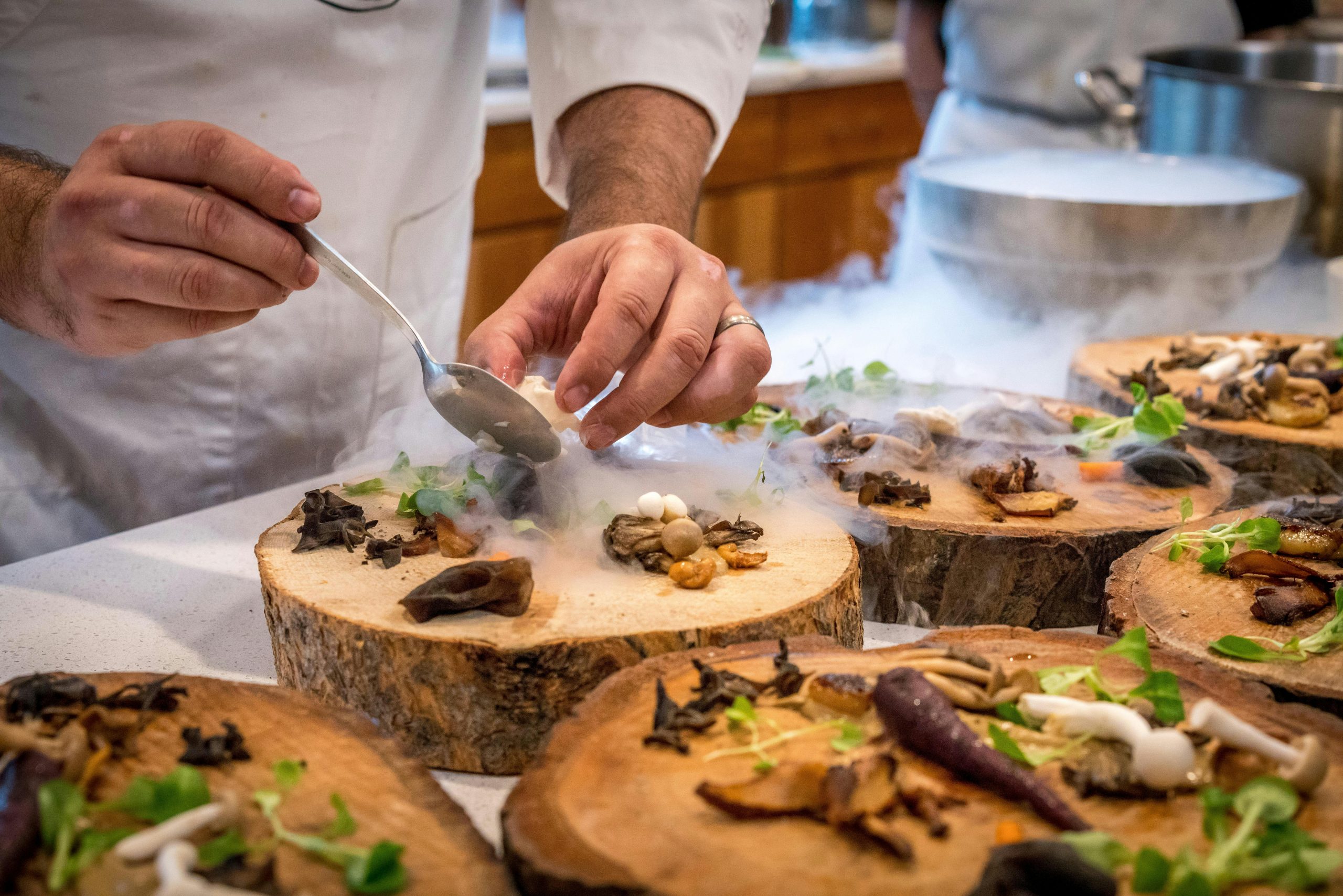
High-end cuisine constantly evolves, and 2025 will consolidate key trends combining sustainability, innovation, and multisensory experiences. Plant-based cuisine is no longer just an alternative, but a standard in fine dining. Renowned chefs are innovating with plant and laboratory proteins, creating sophisticated dishes such as beet tartar with seaweed caviar or mushroom ravioli with black truffle, responding to the growing demand for healthy and sustainable options. SUSTAINABILITY: RESPONSIBLE LUXURY Sustainability is positioned as an essential value in luxury restaurants committed to zero-kilometer cuisine, regenerative agriculture, and reducing food waste. An example of this is Noma, in Copenhagen, which maximizes the use of local ingredients with seasonal menus and fermentation techniques. Technology is also transforming gastronomy, with artificial intelligence, 3D printing, and nanogastronomy to personalize experiences. On the other hand, Sublimotion, in Ibiza, illustrates this revolution with immersive dinners that combine technology and gastronomy in a single show. MULTISENSORIAL EXPERIENCES: GASTRONOMY AS ART Multisensory experiences will be a trend, where ambiance, music, and aromas complement the dishes. Dinner by Heston Blumenthal, in London, offers dinners where food is part of a sensory narrative. Fusion cuisine, meanwhile, continues to grow with the revaluation of ancestral techniques and the incorporation of global flavors. Pujol, in Mexico City, is

The Importance of Building Lasting Connections: An Essential Strategy for Business Growth
Building authentic and strategic connections becomes essential for entrepreneurs with long-term projections. Beyond traditional professional encounters, this process is about intentional, ongoing practice that opens doors to new knowledge, business insights, and exclusive opportunities. Genuine connections with professionals across various sectors not only enrich business vision but also strengthen resilience and adaptability to market changes—crucial aspects for sustained success. In this context, the right connections can become an invaluable source of ideas, innovations, and resources that fuel mutual growth. Moreover, strengthening a professional network requires identifying those with whom to collaborate purposefully along the business journey. This means going beyond immediate contacts to include sectors or profiles that, while different, can be strategically complementary. For many entrepreneurs, this diversity in connections broadens business reach, offers a more holistic perspective, and facilitates access to opportunities that might otherwise be out of reach. Maintaining and adding value to each relationship over time is key to building this network sustainably. The focus is not only on what others can offer but also on how one can contribute meaningfully whether through active listening, supporting shared initiatives, joint projects, or exchanging specialized knowledge.

Financial Technologies (Fintech): The Sector That Continues to Capture Investors’ Attention
As the business world evolves, sectors that manage to adapt and innovate are the ones leading the change. Among these, fintech (financial technology) stands out for its ability to integrate technology with financial services, improving and automating processes that were once complex and manual. From digital payments to investment management and insurance, fintech is revolutionizing the way we interact with money. A recent study by the Inter-American Development Bank (IDB) and Finnovista reveals an impressive growth in fintech in Latin America, with a 340% increase in the number of startups in recent years. Brazil leads the region with 24% of these ventures, followed by Mexico and Colombia. By 2030, fintech is expected to generate up to $1.5 trillion in revenue, a figure that reflects the growing impact of this sector. Globally, fintech investment reached $75.2 billion in 2022, though this represented a 46% decrease compared to 2021. However, investors continue to see this sector as a unique opportunity, driven by market expansion and the rising valuation of these companies. The outlook remains favorable for fintech companies that adapt to business needs and add value through innovation. According to Forbes, startups like DataSnipper have gained prominence. This fintech, which uses artificial intelligence to automate
The Best Cities to Enjoy MICHELIN Restaurants
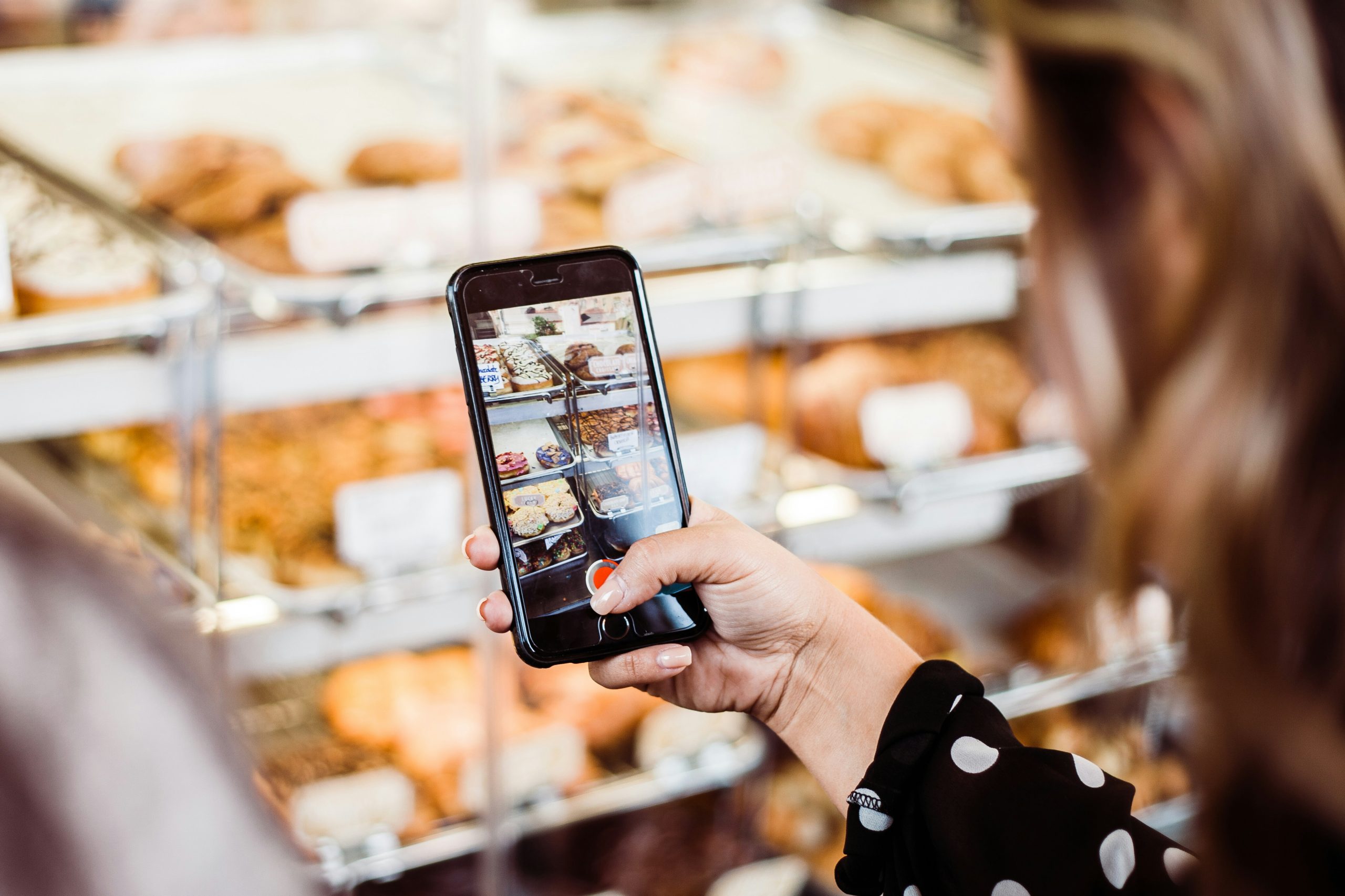
As Confucius once said, “to know how to eat is to know how to live,” a phrase that invites us to appreciate food both for the pleasure of enjoying a great dish and for the nutritional benefits it provides. Without a doubt, eating is a pleasure for many, so much so that the tourism sector has a category dedicated exclusively to it: gastronomic tourism. For travelers, gastronomic tourism is a strong motivation when considering a destination. According to a report by La República, a survey conducted by the travel website Booking revealed that 88% of respondents consider tasting local cuisine as one of the main reasons for choosing a destination. If traveling is on your agenda for the rest of the year, here are some top cities you might consider for a unique culinary experience, as they are renowned for their gastronomic offerings centered around Michelin-starred restaurants, which have gained much popularity. According to the latest figures published last year, Tokyo leads with 200 Michelin-starred restaurants, with ratings ranging from 1 to 3 stars. Following this, 9,706 km away, Paris has 130 Michelin stars. And to not leave it there, I also want to share two restaurants in each destination that, may
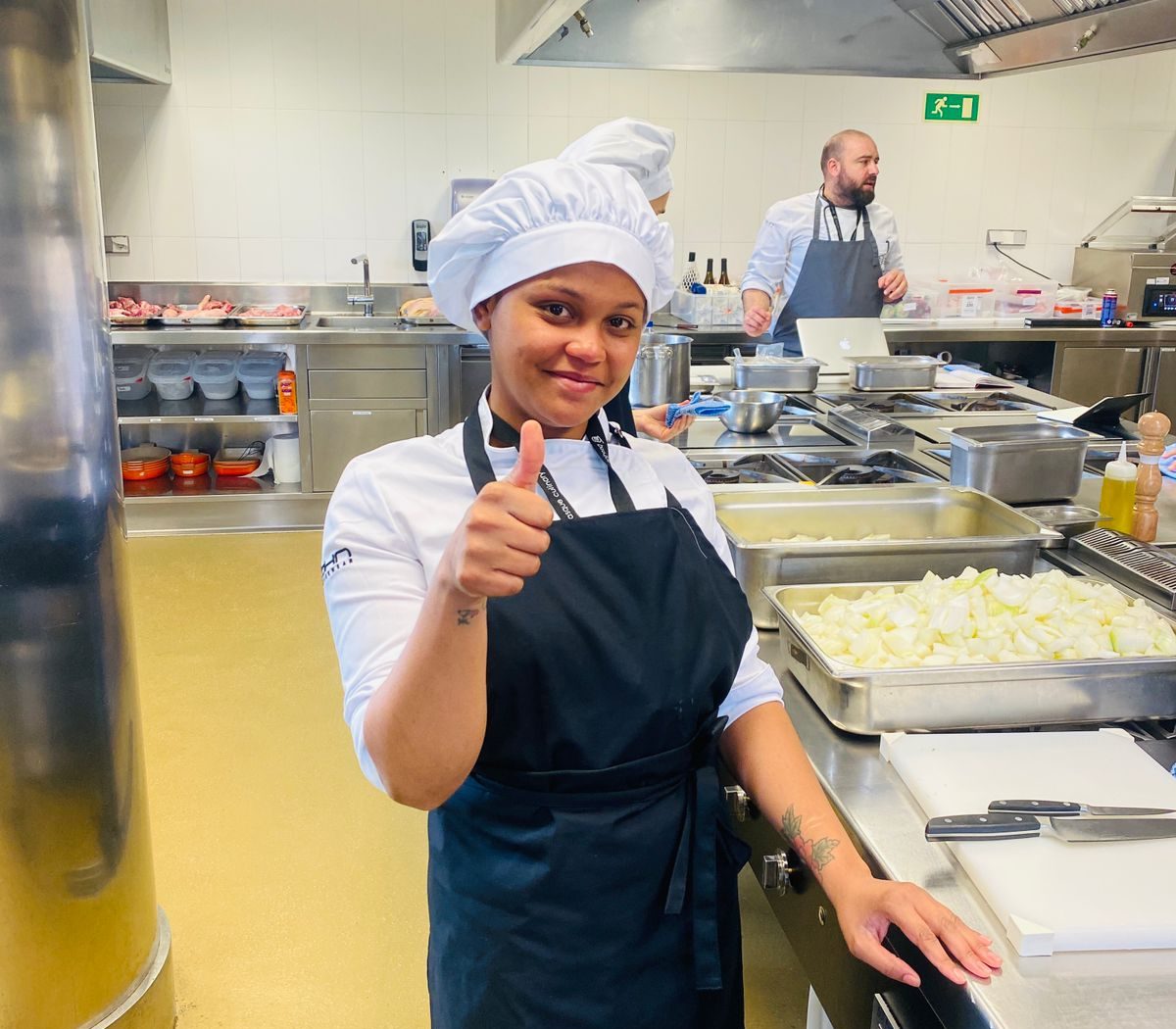
Shaping Culinary Leaders: Katy Paola Rosario and Her Experience at the Basque Culinary Center
Katy Paola Rosario, a young woman brimming with passion and enthusiasm for cooking, has made her mark in the gastronomic world of San Sebastián, Spain. Her talent was recognized when she received a scholarship to the prestigious Basque Culinary Center, thanks to her extraordinary participation in the latest edition of Cocina Creativa. This project, driven in collaboration with the Instituto Nacional de Formación Técnico Profesional (INFOTEP), goes beyond traditional teaching and becomes a true catalyst of opportunities for Dominican youth. For five intense weeks, Katy dedicated herself to improve her culinary techniques, participating in a program that challenges and expands students' skill. Under the guidance of renowned chefs, Katy not only improved her skills but also acquired new techniques that prepare her to face the challenges of the competitive culinary world. Despite the program's intensity, Katy describes her experience as incredible. "I have learned that perseverance, resilience, discipline, and optimism can take us far. Thanks to the teachers who have taught me in this short time

Impact of AI on the Future of Operational Management in Business
I'm sure by now you've heard countless times about the positive impact that artificial intelligence (AI) has when implemented in businesses as a mechanism for innovation and efficiency in operational management. Today, I can tell you that this is only the beginning, so prepare yourself for the coming years when you will continue to hear about this topic and success stories of companies taking advantage of this opportunity and leveraging the advances of this technology. All signs indicate that companies will increase their investment in artificial intelligence in the coming years. A few months ago, La República shared an article on "Artificial Intelligence in Latin America," published by MIT Technology Review. Among the relevant data from the research, it was mentioned that 60% of the companies in the sample started incorporating artificial intelligence in the last three years, and 20% did so in 2023. Furthermore, 71% of the companies recognized that artificial intelligence has enormous potential for their businesses, and those with the most leadership in the field plan to allocate 15% of their technology budget to artificial intelligence in the coming years. A success case where the implementation of artificial intelligence plays a crucial role is Amazon, as reported by The