
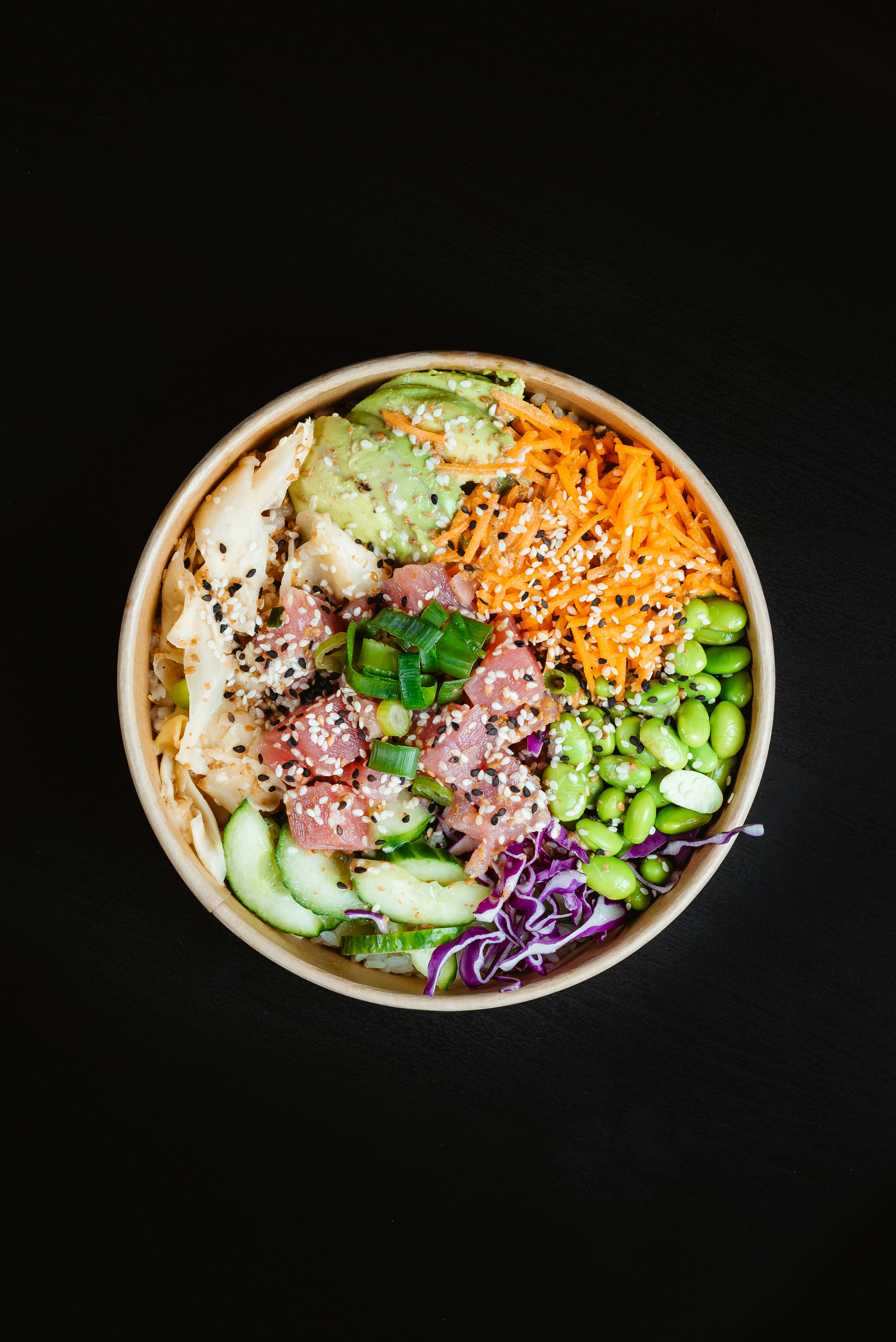
The Rise of Fast Casual: When Eating Well and Speed Go Hand in Hand
The way we choose where to eat has changed dramatically in recent years. In the past, the options seemed straightforward: if we were short on time, we turned to fast food, and if we wanted to enjoy a good meal, we chose a sit-down restaurant where we would likely spend a couple of hours. Between these two extremes, however, an alternative combining the best of both worlds has steadily gained ground—offering quality food, speed, and a practical, hassle-free experience.
As a food enthusiast, I find it fascinating that a restaurant’s success no longer hinges solely on what is on the menu, but also on how frictionless it makes the customer experience. Today, we value being able to eat well without investing hours, placing an order from a smartphone, or simply grabbing takeout on the way home. It is precisely in this space that the fast-casual model has flourished.
While many traditional restaurants face rising operational costs and shifting consumer habits, several fast-casual chains are expanding at an astonishing pace. Brands like CAVA and Dave’s Hot Chicken have hit major expansion milestones, while Chipotle continues to double down on technology and convenience, surpassing 1,500 “Chipotlanes”—drive-thru lanes dedicated exclusively to picking up digital orders.
The intriguing aspect of this growth is that it goes beyond simply opening more locations; it reflects a fundamentally different approach to the restaurant business. Chipotlanes, for instance, allow customers to pick up their food without leaving their cars, cutting down wait times and enabling kitchens to fulfill higher order volumes without degrading the experience of dine-in guests. It is an intuitive solution for the consumer that delivers a massive operational impact.
This underscores one of the model’s core strengths: proving that speed does not have to come at the expense of quality. Fast-casual concepts have struck a balance between fresh ingredients, compelling menus, relatively accessible prices, and streamlined operations. Layered on top of this foundation are digital tools that simplify ordering, provide deeper insights into consumer preferences, and help kitchens dynamically adapt to demand.
From a business standpoint, the takeaway is clear: standing out does not always require reinventing gastronomy. Sometimes, the real competitive edge lies in improving how people access it. Standardizing operations, leveraging technology, and maintaining high culinary standards allow these brands to scale without sacrificing what made them appealing in the first place.
All signs point to fast-casual playing an even larger role in the years ahead. While there will always be an appetite for long dinners, white-tablecloth establishments, and elaborate dining experiences, modern routines have undoubtedly opened the door to new ways of enjoying good food.

How climate change is rewriting the luxury traveler’s itinerary
There was a time when the prestige of a trip was measured by the immediacy of its recognition—being on the Amalfi Coast in August, in Santorini at sunset, or on the crowded beaches of Ibiza. Today, that model of the "viral destination" is beginning to show deep cracks. True status no longer seeks the overcrowded plaza; it seeks refuge. Overcrowding has drained the substance from iconic destinations, turning them into exhausting backdrops where the experience is diluted among crowds and cameras. Those seeking genuinely premium tourism are recalibrating their coordinates. As McKinsey & Company's The State of Tourism and Hospitality report points out, there is a structural and sustained shift away from the crowds. The study grounds a growing demand for deliberately secluded destinations—lesser-visited places that offer something money previously didn't need to buy: space, silence, and near-absolute privacy. Anticipating this need, the industry is already using predictive technologies to map the desires of a traveler longing for total disconnection. Yet privacy is not the only driver of this shift; the new geography of luxury is inexorably being dictated by the thermometer. Intense heatwaves punishing traditional destinations in Southern Europe and the Caribbean are driving what we might call "latitude tourism." Thermal

When travel becomes an experience
Today, we are witnessing a transformation in the way people travel. Exploring a destination is no longer limited to touring its main attractions or accumulating photographs; we increasingly seek to get closer to its culture, understand its dynamics, and connect with the people who bring it to life. Travel is starting to be valued not only for the places we visit, but for the experiences we live and what we take away from them. According to The Latam Experiences Traveler report—conducted by Arival and Phocuswright in collaboration with Civitatis—this shift in traveler expectations explains why experiential tourism is establishing itself as one of the key drivers of travel in Latin America, a region where cultural richness and biodiversity offer countless opportunities to discover each destination from a closer, more authentic perspective. From an analytical and business standpoint, this shift responds to a market demand to move beyond generic offerings. In an environment saturated with standardized options, the value proposition for operators, hotel chains, and travel agents no longer rests solely on physical infrastructure or traditional amenities. The competitive edge has shifted toward the ability to curate memorable experiences: from culinary workshops using local ingredients to guided tours led by residents of the

How organic wine went from a niche to market leader
Over time, I have come to realize that real market transformations usually happen in tandem with consumers. They occur when consumer priorities shift quietly yet firmly, forcing an entire value chain to redefine its rules of the game. For decades, the wine industry measured its success through volume, scale, and the ability to standardize flavor across millions of bottles. Today, however, we are witnessing a profound restructuring where authenticity, origin, and respect for the soil have ceased to be romantic rhetoric and become one of the most profitable facets of the sector. The interest in sustainable viticulture goes far beyond a simple marketing stance or an attribute reserved for boutique wineries. It has consolidated into a large-scale financial movement. Market research on the organic wine sector confirms sustained growth, positioning the category as one of the most dynamic commercial drivers within premium beverage consumption. What I find fascinating about this phenomenon is not just the agronomic sophistication it requires—such as eliminating synthetic sulfates, pesticides, and chemical fertilizers—but the reconfiguration of demand. Contemporary consumers seek transparency. They demand to know exactly what is in their glass and the impact that producing that liquid had on the land where it originated. This pursuit has driven