

The Fusion of Innovation and Tourism: Inspiring Success Cases
It is no secret that the main pillar for the growth of any business is innovation. In recent years, we have witnessed the rise of artificial intelligence due to its accelerated growth. Innovation and tourism go hand in hand, improving and simultaneously generating new products, services, and experiences to meet new demands. For example, customer service optimization has seen the emergence of chatbots as allies, and mobile applications now optimize time in hotels for bookings, cancellations, or modifications.
In this context, I want to share the success story of Zoku, which emerges as one of the rising trends in the hotel industry due to the increase in modern nomads and remote workers seeking flexible and comfortable spaces to stay, work, and socialize. Zoku took advantage of this demand by offering a business model that caters to people who frequently travel for short and long periods and need a place that fits their lifestyle and needs, considering that conventional hotels do not always meet these requirements due to factors like cost and lack of privacy, among others.
Zoku addresses this market niche with a new concept of a hotel and coworking space. Designed as lofts, their spaces are spacious and functional, easily transforming from a living area to a workspace. In addition to being well-equipped, they are affordable.
Moreover, beyond offering personal spaces, Zoku provides open areas that invite socialization. It features a buffet and organizes activities and social events for residents, ranging from workshops and wine tastings to live music.
To innovate in any sector, it is crucial to listen to and observe the concerns and needs around us and seize the right moment. Zoku made the right decision by targeting a key audience: people who travel for work in a non-conventional manner and for extended stays, which can range from days to months. Zoku not only offers accommodation and coworking spaces but also provides food and socialization opportunities, perfectly adapting to its residents. Zoku goes beyond being just a hotel and has been recognized by Forbes among “The World’s Top 25 Coolest Hotels”.

How climate change is rewriting the luxury traveler’s itinerary
There was a time when the prestige of a trip was measured by the immediacy of its recognition—being on the Amalfi Coast in August, in Santorini at sunset, or on the crowded beaches of Ibiza. Today, that model of the "viral destination" is beginning to show deep cracks. True status no longer seeks the overcrowded plaza; it seeks refuge. Overcrowding has drained the substance from iconic destinations, turning them into exhausting backdrops where the experience is diluted among crowds and cameras. Those seeking genuinely premium tourism are recalibrating their coordinates. As McKinsey & Company's The State of Tourism and Hospitality report points out, there is a structural and sustained shift away from the crowds. The study grounds a growing demand for deliberately secluded destinations—lesser-visited places that offer something money previously didn't need to buy: space, silence, and near-absolute privacy. Anticipating this need, the industry is already using predictive technologies to map the desires of a traveler longing for total disconnection. Yet privacy is not the only driver of this shift; the new geography of luxury is inexorably being dictated by the thermometer. Intense heatwaves punishing traditional destinations in Southern Europe and the Caribbean are driving what we might call "latitude tourism." Thermal
When travel becomes an experience
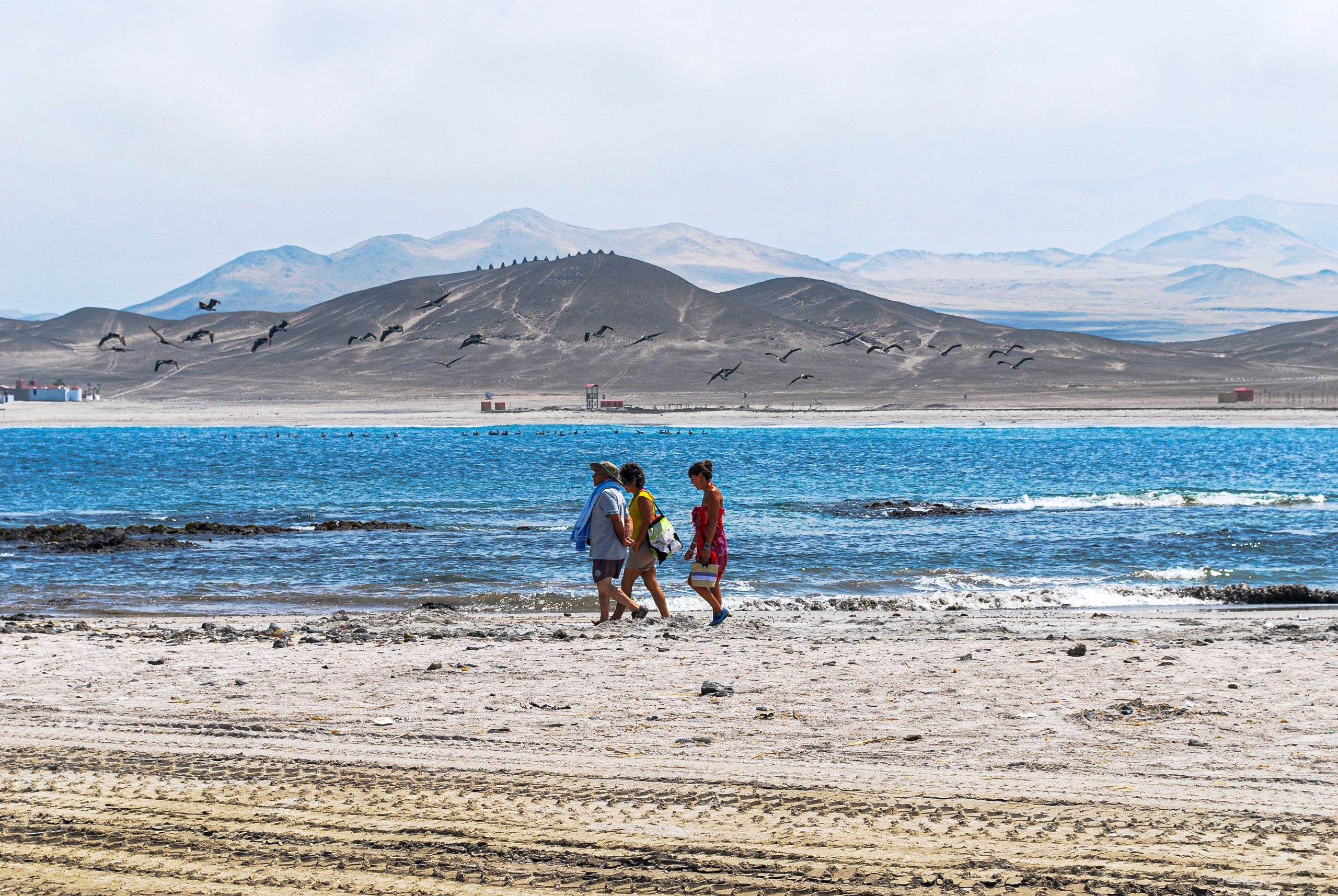
Today, we are witnessing a transformation in the way people travel. Exploring a destination is no longer limited to touring its main attractions or accumulating photographs; we increasingly seek to get closer to its culture, understand its dynamics, and connect with the people who bring it to life. Travel is starting to be valued not only for the places we visit, but for the experiences we live and what we take away from them. According to The Latam Experiences Traveler report—conducted by Arival and Phocuswright in collaboration with Civitatis—this shift in traveler expectations explains why experiential tourism is establishing itself as one of the key drivers of travel in Latin America, a region where cultural richness and biodiversity offer countless opportunities to discover each destination from a closer, more authentic perspective. From an analytical and business standpoint, this shift responds to a market demand to move beyond generic offerings. In an environment saturated with standardized options, the value proposition for operators, hotel chains, and travel agents no longer rests solely on physical infrastructure or traditional amenities. The competitive edge has shifted toward the ability to curate memorable experiences: from culinary workshops using local ingredients to guided tours led by residents of the

How organic wine went from a niche to market leader
Over time, I have come to realize that real market transformations usually happen in tandem with consumers. They occur when consumer priorities shift quietly yet firmly, forcing an entire value chain to redefine its rules of the game. For decades, the wine industry measured its success through volume, scale, and the ability to standardize flavor across millions of bottles. Today, however, we are witnessing a profound restructuring where authenticity, origin, and respect for the soil have ceased to be romantic rhetoric and become one of the most profitable facets of the sector. The interest in sustainable viticulture goes far beyond a simple marketing stance or an attribute reserved for boutique wineries. It has consolidated into a large-scale financial movement. Market research on the organic wine sector confirms sustained growth, positioning the category as one of the most dynamic commercial drivers within premium beverage consumption. What I find fascinating about this phenomenon is not just the agronomic sophistication it requires—such as eliminating synthetic sulfates, pesticides, and chemical fertilizers—but the reconfiguration of demand. Contemporary consumers seek transparency. They demand to know exactly what is in their glass and the impact that producing that liquid had on the land where it originated. This pursuit has driven