

Wineries that become tourist destinations
Wine tourism is no longer an experience reserved for experts. Today, thousands of travelers —myself included— look for something beyond a perfectly poured glass: we want to feel the place, meet the people behind each label, and sense how the landscape blends with the wine born from it. I find it fascinating how wineries have evolved from production sites into true travel destinations. In them, wine meets architecture, art, wellness, and gastronomy, creating experiences that stay with you long after the visit. According to the World Tourism Organization, wine tourism is growing at more than 12% per year, driven by those seeking authenticity, connection, and sustainability. Europe: Where Wine and Art Meet Europe remains the starting point of this trend. In Spain, Marqués de Riscal in La Rioja blends history and modernity —its Frank Gehry–designed building looks like a sculpture floating among the vineyards. In Italy, Antinori nel Chianti Classico feels like an underground work of art, where family, architecture, and tradition come together in a single experience. And in France, Château Smith Haut Lafitte takes the concept even further with vinotherapy spas and tours that connect nature, wellness, and wine. What’s most interesting is how these wineries are redefining luxury. It’s no longer
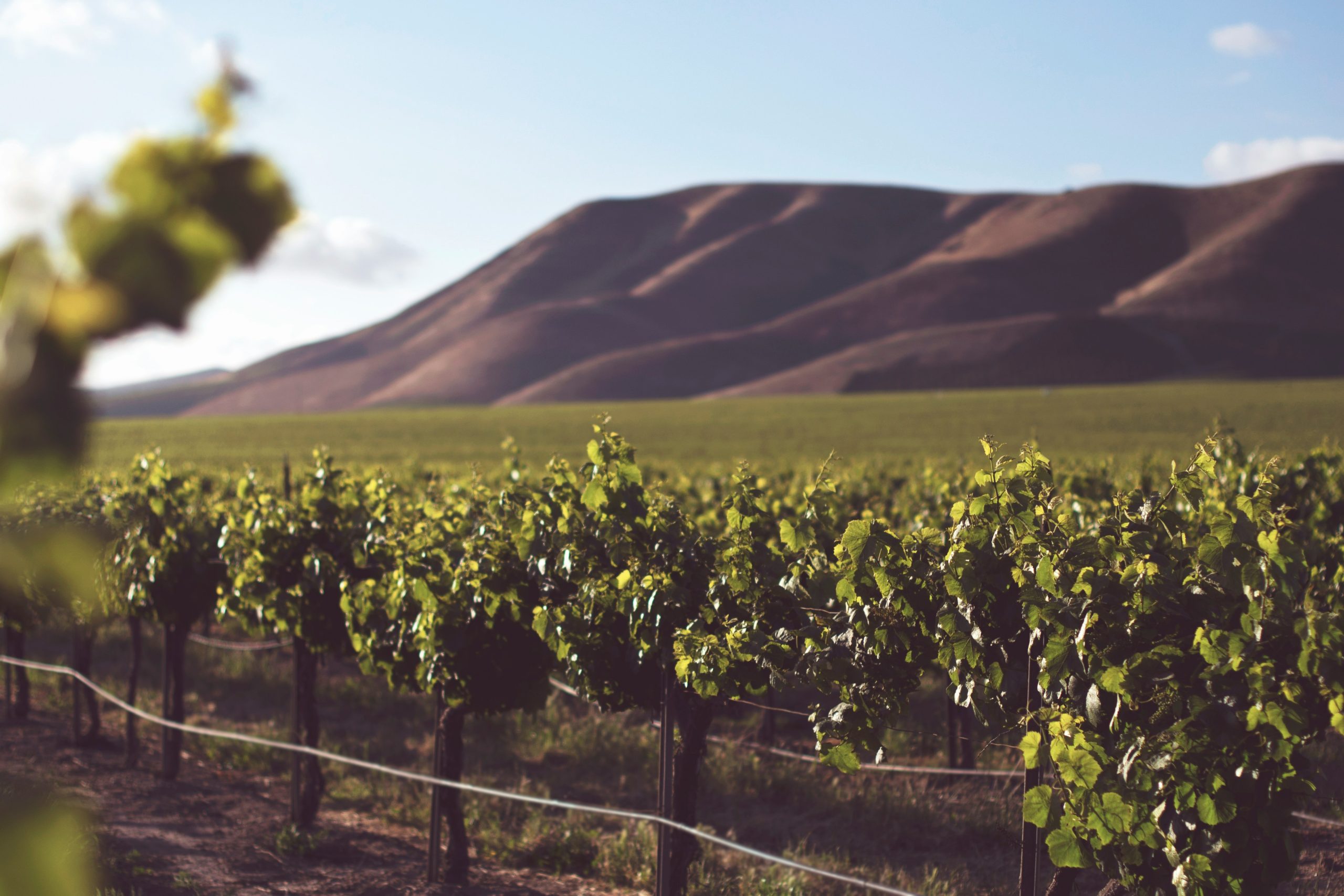
Spain as an Invaluable Enotourism Destination
Among Spain's many tourist attractions, its vineyards stand out as true gems. This was recently reaffirmed with the recognition of the Marqués de Riscal winery, awarded as the World’s Best Vineyard 2024. Enotourism in Spain has seen remarkable growth in recent years, leaving a significant mark on both its economy and culture. According to a report by SEGITTUR, Spain is home to the largest vineyard in the world, ranks as the third-largest global wine producer, and leads as the top exporter by volume. This sector plays a crucial role in employment and cultural identity, accounting for 2.2% of the national Gross Value Added (GVA) and generating approximately 425,000 jobs. Spain has successfully capitalized on these trends, drawing wine lovers and tasting enthusiasts alike. Initiatives such as Wine Routes and specialized fairs have been instrumental in diversifying and promoting enotourism, attracting millions of visitors annually.