

Connections, Trends, and Opportunities: How to Make the Most of Global Tourism Events
Traveling and discovering new destinations is exciting, but being at a global tourism fair means experiencing the very heart of the industry. It is stepping into a space where cultures, innovation, and business intersect in real time. In other words, it is a “world marketplace” where everyone speaks the same language: the language of travel and experiences. For those of us who invest in and believe in tourism as a driver of development, these events are not optional—they are essential gatherings to connect, learn, and open doors that turn projects into realities. Attending these international fairs brings benefits that go far beyond a business card. They allow you to create high-value connections with tour operators, investors, tech providers, and destinations from around the globe. They also give you international visibility by positioning your brand in front of specialized media and strategic buyers. Most importantly, they provide the chance to stay up to date with the trends reshaping the industry, from regenerative tourism to digitalization, artificial intelligence, and immersive experiences. Among the most relevant events are FITUR (Madrid), a major meeting point for the Spanish-speaking and European markets; ITB Berlin, the largest and most global fair in terms of exhibitors; WTM London, a
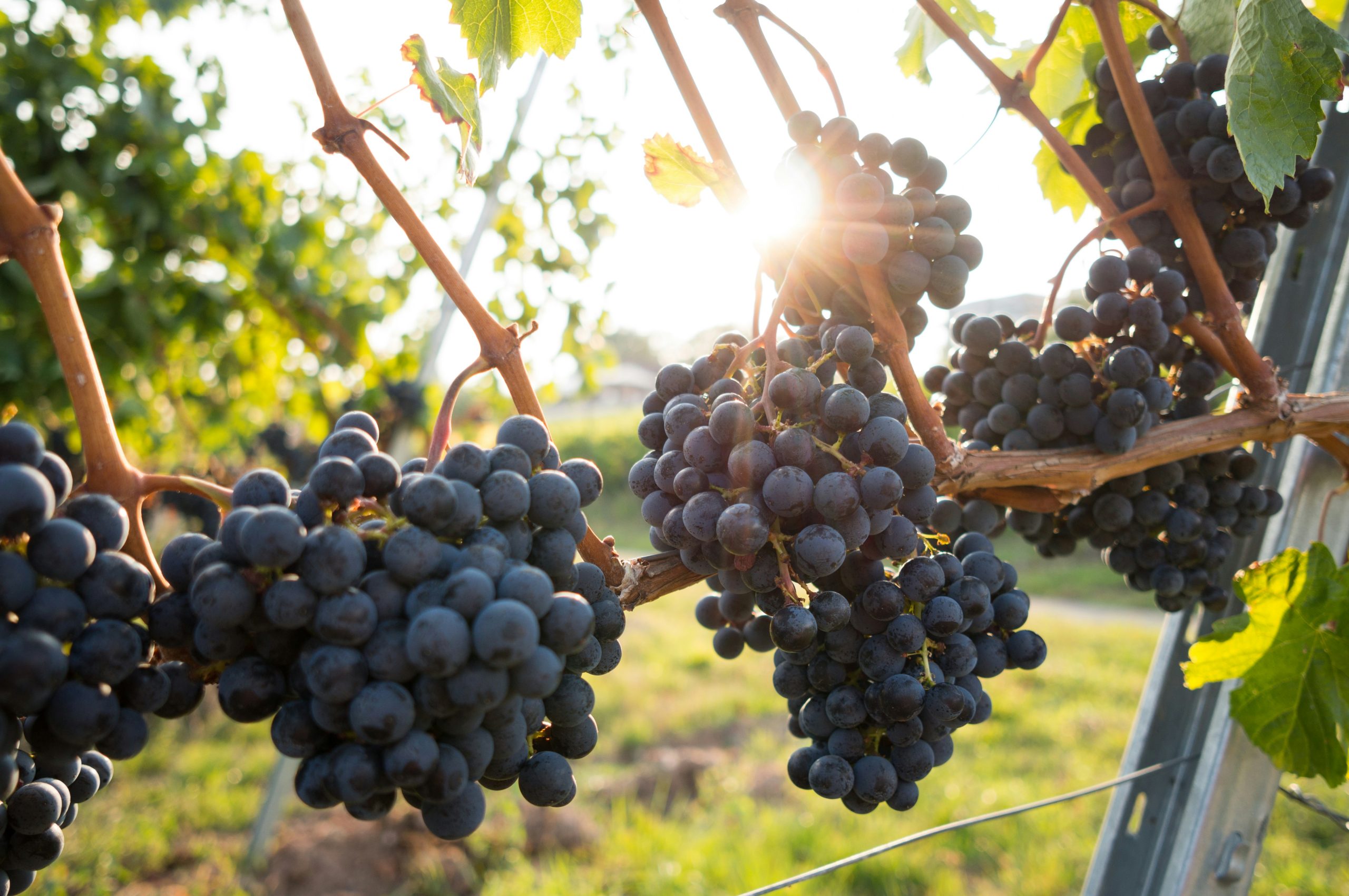
New Trends Shaping the Future of Wine in 2025
Few industries carry as much cultural legacy as wine, and few are evolving as rapidly. In 2025, wine is undergoing a major transformation. It's becoming more than a beverage; it’s turning into an expression of values: authenticity, wellness, sustainability, and connection. This shift isn’t being driven by the wineries, but by the consumer, increasingly conscious of their impact and surroundings, and now setting the pace for the entire industry. After carefully reviewing the key takeaways from Barcelona Wine Week 2025, here are some of the most important insights: The pursuit of natural wine demands changes in the vineyard and the cellar The growing interest in natural, low-intervention wines is pushing producers to rethink agricultural practices, minimize additives, and embrace greater technical risks. Winemaking without additives isn’t easier, it’s more complex. Wineries pursuing this path must invest in training, tighten hygiene protocols, and learn to work with variability as a natural part of the process. The rise of low-alcohol wine fuels demand for tech innovation Younger consumers are driving demand for healthier, more natural products, including low, or no-alcohol wines. Meeting that demand requires heavy investment in advanced technologies such as vacuum distillation, reverse osmosis, and controlled fermentation. Not every winery can adapt quickly, opening the

The Impact of Artificial Intelligence on Hospitality
Tourism and hospitality are not only global economic drivers, expected to represent approximately 10.3% of the world’s GDP by 2025, according to the World Travel & Tourism Council, they are also epicenters of innovation, luxury, and personalized experiences that shape brand and destination positioning. In such a competitive landscape, where every country aims to become top of mind, artificial intelligence (AI) is emerging as a key strategic differentiator. Beyond the now-familiar chatbots, AI is revolutionizing hotel operations through predictive maintenance, inventory control, energy efficiency, and real-time security management, just the tip of the iceberg. What’s compelling is that this evolution isn’t solely driven by brand vision, but also by growing guest expectations. In the luxury hotel segment, often the first to embrace new technologies, it’s expected that 70% to 80% will integrate AI-powered solutions. These go beyond 24/7 multilingual virtual assistants to include smart rooms with voice controls, hyper-personalized experiences, and concierge platforms capable of anticipating guest needs with impressive accuracy. One example is the NH Collection Barcelona Gran Hotel Calderón, which is working on using voice assistants like Alexa to elevate guest-service interactions to new heights. Similarly, Miami International Airport is rolling out the RouteMe app, designed to enhance accessibility and reduce
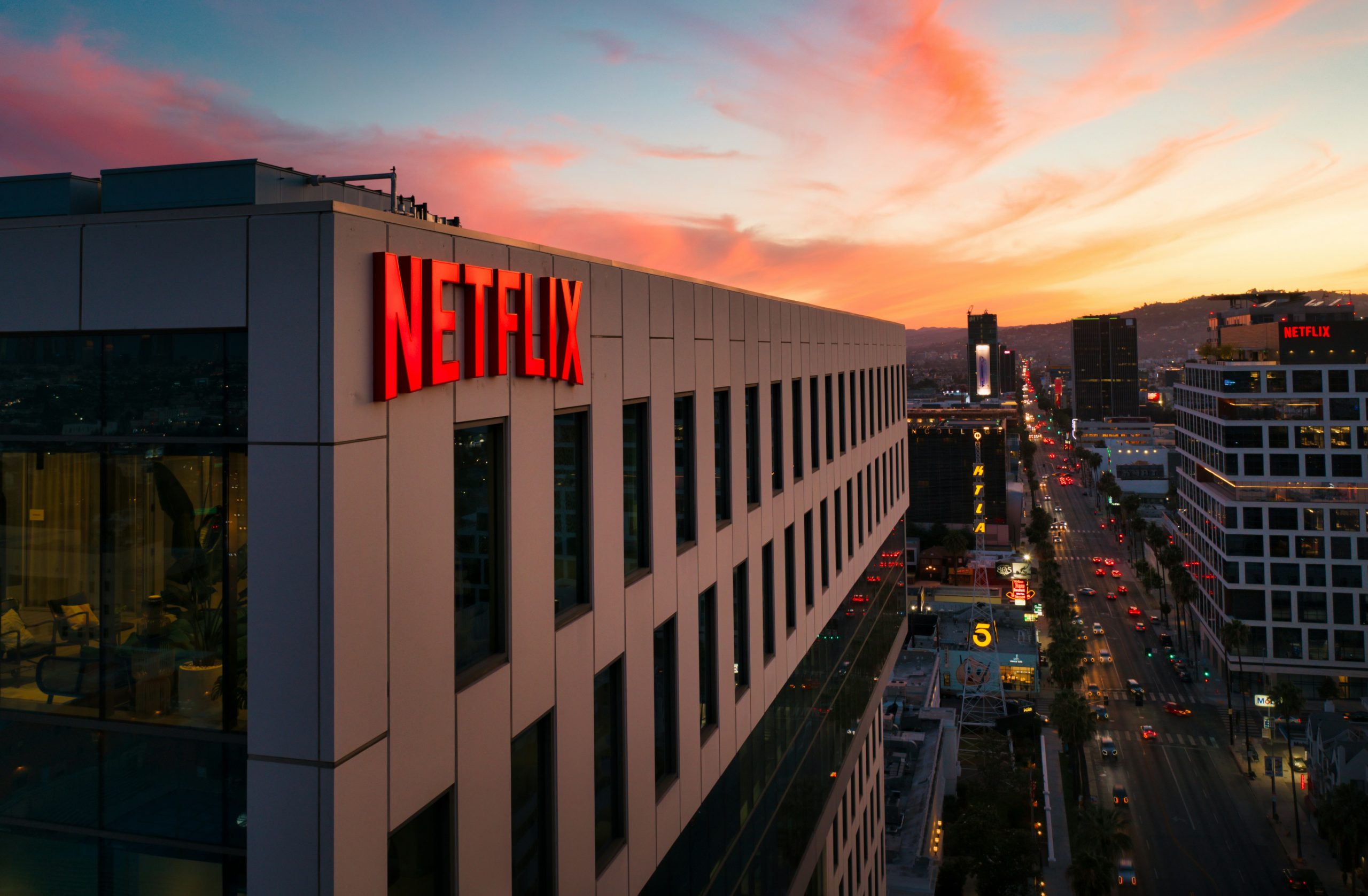
Going from streaming to the plate: diversifying a business through storytelling
In today's business environment, diversifying no longer just means launching a new product line or exploring a new geographic market. The most visionary brands are going further, venturing into completely different industries. To do so, they leverage one of their most powerful intangible assets, their narrative. As an investor, and with a special interest in the gastronomic universe, I find it exciting to observe how companies like Netflix and Disney are transforming their strategic expansion into something much more sophisticated. They are not opening simple restaurants, they are building living extensions of their narrative worlds, where food is not only consumed, but experienced. Rarely have I seen a bet as disruptive as Netflix Bites, and at the same time, as coherent as that of Disney, which has been perfecting multi-sensory immersion in every corner of its parks, resorts and cruise ships for decades. Undoubtedly, both brands are recognized for their global leadership in the world of entertainment. However, they have shown that they can also be benchmarks in the field of the dining experience. Today, success is not in the dish, but in what that dish represents. Today's consumer prioritizes experiences that arouse emotions, connect with a story and are memorable enough
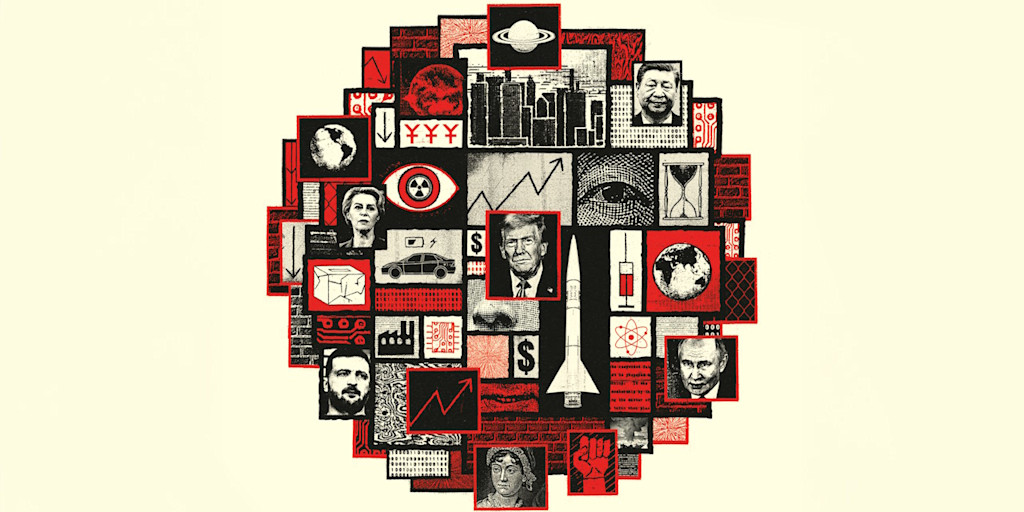
Global Trends on the Cover of The Economist 2025
Before delving into this topic, which I must admit excites me, I cannot help but mention that The Economist is a media outlet of Scottish origin, founded over 100 years ago (1843). Over time, like any other business, it has adapted and evolved in response to emerging trends. Today, it features dedicated sections on key countries like the United States and China and covers a wide range of topics, including technology, geopolitics, finance, and economics. It is renowned for its objectivity, editorial independence, and timeliness. Additionally, its distinctive covers also set it apart. Each year, The Economist releases its annual cover, which typically highlights global trends and topics of interest. These covers often focus on areas such as economics, politics, technology, and science, among other timely and relevant subjects. Undoubtedly, a significant part of the publication’s prestige stems from the accuracy of its predictions, which have garnered worldwide influence. Leaders, students, professionals, and others eagerly anticipate these covers, as they often highlight critical issues that set the tone for the year ahead. A notable example is the 2020 cover titled "The Next Catastrophe (and How to Survive It)", which was linked to the COVID-19 pandemic and its global impacts. These cover pages