
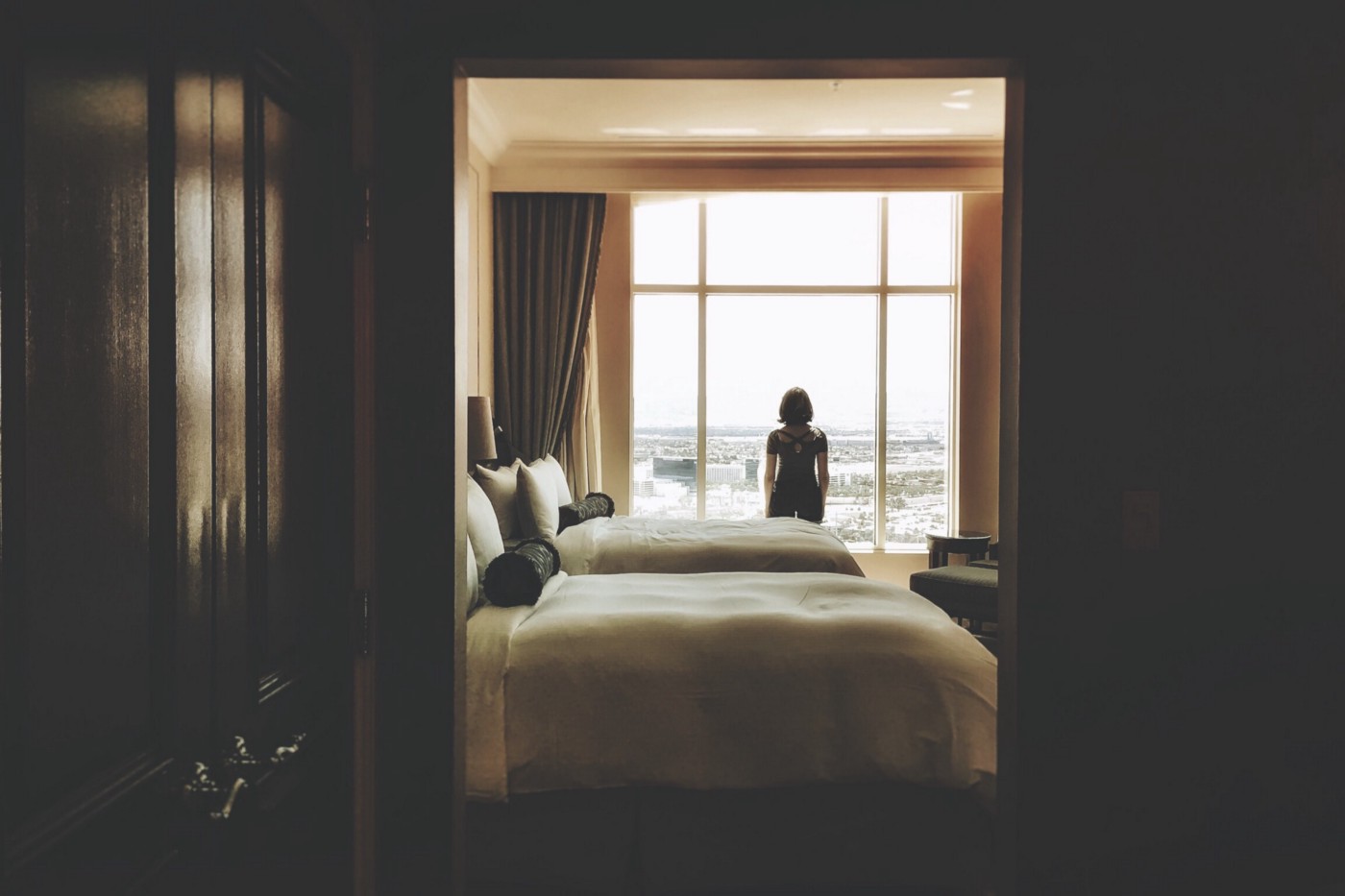
Be prepared for a very different guest experience
Although hospitality has its roots as far back as ancient Greece, the hotel industry is in for its most significant changes yet. Post-COVID, guests will want a touch-free experience, at check in, in the room and gym, and at check out.
Read more in my Medium Post, Hospitality: Present, Past, Future.
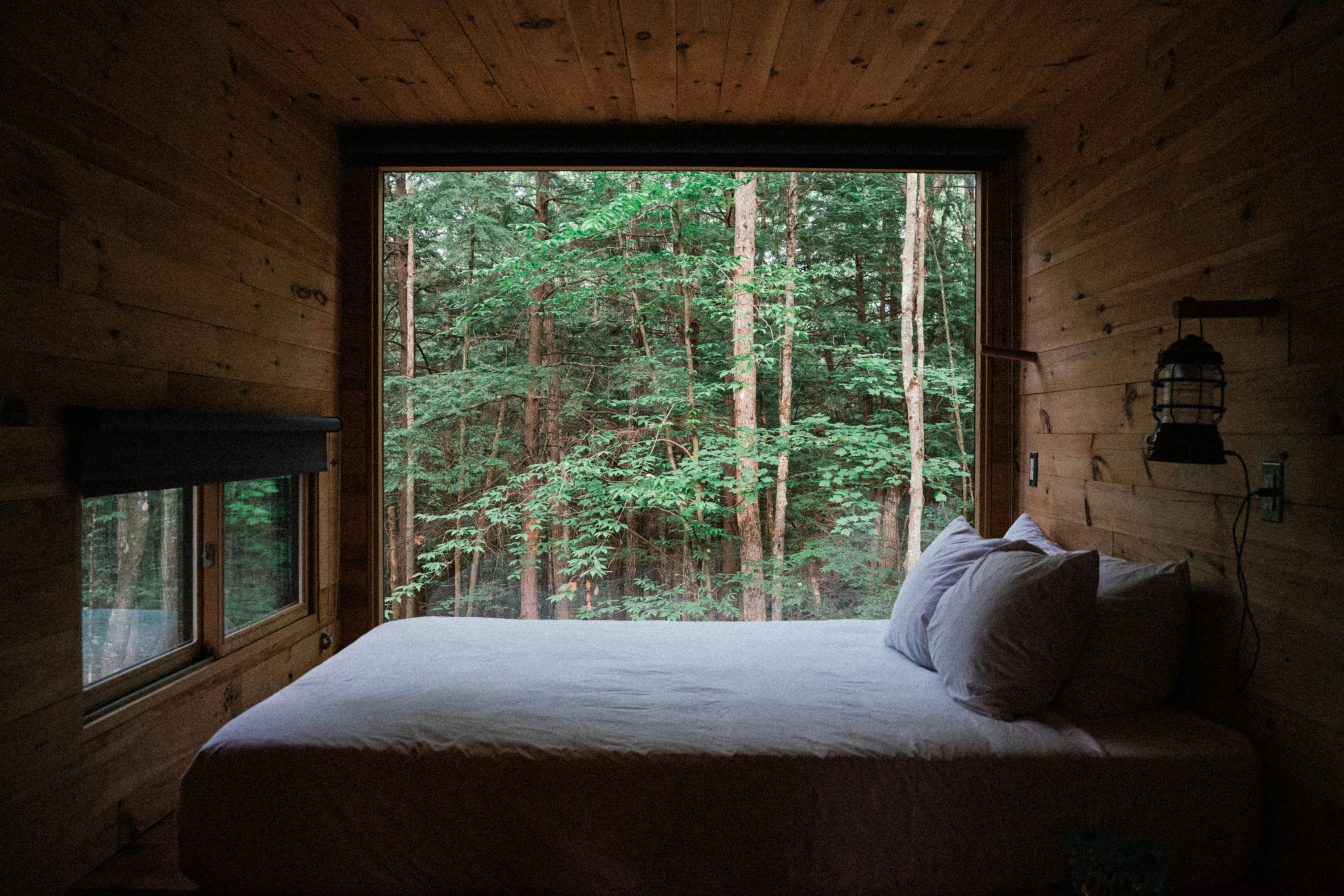
Tourism Where the True Luxury Is Being Disconnected
For decades, the high-end hospitality industry defined luxury as an accumulation of abundance. The more services added, the higher the rate: integrated touchscreens, ultra-high-speed connections, in-room automation, and technological availability that promised never to interrupt our productive lives. However, today's market is witnessing a reversal of that logic. Today we face a fascinating paradox: premium destinations are charging higher prices not for adding cutting-edge technology, but for the privilege of removing it. Over time, I have come to understand that attention has become the scarcest resource in the contemporary economy. Being constantly reachable ceased to be a professional advantage and turned into an indicator of operational servitude. In this context, true exclusivity is no longer measured by the number of megabytes per second you can access, but by the ability to pay so that no one can interrupt you. Coverage-free spaces, rooms without televisions, and forced disconnection have transformed into true status symbols. This dynamic is not an aesthetic whim of a nostalgic niche, but a rapidly expanding market. A study by the firm Dataintelo reveals that the digital detox tourism market is projected to reach 7.6 billion dollars by 2034, driven by digital fatigue and the search for mental breathing room.
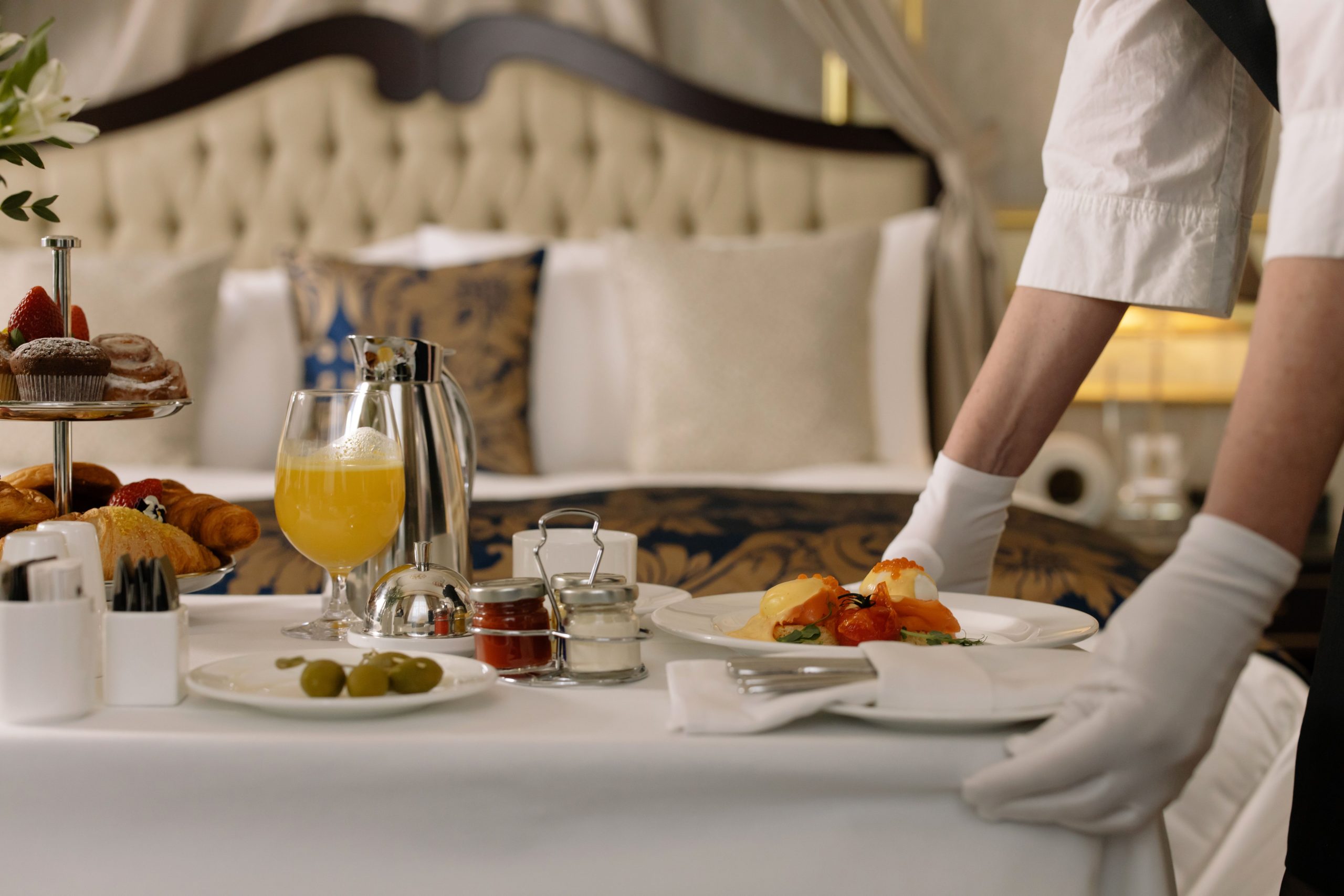
Why operational efficiency is the new luxury in hospitality
Over time, I have come to understand that true luxury in hospitality lies in the efficiency of the processes that exceed guest expectations. We have been trained to admire the surface: the lobby's marble, the infinity pool, or the designer furniture. However, in today's hotel business, this fixation on the facade is beginning to show its cracks. A resort can be a visual masterpiece, but if the service stumbles during delivery, if wait times fracture the experience, or if internal logistics are a silent chaos, the aesthetics become an empty promise. Today, the real profitability of premium projects is shifting toward the robustness of their digital infrastructure. Investing in automation and streamlining logistics is the most viable option to secure long-term financial sustainability and guest loyalty. The true differentiator is no longer just the decor; it is the commitment to automating and personalizing services for every single guest. Traditionally, tourism has suffered from an overemphasis on architecture and interior design. It is often assumed that the initial visual impact is enough to justify high rates. But the luxury guest in 2026 is more demanding and less prone to forgiving operational failures. A beautifully designed lobby is useless if the check-in process takes

Predictive Tourism: Anticipating the Traveler Before the Decision Is Made
Over time, I’ve come to understand that journeys don’t begin when we choose a destination. They start much earlier, in an unintentional search, in an image that lingers longer than expected, in a need we can’t yet explain. Traveling has never been just a practical decision; it has always been an emotional response. Today, that pre-travel stage is being observed more closely. And when we talk about predictive tourism, we are not referring to something distant or abstract, but to something that includes all of us who travel. It is about the ability to understand the traveler—me, you—before a ticket is even purchased. Not through assumptions, but through everyday gestures: the destinations we look at repeatedly, the places we save without booking, the types of trips we tend to repeat, the moments of the year when we seek inspiration. Without realizing it, we leave traces behind. On the other side, the tourism industry has begun to read those signals in order to make better decisions. Not to predict what we will do, but to organize options. Instead of showing everything, it learns to filter. To suggest fewer things, but more relevant ones. To sense whether we are seeking rest, movement, silence, or