
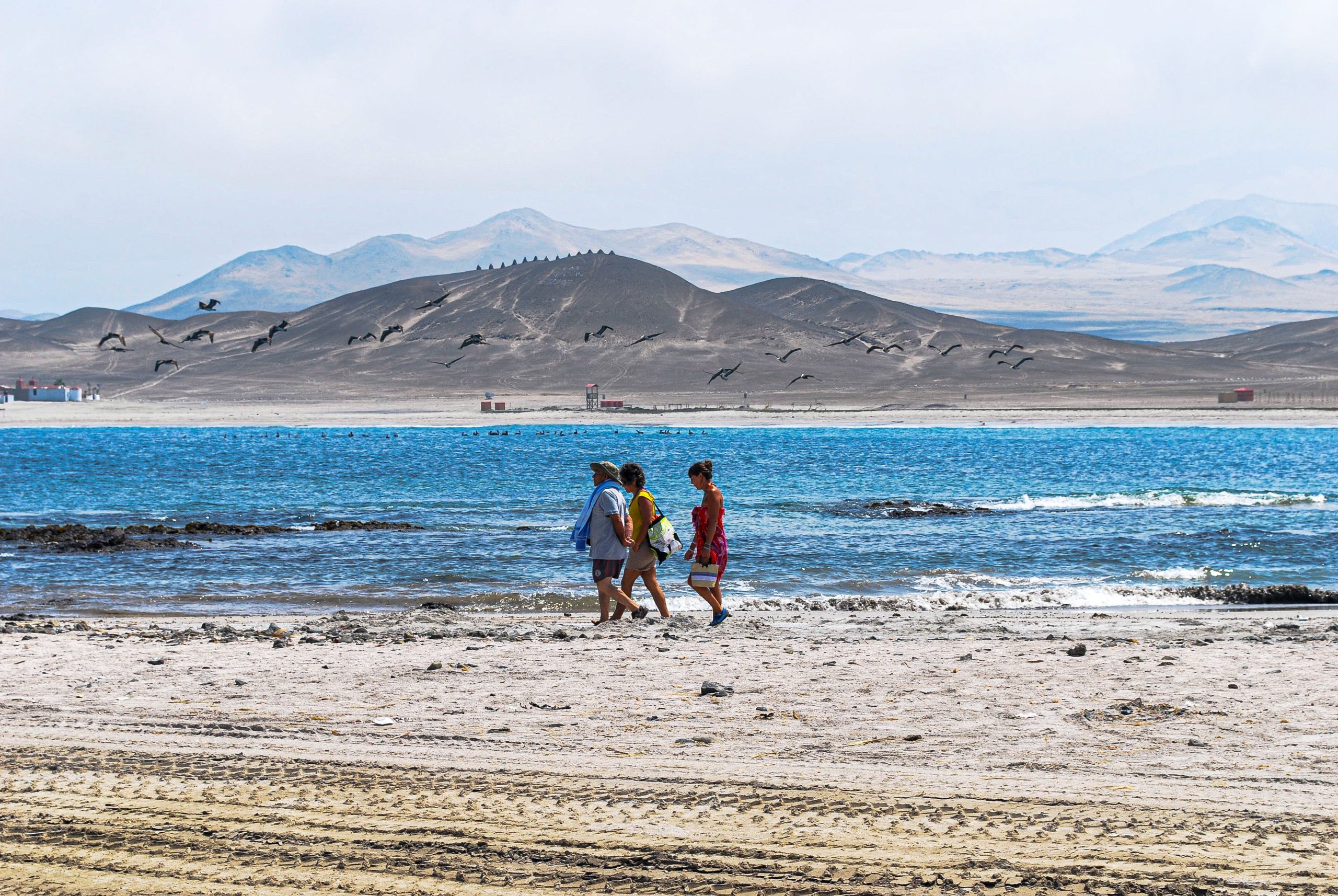
When travel becomes an experience
Today, we are witnessing a transformation in the way people travel. Exploring a destination is no longer limited to touring its main attractions or accumulating photographs; we increasingly seek to get closer to its culture, understand its dynamics, and connect with the people who bring it to life. Travel is starting to be valued not only for the places we visit, but for the experiences we live and what we take away from them. According to The Latam Experiences Traveler report—conducted by Arival and Phocuswright in collaboration with Civitatis—this shift in traveler expectations explains why experiential tourism is establishing itself as one of the key drivers of travel in Latin America, a region where cultural richness and biodiversity offer countless opportunities to discover each destination from a closer, more authentic perspective. From an analytical and business standpoint, this shift responds to a market demand to move beyond generic offerings. In an environment saturated with standardized options, the value proposition for operators, hotel chains, and travel agents no longer rests solely on physical infrastructure or traditional amenities. The competitive edge has shifted toward the ability to curate memorable experiences: from culinary workshops using local ingredients to guided tours led by residents of the

Predictive Tourism: Anticipating the Traveler Before the Decision Is Made
Over time, I’ve come to understand that journeys don’t begin when we choose a destination. They start much earlier, in an unintentional search, in an image that lingers longer than expected, in a need we can’t yet explain. Traveling has never been just a practical decision; it has always been an emotional response. Today, that pre-travel stage is being observed more closely. And when we talk about predictive tourism, we are not referring to something distant or abstract, but to something that includes all of us who travel. It is about the ability to understand the traveler—me, you—before a ticket is even purchased. Not through assumptions, but through everyday gestures: the destinations we look at repeatedly, the places we save without booking, the types of trips we tend to repeat, the moments of the year when we seek inspiration. Without realizing it, we leave traces behind. On the other side, the tourism industry has begun to read those signals in order to make better decisions. Not to predict what we will do, but to organize options. Instead of showing everything, it learns to filter. To suggest fewer things, but more relevant ones. To sense whether we are seeking rest, movement, silence, or