
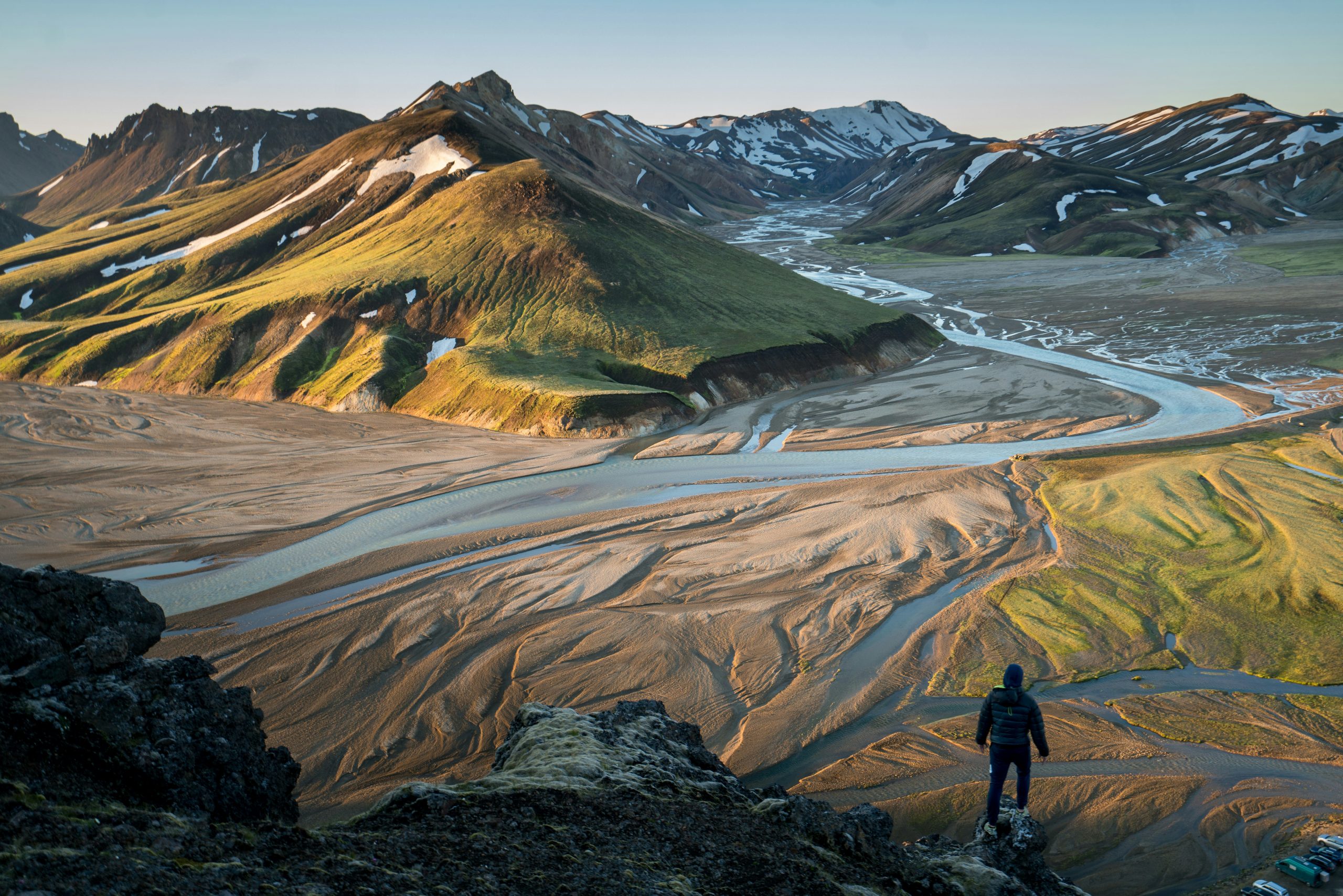
How climate change is rewriting the luxury traveler’s itinerary
There was a time when the prestige of a trip was measured by the immediacy of its recognition—being on the Amalfi Coast in August, in Santorini at sunset, or on the crowded beaches of Ibiza. Today, that model of the "viral destination" is beginning to show deep cracks. True status no longer seeks the overcrowded plaza; it seeks refuge. Overcrowding has drained the substance from iconic destinations, turning them into exhausting backdrops where the experience is diluted among crowds and cameras. Those seeking genuinely premium tourism are recalibrating their coordinates. As McKinsey & Company's The State of Tourism and Hospitality report points out, there is a structural and sustained shift away from the crowds. The study grounds a growing demand for deliberately secluded destinations—lesser-visited places that offer something money previously didn't need to buy: space, silence, and near-absolute privacy. Anticipating this need, the industry is already using predictive technologies to map the desires of a traveler longing for total disconnection. Yet privacy is not the only driver of this shift; the new geography of luxury is inexorably being dictated by the thermometer. Intense heatwaves punishing traditional destinations in Southern Europe and the Caribbean are driving what we might call "latitude tourism." Thermal