

Conscious Luxury: Entrepreneurship with Purpose in Times of Change
Over time, I’ve realized that luxury no longer means what I once believed. For decades, we assumed luxury was synonymous with exclusivity, rarity, and status — something found in the unattainable, in perfection, in pieces that only a few could possess. But today, in a world changing at a dizzying pace — environmentally, socially, and culturally — I’ve come to understand that true luxury is not measured in carats, labels, or window displays. For me, luxury has become something far more intimate: purpose, awareness, authenticity. A way of living and creating that blends elegance with ethics, aesthetics with sustainability, and desire with responsibility. I don’t see it as a trend or a “new segment,” but as a profound transformation in how we understand value. Perhaps that’s why it’s been so striking to witness how many people, brands, and projects are rethinking the industry from within. It’s no longer about producing more, but about producing with intention — valuing the story behind each piece, the hands that shape it, the impact it leaves behind. And this shift doesn’t originate only from companies; it comes above all from a more informed, more conscious consumer who wants to know who made what they buy, how

Capitalizing influence: entrepreneurs transforming their success into solutions for global challenges
Success in the business world can be measured not only in terms of growth and profitability but also in terms of the positive impact generated for society. Many entrepreneurs have demonstrated that entrepreneurship and philanthropy can go hand in hand, leveraging resources, knowledge, and influence to advance causes that benefit millions of people. A RESPONSIBILITY OF BUSINESS LEADERS In the corporate environment, successful entrepreneurs have strong capabilities for innovation, attracting investment, and mobilizing resources. Consequently, entrepreneurs have a privileged opportunity to address issues and generate significant changes beyond their businesses. Therefore, the true transcendence of an entrepreneur lies in their financial success and the legacy that he or she leaves behind through their impact on society. TRANSFORMING BUSINESS SUCCESS INTO SOCIAL IMPACT Leaders such as Oprah Winfrey, Michael Bloomberg, and Jeff Bezos have taken philanthropy to another level, using their influence and wealth to drive high-impact initiatives. Oprah Winfrey: Beyond her media career, Oprah has built a business empire that she has put at the service of philanthropy. Through the Oprah Winfrey Charitable Foundation, she has supported initiatives in education, humanitarian aid to victims of disasters, and women's and children's empowerment, proving that business success can be a means to transform lives. Michael Bloomberg: The
How to promote the orange economy in communities
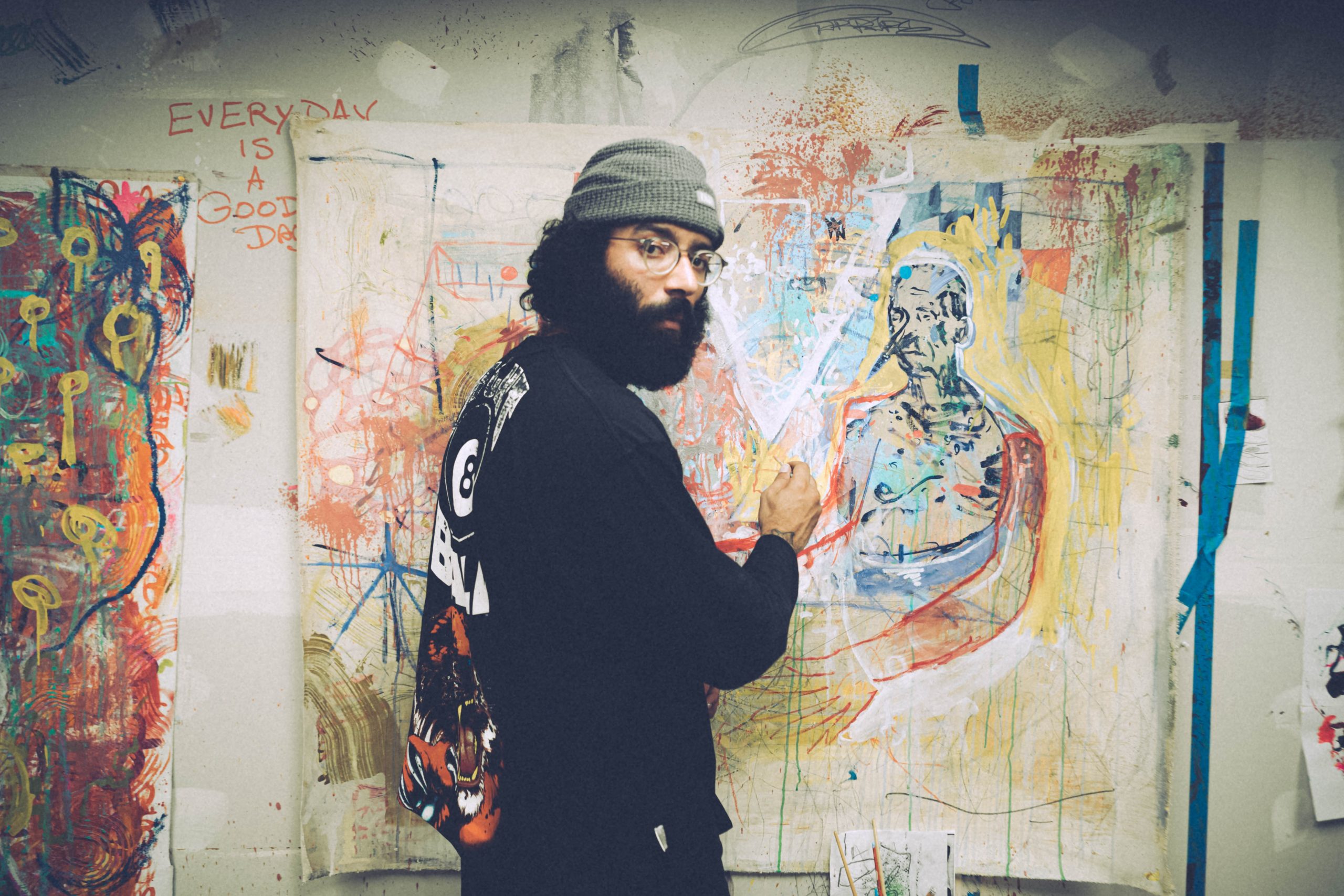
Have you ever wondered how to promote creativity and entrepreneurship in a sector that can transform the reality of a region? The answer lies in the fascinating and promising orange economy, a concept that is revolutionizing the way we see and approach economic and social development. But what exactly is the orange economy or creative economy? It is the set of economic activities based on creativity, culture and knowledge. Creativity and entrepreneurship are fundamental pillars of the orange economy and play a vital role in the development of communities. This time, I would like to present some examples of innovative projects so that you can be inspired, harness talent and transform it into a source of economic, social and cultural development. Pietà Project (Peru): It is a high-quality ecological urban clothing project, which is made by men and women from prisons in Lima. Prisoners who are part of this project can receive a reduction in their sentence and a percentage for the sales of the brand. Trash to Art (Brazil): This project transforms recyclable materials into works of art and unique products. Citizens collect and recycle materials such as plastic, glass, and paper to create sculptures, jewelry, and other art objects that are later