
How climate change is rewriting the luxury traveler’s itinerary
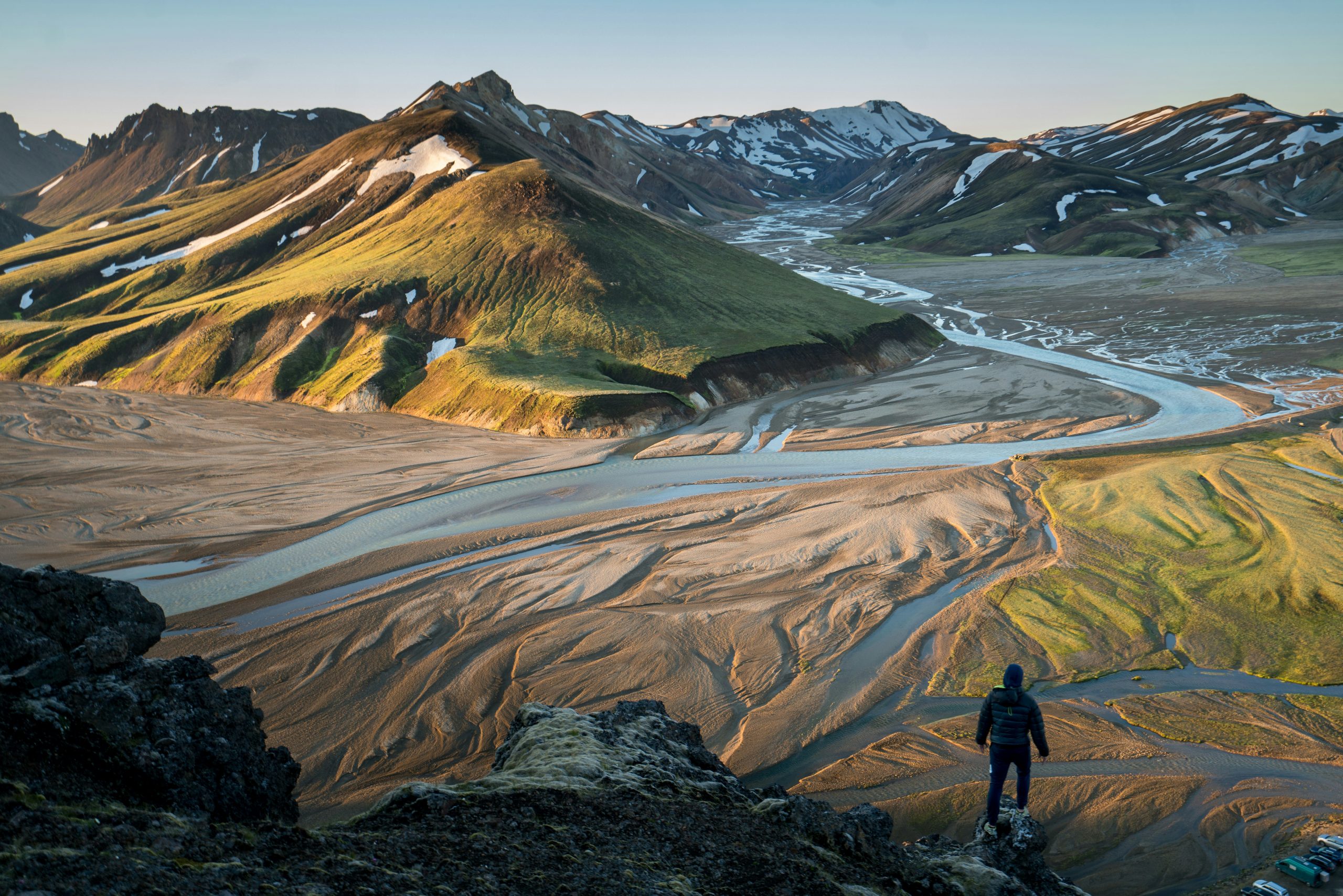
There was a time when the prestige of a trip was measured by the immediacy of its recognition—being on the Amalfi Coast in August, in Santorini at sunset, or on the crowded beaches of Ibiza. Today, that model of the "viral destination" is beginning to show deep cracks. True status no longer seeks the overcrowded plaza; it seeks refuge. Overcrowding has drained the substance from iconic destinations, turning them into exhausting backdrops where the experience is diluted among crowds and cameras. Those seeking genuinely premium tourism are recalibrating their coordinates. As McKinsey & Company's The State of Tourism and Hospitality report points out, there is a structural and sustained shift away from the crowds. The study grounds a growing demand for deliberately secluded destinations—lesser-visited places that offer something money previously didn't need to buy: space, silence, and near-absolute privacy. Anticipating this need, the industry is already using predictive technologies to map the desires of a traveler longing for total disconnection. Yet privacy is not the only driver of this shift; the new geography of luxury is inexorably being dictated by the thermometer. Intense heatwaves punishing traditional destinations in Southern Europe and the Caribbean are driving what we might call "latitude tourism." Thermal

Predictive Tourism: Anticipating the Traveler Before the Decision Is Made
Over time, I’ve come to understand that journeys don’t begin when we choose a destination. They start much earlier, in an unintentional search, in an image that lingers longer than expected, in a need we can’t yet explain. Traveling has never been just a practical decision; it has always been an emotional response. Today, that pre-travel stage is being observed more closely. And when we talk about predictive tourism, we are not referring to something distant or abstract, but to something that includes all of us who travel. It is about the ability to understand the traveler—me, you—before a ticket is even purchased. Not through assumptions, but through everyday gestures: the destinations we look at repeatedly, the places we save without booking, the types of trips we tend to repeat, the moments of the year when we seek inspiration. Without realizing it, we leave traces behind. On the other side, the tourism industry has begun to read those signals in order to make better decisions. Not to predict what we will do, but to organize options. Instead of showing everything, it learns to filter. To suggest fewer things, but more relevant ones. To sense whether we are seeking rest, movement, silence, or