

Sustainability Is No Longer About Reputation
For years, many companies built narratives around sustainability before asking themselves whether their operations were truly sustainable in the long term. And perhaps that was one of the biggest misconceptions in the corporate world: treating sustainability as a reputational exercise when, in reality, it was always a matter of business survival. For a long time, the concept became trapped between emotional campaigns, reports filled with green metrics, and narratives designed to communicate purpose. But the real conversation was never about how to communicate sustainability. It was about how prepared an organization was to remain efficient, profitable, and relevant in an increasingly unstable environment. Because integrating sustainability is not simply about “looking responsible.” It is about operating better. When a company reduces waste, redesigns its logistics, or decreases its energy dependence, it is not engaging in environmental philanthropy. It is strengthening its operational structure, protecting margins, and reducing vulnerabilities in the face of external crises. In fact, many of the decisions companies now present as sustainability initiatives were originally driven by the need to operate more efficiently. The transition toward renewable energy, for example, is not solely the result of environmental concerns. It also reflects the search for greater independence from fossil fuel volatility and geopolitical
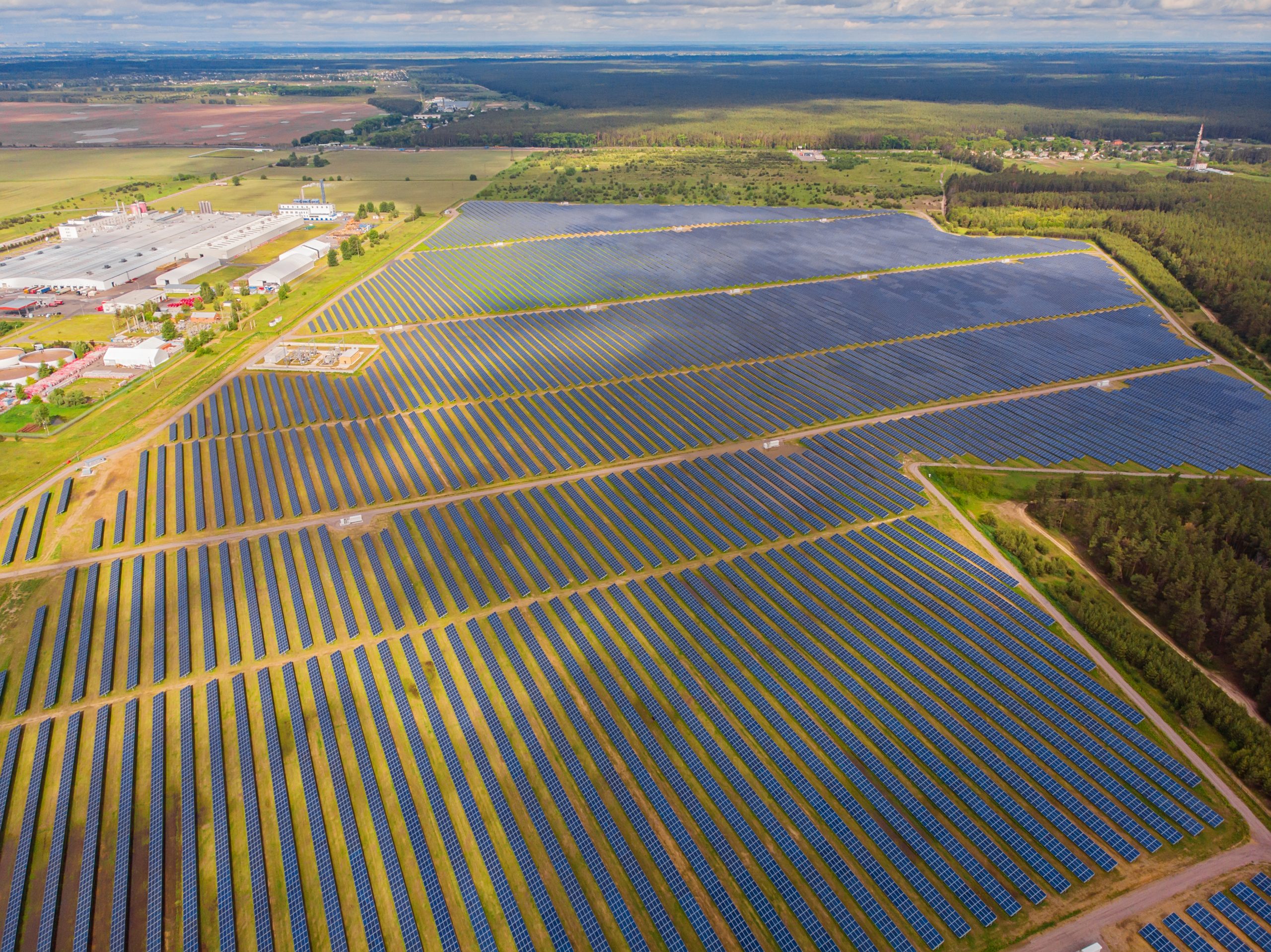
The Revenge of the Tangible: Why Smart Capital is Returning to the Land
For years, we believed the future would be entirely digital. Apps, cryptocurrencies, startups, and intangible assets dominated the conversation, reinforcing the idea that value could exist independently from the physical world. However, the current context is forcing a reassessment of that narrative. After a decade of “digital intoxication,” the market is entering a more sober phase—one where the tangible is regaining relevance. But there is an important clarification to make: when we talk about “land,” we are not simply referring to real estate or agriculture. We are talking about something more fundamental. Land is the physical layer on which the economy operates—where energy is produced, logistics move, industries develop, and increasingly, where digital infrastructure is sustained. It is, ultimately, the foundation upon which everything else depends. In an environment shaped by geopolitical and economic volatility, this becomes evident again. Software can be replicated at near-zero cost, but land remains finite. That distinction, which once seemed secondary during the peak of technological optimism, is now becoming a defining factor for those making long-term strategic decisions. Investing in land, under this lens, is neither conservative nor nostalgic. It is a pragmatic reading of how the real economy works. Unlike digital assets or fiat currency, land

The Rise of Sustainable Business Models: Opportunities for Investors and Entrepreneurs
In a world increasingly aware of sustainability, business models that integrate environmental, social, and governance (ESG) criteria are gaining advance and transforming the dynamics of the global market. From energy efficiency to eco-design, these models are proving that it is possible to be profitable while contributing to a more sustainable future. For entrepreneurs and investors, this trend represents a unique window of opportunity to grow and stand out. During 2024, regulatory advancements and shifts in consumer expectations have accelerated the adoption of sustainable practices. According to the United Nations Global Compact, companies are placing sustainability at the core to comply with new regulations and attract consumers who are increasingly interested in responsible brands. This trend has created an ecosystem where sustainability is not merely an “added value” but a starting point for innovation and competitiveness. For investors, sustainable business models offer attractive investment opportunities. The demand for sustainable projects in key sectors, such as renewable energy, has boosted the market value of these companies. Additionally, thanks to technological advancements, it is now easier for companies to monitor and reduce their environmental impact, which attracts even more capital to the sector. On the other hand, there is renewable Energy, the energy transition continues to accelerate,