
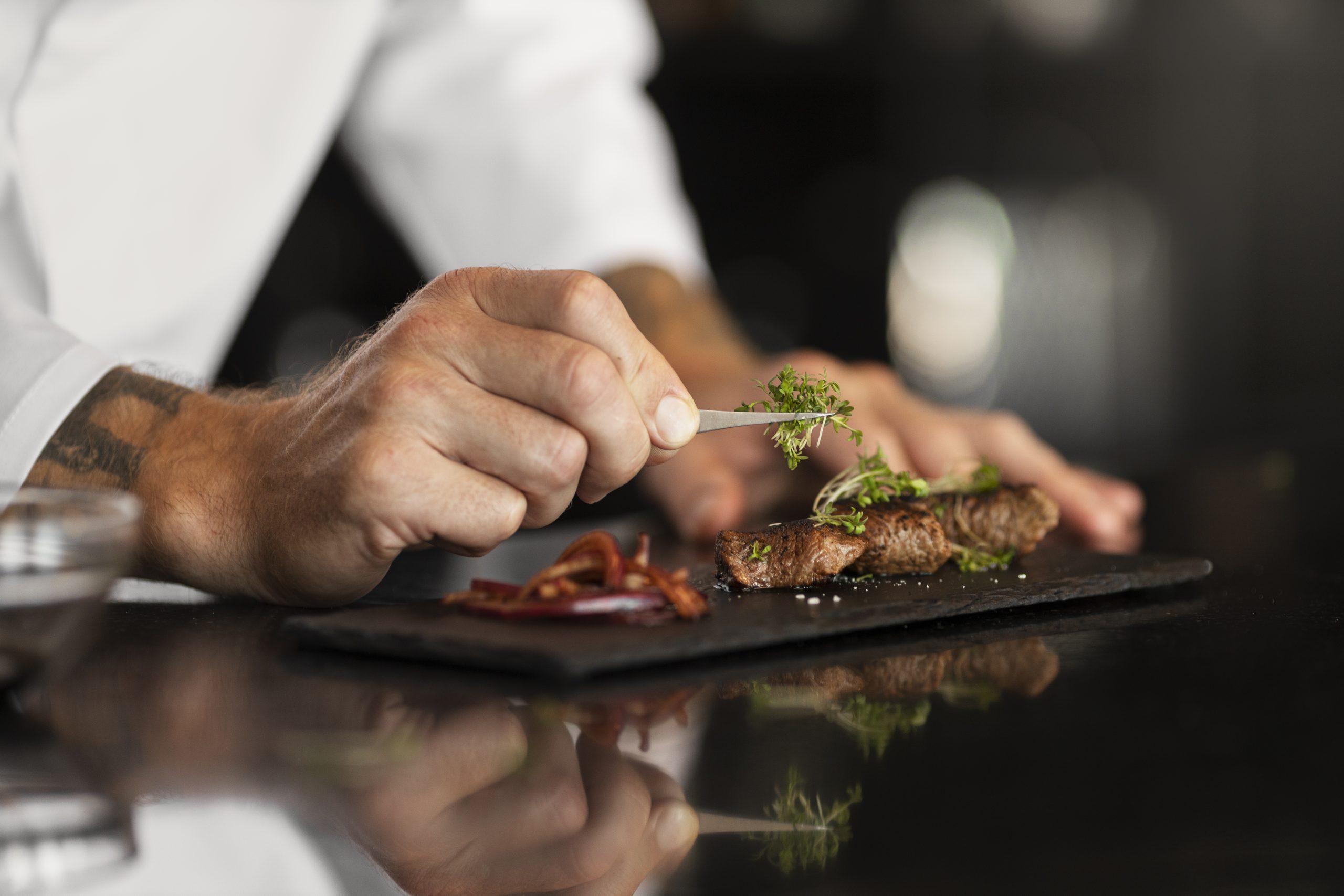
The legacy of the gesture: why culinary mastery is an act of generosity
In haute cuisine, true power does not lie in what a chef keeps, but in what they choose to share. Generosity —not as a superficial gesture, but as the willingness to transfer judgment, intuition, and a way of thinking— is, in my view, a chef’s most valuable asset. A chef can master technique, build a strong brand, and even achieve global recognition. But if that knowledge is not passed on, if it does not become a form of inheritance, its impact is limited. Excellence that is not shared fades; excellence that is taught multiplies. That is where legacy truly begins. The case of Alain Ducasse illustrates this clearly. From the Louis XV restaurant in Monaco, he not only built a benchmark culinary proposition, but also trained generations of chefs who now lead kitchens around the world. His influence lies not only in his restaurants, but in his ability to identify talent, develop it, and, above all, trust it. That trust is a concrete form of generosity: delegating without lowering standards. A similar approach can be seen in Ferran Adrià at El Bulli, Spain. Beyond the techniques that revolutionized gastronomy, his greatest contribution was teaching people how to think. He introduced a methodology based